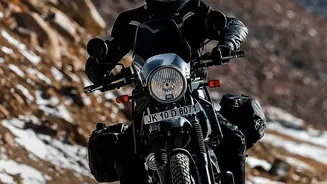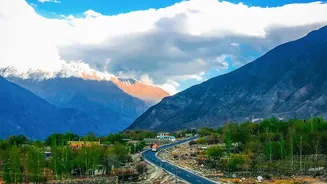




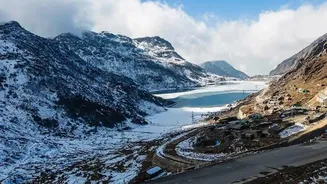
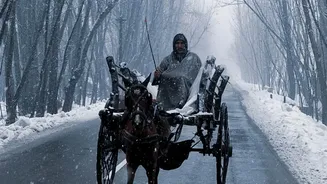
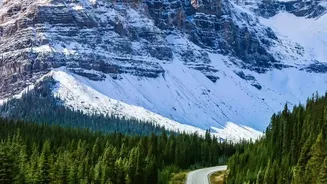
There’s a unique magic to a winter road trip in India. The crisp air, misty mornings, and thinner crowds create an entirely different travel experience. It’s a chance to see familiar landscapes transformed and discover new ones at your own pace.
Choose Your Winter Canvas
India's
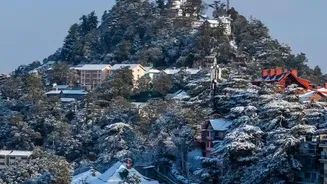
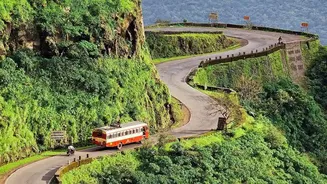
diverse geography offers a winter road trip for every preference. For snow lovers, the routes from Chandigarh to Manali or Shimla to Narkanda in Himachal Pradesh are classic choices, offering stunning views of snow-dusted pines and valleys. Be prepared for potential road closures and slippery conditions past Manali. If you prefer golden sunshine and heritage, a drive through Rajasthan from Jaipur to Jaisalmer offers pleasant weather and majestic forts against a desert backdrop. For a different vibe, the coastal Konkan highway from Mumbai to Goa provides cool sea breezes and lush scenery, while the drive from Kochi to Munnar in Kerala is famous for misty tea gardens and comfortable daytime weather.
Prepare Your Vehicle for the Cold
Before you begin your journey, a thorough vehicle check is non-negotiable. Cold weather can be tough on cars. Start with the battery, as low temperatures can reduce its efficiency and make it harder to start your car. Check your tyres for adequate tread depth and ensure they are properly inflated, as pressure can drop in the cold. Using all-season or winter tyres is recommended for better grip on icy roads. Also, inspect all fluids, including engine oil, coolant with the correct antifreeze ratio, and windshield washer fluid. Finally, test all your lights—headlights, tail-lights, and especially fog lamps, which are crucial for low-visibility conditions.
The Art of Smart Packing
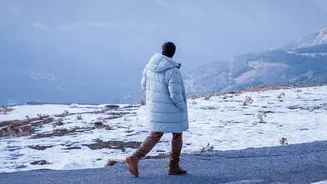
Packing for a winter trip is about more than just a heavy jacket. Layering is key. Pack thermals, woollen sweaters, and a waterproof outer jacket that can handle rain or snow. Don't forget accessories like gloves, scarves, and warm socks. Sturdy, waterproof shoes are essential, especially if you plan on walking through snow or on wet terrain. Beyond clothing, your packing list should include a first-aid kit, a torch, a power bank for your devices, and some nonperishable snacks and water. It's also wise to have an emergency car kit with essentials like a reflective warning triangle and a basic toolkit.
Navigating Winter Road Hazards
Winter driving presents unique challenges, particularly fog and ice. Dense fog is a major hazard on North Indian highways. In such conditions, slow down significantly and use your lowbeam headlights and fog lamps; high beams reflect off the fog and reduce visibility further. Maintain a much larger following distance from the vehicle ahead—at least a 6–8 second gap. Avoid relying on another car's tail lights to guide you and instead use road markings or reflectors. On mountain roads, be cautious of black ice, especially on shaded bends. Drive with gentle inputs, avoiding sudden acceleration, braking, or sharp turns to maintain traction. If heading into heavy snow areas, carrying tyre chains and knowing how to install them is a critical safety measure.
Stay Flexible and Informed
A successful winter road trip requires flexibility. Weather in the mountains can be unpredictable, leading to sudden road closures. Always check the weather forecast and road conditions before and during your trip. Mobile network can be unreliable in remote areas, so download offline maps for your route beforehand. It's also a good practice to start your drives early in the morning to maximize daylight hours and avoid driving in fog or darkness. Most importantly, inform a friend or family member of your itinerary and expected arrival times. This simple step adds a layer of safety to your solo or group adventure.