







What Exactly Is the New Rule?
Effective October 1, 2026, petrol pumps across Delhi-NCR are required to deny fuel to any vehicle that does not have a valid and up-to-date PUC certificate. This applies to all types of vehicles, including two-wheelers, cars, and commercial vehicles running
on petrol, diesel, CNG, and LPG. The 'No PUC, No Fuel' policy is an initiative by the Commission for Air Quality Management (CAQM) to ensure that only vehicles compliant with emission norms are on the road, thereby curbing a major source of pollution ahead of the winter season when air quality typically deteriorates.
How Is It Being Enforced?
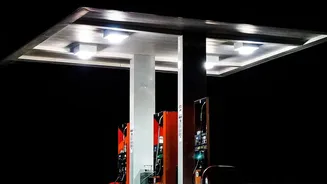
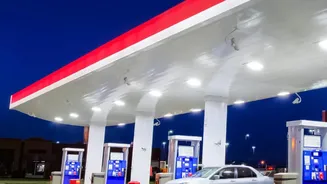
Enforcement relies heavily on technology. Around 500 fuel stations in Delhi have been equipped with Automatic Number Plate Recognition (ANPR) cameras. These cameras scan a vehicle's registration number upon entry and check it against the central Parivahan database in real-time. If the database shows an expired or invalid PUC, the system flags the vehicle, and fuel dispensers are not activated. In areas where ANPR cameras are not yet installed, petrol pump staff have been directed to manually verify the PUC status before refuelling.
Which Areas Are Covered?
While Delhi has had a version of this rule since late 2025, the new directive expands its strict enforcement across the entire National Capital Region. This includes Delhi and major adjoining districts in neighbouring states. The covered NCR districts in Uttar Pradesh are Gautam Buddh Nagar (Noida), Ghaziabad, Hapur, Bulandshahr, Meerut, Muzaffarnagar, Baghpat, and Shamli. The rule is also being strictly enforced in the NCR districts of Haryana. This unified approach aims to create a seamless enforcement zone, preventing non-compliant vehicles from simply refuelling in a different part of the region.
How to Get or Renew Your PUC
Getting a PUC certificate is a straightforward process. New vehicles come with a certificate that is valid for one year. For older vehicles, renewal is required periodically. You must take your vehicle to an authorised emission testing centre, many of which are located at petrol pumps and service workshops. A technician will perform an exhaust emission test. If your vehicle's emissions are within the prescribed limits, a certificate is issued on the spot. The process usually takes about 10-15 minutes. The cost in Delhi is approximately ₹80 for two-wheelers, ₹110 for petrol cars, and ₹140 for diesel cars. You can check your PUC status or download a digital copy from the official Parivahan portal.
Penalties for Non-Compliance
Aside from being denied fuel, driving without a valid PUC certificate carries significant financial and legal penalties under the Motor Vehicles Act. Vehicle owners caught on the road without a valid certificate can face a hefty fine of ₹10,000, imprisonment for up to six months, or both. Repeated offences can even lead to suspension of the driver's license for up to three months. It is also important to note that a valid PUC is often a prerequisite for renewing vehicle insurance, and an expired certificate could lead to claim rejection in case of an accident.
Are There Any Exceptions?
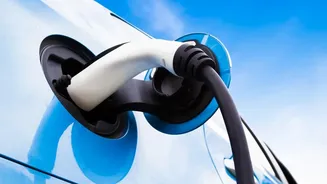
The rule applies to nearly all fuel-driven vehicles. The primary exception is for electric vehicles, which do not have tailpipe emissions and are therefore exempt from requiring a PUC certificate. Additionally, brand-new vehicles are exempt for the first year from their registration date. The CAQM has also allowed for exceptions in specific emergency situations, such as vehicles on law-and-order duty or involved in disaster response operations, but these do not apply to the general public for daily commuting.