



The Real Strawberries
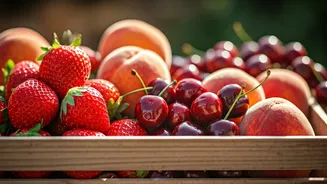
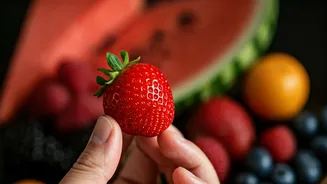
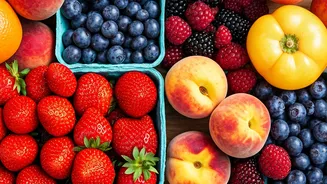
Forget the giant, watery strawberries that line supermarket shelves year-round. The ones you want are here now: smaller, fragrant, and ruby-red all the way through. True seasonal strawberries are a completely different fruit, bursting with a concentrated
sweetness and a hint of floral perfume. They have a notoriously short shelf life, which is precisely what makes them so special. **How to Pick:** Follow your nose. The best berries will smell intensely sweet and fragrant even before you’re standing right over the pint. Look for bright red fruit without any white or green shoulders around the stem. Size isn't a great indicator of flavor; often, the smaller berries pack the biggest punch. Check the bottom of the container for any signs of mold or mushiness, as one bad berry can spoil the bunch. **How to Use:** To preserve their delicate texture, don't wash them until just before you plan to eat them. They are perfect eaten fresh out of hand, sliced over yogurt or shortcakes, or muddled into a simple, refreshing lemonade.
Sweet & Sour Cherries
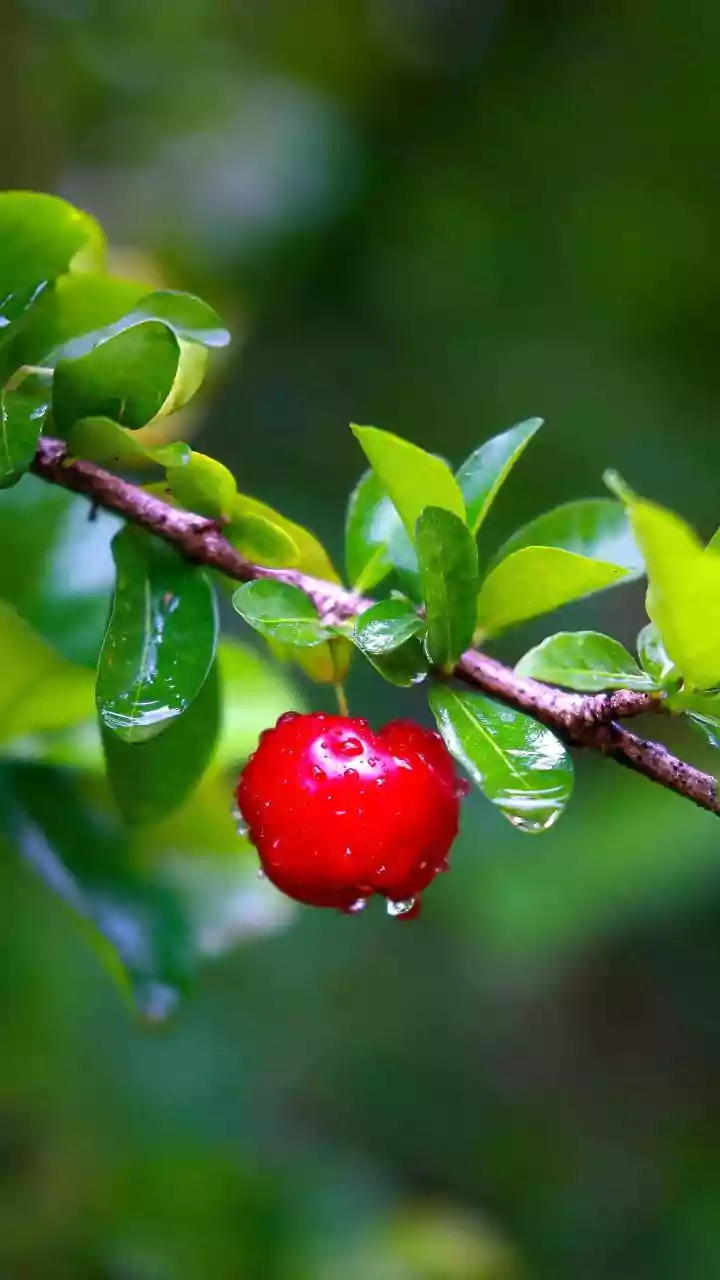
Cherry season is a fleeting, glorious window. Right now, you’ll find the first waves of sweet cherries, like the dark, juicy Bing or the beautifully bi-colored Rainier. These are the cherries for eating fresh, spitting pits with abandon. You might also spot their tart cousins, like Montmorency or Morello, which are brighter red, softer, and pack a puckery punch perfect for pies, jams, and sauces. **How to Pick:** Look for cherries that are plump, firm, and shiny, with their green stems still attached. A fresh stem is a good indicator that the cherry was picked recently. Avoid any that are wrinkled, bruised, or have lost their stems, as the hole left behind is an invitation for decay. For Bings, seek a deep mahogany color; for Rainiers, look for a creamy yellow with a pretty pink blush. **How to Use:** Store them in the refrigerator, unwashed, in a breathable bag. Wash them in cool water just before eating. Sweet cherries are a perfect snack, while a handful of tart cherries can be simmered down with a little sugar and water to make an incredible sauce for ice cream or roasted chicken.
Rhubarb, The Pie Plant
Often called the “pie plant,” rhubarb is technically a vegetable, but its tartness makes it the perfect fruity foil for sugar. Its celery-like stalks bring a vibrant, sour tang that cuts through richness and signals the true start of the baking season. Don't be tempted to eat the leaves; they are toxic and should be discarded immediately. The stalks, however, are a culinary delight. **How to Pick:** Look for firm, crisp stalks that are brightly colored. While some people swear by the redness of the stalk, color doesn't always correlate with sweetness; some of the greenest stalks can be perfectly tender. The main things to avoid are stalks that are limp, rubbery, or have blemishes. Thinner stalks are often more tender than very thick, woody ones. **How to Use:** Trim the ends and chop the stalks into one-inch pieces. Simmer them with strawberries, sugar, and a splash of orange juice to make a classic compote. It's also fantastic stewed on its own and served over Greek yogurt, or baked into muffins, scones, and, of course, pie.
Early-Season Blueberries
The first blueberries of the season are a true treat. These early arrivals are often a bit smaller and tarter than their mid-summer counterparts, with a concentrated flavor that’s perfect for baking. They haven't had months of storage or long-distance travel, so their flavor is bright and pure. **How to Pick:** Look for berries that are firm, plump, and uniform in color. The most important sign of freshness is the “bloom”—that dusty, silvery-white coating on the berry's skin. It’s a natural wax that protects the fruit and indicates it hasn't been handled excessively. Give the pint a gentle shake; the berries should move freely. If they clump together, it could be a sign of mold or moisture at the bottom. **How to Use:** Store blueberries in their original container in the fridge and, like strawberries, wash them only when you're ready to use them. This preserves their bloom and prevents them from becoming mushy. Toss a handful into pancake batter, sprinkle them on your morning oatmeal, or just eat them by the handful for a perfect seasonal snack.