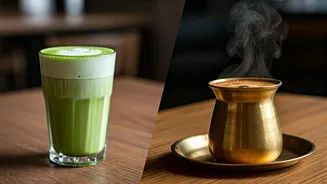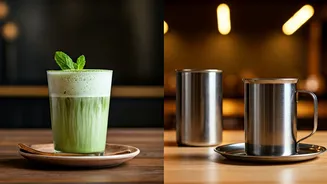





The Buzz: A Tale of Two Caffeines
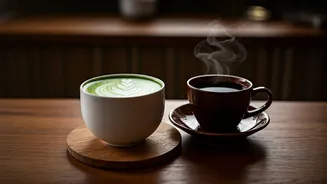
On paper, coffee seems to pack a bigger punch. A standard cup of filter coffee can contain 95 to 200 mg of caffeine, while a serving of matcha typically has between 60 to 90 mg. But the numbers don't tell the whole story. Coffee's caffeine hits your system
fast, leading to that familiar instant jolt, but it can also be followed by a sudden crash a few hours later. Matcha's energy release is fundamentally different. It contains a unique amino acid called L-theanine, which promotes relaxation and focus by increasing alpha waves in the brain. This compound works in synergy with caffeine, slowing its absorption and providing a sustained, jitter-free state of 'calm alertness' that can last for three to six hours. Many people who experience anxiety or jitters with coffee find matcha to be a much smoother ride.
The Health Halo: Antioxidants and More
Both drinks are lauded for their health benefits, but they bring different strengths to the table. Coffee is a rich source of polyphenols and chlorogenic acids, which are linked to a reduced risk of several diseases. Matcha, however, is an antioxidant powerhouse. Because you consume the entire ground leaf, you ingest a huge concentration of catechins, particularly epigallocatechin gallate (EGCG). Some studies suggest matcha can contain up to 137 times more antioxidants than regular green tea. EGCG is celebrated for its potential to protect against cell damage, reduce inflammation, and support heart health by helping to lower 'bad' LDL cholesterol. Furthermore, unlike coffee, matcha is known to improve oral health by fighting the bacteria that cause plaque and bad breath.
The Ritual: Mindful Prep vs. Morning Rush
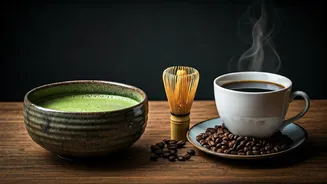
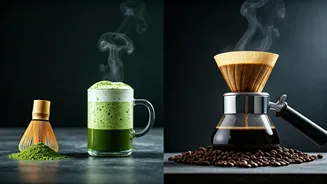
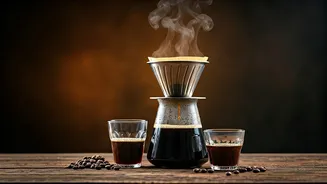
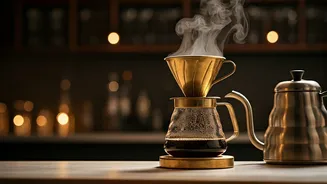
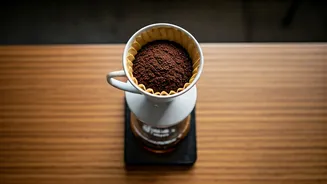
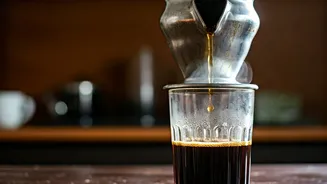
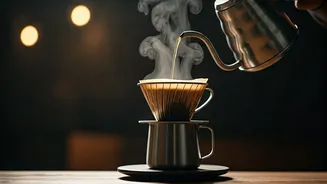
The experience of making each drink speaks volumes about the lifestyle it represents. Preparing filter coffee, whether through a South Indian filter, a French press, or an automatic drip machine, is often a streamlined process designed for efficiency. For many, it's a comforting but quick step in a busy morning routine. Making matcha, on the other hand, is a more deliberate and mindful ritual. The traditional Japanese method involves sifting the fine green powder into a bowl, adding hot water, and whisking it into a frothy consistency. This simple, hands-on process can be a meditative start to the day, forcing a moment of calm before the rush begins. While a great cup of coffee can require expensive equipment, a good bowl of matcha can be prepared with just a simple whisk.
The Indian Palate and Wallet
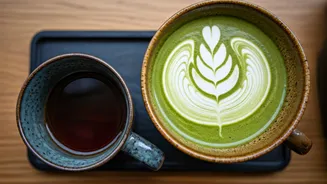
In India, the specialty coffee market is booming, with a growing appreciation for everything from traditional filter kaapi to international-style cold brews. At the same time, matcha is rapidly moving from a niche wellness trend to a mainstream café staple, with chains like Third Wave Coffee reporting matcha lattes as top sellers. Cost is a significant factor. Making filter coffee at home can cost between ₹15–30 per cup. A homemade cup using good quality culinary-grade matcha powder typically costs ₹25–50. The price difference is noticeable but not prohibitive for those who value matcha's unique benefits. However, the trap lies in cheap, fake matcha powders that offer none of the health benefits or flavour. For many, the premium for real, quality-tested matcha is a worthy investment in their well-being.