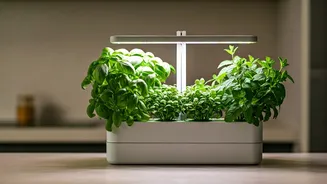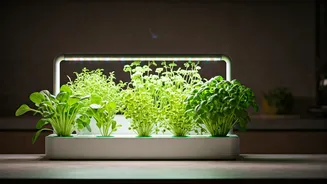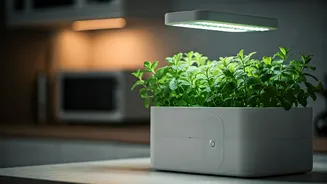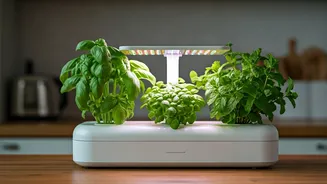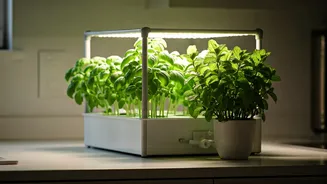




What is Hydroponic Micro Gardening?
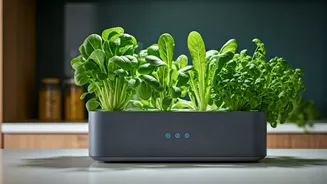
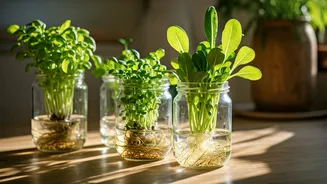
Don't let the technical name intimidate you. Hydroponics is simply the art of growing plants without soil. Instead of getting nutrients from the earth, plants receive them from a special nutrient-rich water solution. 'Micro gardening' just means you’re
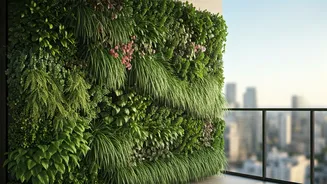
doing it on a small, manageable scale—perfect for a windowsill, balcony, or a small corner of your kitchen. This method is clean, efficient, and allows you to control exactly what your plants are fed, resulting in robust growth and intense flavour. For urban dwellers in India, it’s a brilliant way to bring a slice of the farm into a high-rise home.
Why Basil and Mint Are Perfect Choices
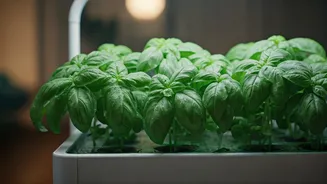
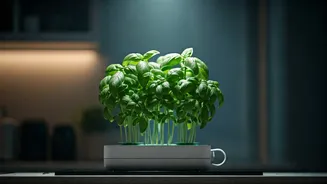
Basil and mint are ideal candidates for a beginner’s hydroponic garden. Both are hardy, fast-growing, and respond exceptionally well to this method. Basil, with its sweet, peppery notes, is a star in Italian dishes and even some modern Indian fusion recipes. Mint, or pudina, is a staple in every Indian kitchen, essential for everything from refreshing chutneys and raitas to soothing herbal teas and garnishes for biryani. Growing them hydroponically means you get a continuous supply of clean, pesticide-free leaves. Because their roots are constantly supplied with water and nutrients, the plants often grow faster and more lushly than they would in soil.
Your Beginner's Shopping List
Getting started requires a few key items, most of which can be found online or at speciality garden stores. * **Containers:** Opaque containers are best to prevent algae growth. Old plastic jars, tubs, or small buckets work well. You'll need one per plant. * **Net Pots:** These are small plastic baskets that hold the plant and allow its roots to grow down into the water. They should fit snugly into a hole you'll cut in your container's lid. * **Growing Medium:** Instead of soil, you’ll use an inert medium like clay pebbles (LECA), perlite, or coco peat to support the plant in the net pot. * **Hydroponic Nutrients:** This is the most crucial part. You'll need a two-part A&B nutrient solution specifically for leafy greens. Follow the mixing instructions on the bottle carefully. * **Seeds or Saplings:** You can start from high-quality basil and mint seeds or make life easier by purchasing small saplings from a local nursery.
Setting Up Your System: The Easy Way
We’ll use the Kratky method, a simple, non-circulating technique that’s perfect for beginners. 1. **Prepare the Lid:** Cut a hole in the lid of your container, just large enough for the net pot to fit securely without falling through. 2. **Mix the Nutrients:** Fill your container with water, leaving an air gap of about an inch at the top once the net pot is in place. Add the A and B nutrients to the water as per the manufacturer's instructions. Always mix them into the water separately to avoid nutrient lockout. 3. **Plant Your Herb:** If using a sapling, gently wash the soil from its roots. Place the sapling in the net pot and fill the surrounding space with your chosen growing medium (like clay pebbles) to hold it upright. If using seeds, start them in a germination plug first. 4. **Assemble:** Place the net pot into the hole in the lid, ensuring that the bottom inch of the pot and the roots are submerged in the nutrient solution. The gap you left creates a pocket of air, which is essential for the roots to breathe.
Light, Care, and Harvesting
Place your new garden in a spot that receives at least 5-6 hours of bright, indirect sunlight, like a south-facing window. If you don't have enough natural light, a simple LED grow light will work wonders. As the plant grows and drinks the water, the water level will drop, creating a larger air pocket for the roots. For a simple setup like this, you may only need to refill the solution once or twice during the plant's life. Begin harvesting leaves once the plant is well-established (about 6-8 inches tall). For basil, pinch off the top set of leaves to encourage bushier growth. For mint, you can trim entire stems. Regular harvesting is key to a long and productive life for your plants.