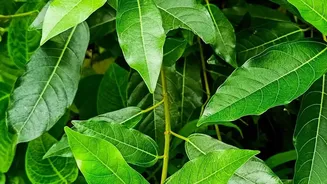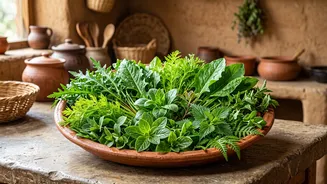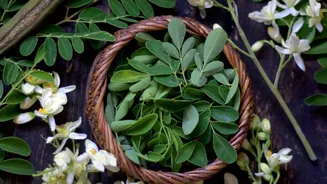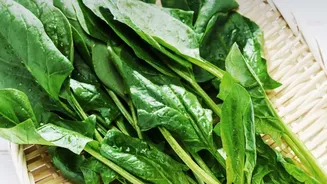






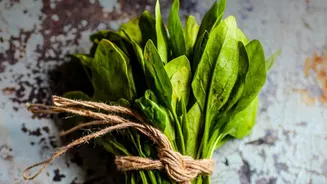
In the forests of Central India, an ancient and resilient food system provides nourishment and medicine. This is the world of wild leafy vegetables, protected not by fences, but by the profound ecological knowledge of Indigenous communities.
A Forest's Living Pantry
For tribal
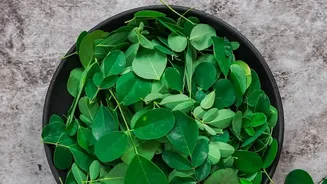
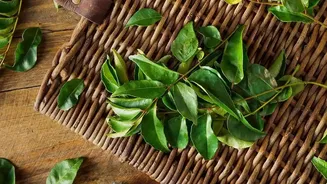
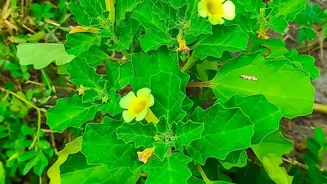
communities like the Gond and Baiga in states such as Madhya Pradesh and Chhattisgarh, the forest is not a separate entity but an extension of home and a source of life. Within these forests thrives a vast, edible pantry of wild leafy vegetables, locally known as 'bhaji'. Studies have documented dozens of species used by these communities, from amaranth greens to the tender leaves of various trees and shrubs. These plants are more than just food; they are a cornerstone of food security, especially during lean seasons, and a source of vital micronutrients often missing from modern diets. Rich in vitamins, iron, and calcium, they form an essential part of the nutritional intake for these communities.
Wisdom Passed Through Generations
The knowledge of which plants are edible, when to harvest them, and how to prepare them is a form of cultural inheritance, passed down primarily through oral tradition and direct participation. Elders, particularly women, are the custodians of this ethnobotanical wisdom, teaching younger generations to identify the right species and understand their roles within the ecosystem. This is not simply a list of edible plants; it is a complex system that includes understanding seasonal cycles, plant life stages, and the interconnections between different species. This Traditional Ecological Knowledge (TEK) is a living science, refined over centuries of close observation and a deep, reciprocal relationship with the environment.
The Rules of Respectful Harvest
The core of this conservation success lies in a set of unwritten, culturally embedded rules for harvesting. A fundamental principle is to never take more than is needed, ensuring the plant population can regenerate. Practices include selective harvesting of only mature leaves, leaving younger shoots to grow, and never uprooting the entire plant. For the Baiga, there is a deep-seated belief that ploughing the land is like harming Mother Earth, which guides their gentle, low-impact agricultural practices. Furthermore, some forest areas are designated as sacred groves, which are protected from all human interference and act as vital, in-situ conservation sites for biodiversity, including rare edible and medicinal plants. These spiritual beliefs are a powerful conservation tool, protecting entire ecosystems.
A Shield Against Modern Threats
These ancient practices stand in stark contrast to the pressures of the modern world. Deforestation, erratic rainfall due to climate change, and the spread of monoculture farming are significant threats to wild plant biodiversity. As uniform, hybrid vegetable varieties dominate commercial markets, a vast diversity of local species is being lost. The Indigenous system, with its focus on diversity and seasonality, offers a resilient alternative. By relying on a wide array of plants, communities are less vulnerable to the failure of a single crop. Their methods, which require no chemical fertilisers or pesticides, also maintain soil health and protect the surrounding ecosystem, acting as a natural buffer against environmental degradation.
The Race Against Time
Despite its proven resilience, this invaluable knowledge system is itself under threat. As younger generations are increasingly exposed to modern diets and urban lifestyles, the transmission of traditional knowledge is eroding. Researchers note a significant decline in ethnobotanical knowledge among younger community members, signalling an urgent need for documentation and preservation efforts. Recognizing and valuing this wisdom is the first step. Initiatives that integrate wild vegetables into local meal programs or document traditional practices are crucial for ensuring this knowledge is not lost forever.