
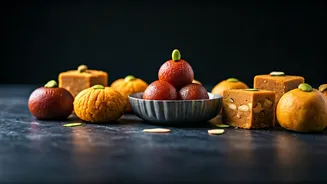


The Sweet Surrender
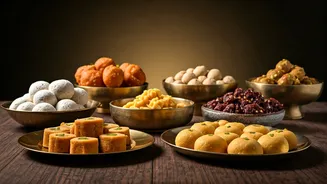
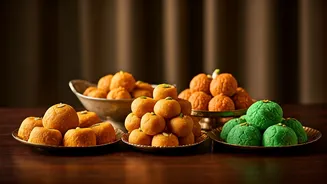
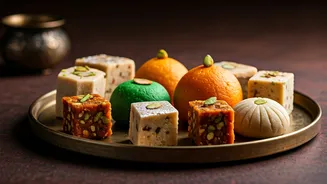
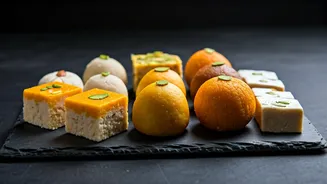
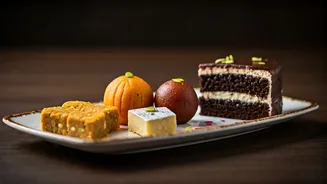
For the longest time, the dessert section of a premium Indian restaurant menu was a familiar, if slightly uninspired, affair. It was a land of chocolate lava cakes, New York cheesecakes, and tiramisu. Traditional Indian sweets, or mithai, were often seen
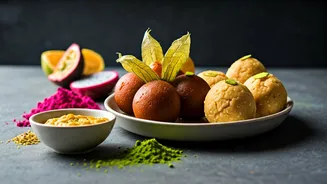
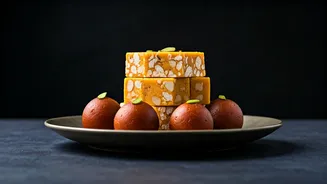
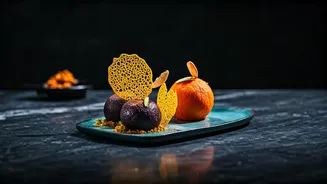
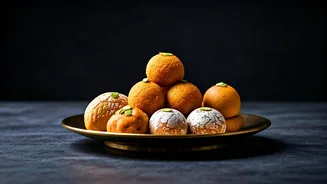
as too heavy, too sweet, or too rustic for a fine-dining finale. But the tide has turned dramatically. A new wave of culinary confidence is sweeping the nation, with chefs and patissiers boldly reclaiming India's rich heritage of sweets. They are reimagining mithai not as a relic, but as a launchpad for creativity and innovation. This shift isn't just about offering a token gulab jamun; it's a full-fledged embrace of desi flavours, presented with global techniques and artistry. Restaurants like the celebrated Indian Accent, for example, feature desserts like doda barfi treacle tart and besan ladoo cheesecake, signalling a proud departure from the Western-dominated dessert card.
Deconstruction and Artistry
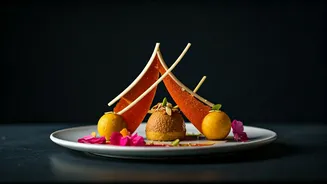
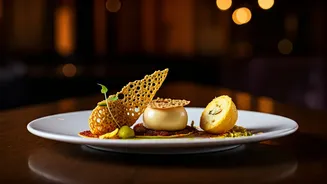
The driving force behind this trend is a blend of nostalgia and novelty. Chefs are deconstructing beloved classics and reassembling them in surprising new forms. Think of Masala Library's Jalebi Caviar with Pistachio Rabri, where the familiar sweet is transformed into delicate pearls, or a Gulab Jamun Cheesecake that marries the syrupy indulgence of the mithai with the creamy tang of cheesecake. This process is highly technical, blending the precision of French pastry with the soul of Indian flavours. It’s about more than just presentation; it’s about isolating and amplifying the core tastes we grew up with. Master Chef Ajay Chopra's brand, Kshir & Canelé, aims to revolutionize the mithai space by marrying traditional Indian sweets with global flavours and French pastry techniques. The goal is to make these creations visually stunning, perfect for an Instagram-first generation of diners who eat with their eyes first.
Nostalgia on a Plate
At its heart, this movement is deeply emotional. For many diners, these desserts are a taste of home, elevated. Chefs are tapping into a collective memory of festive treats and childhood favourites. At Masala Library, a Methi Matar Malai Tartlet was inspired by the chef's own grandmother's recipe, a dish that instantly transports diners back to their own childhoods. Pastry chef-turned-mithai maker Neelam Saini of Ornamental Mithai speaks of a mission to restore the 'lost respect' of traditional Indian sweets for a new generation. These creations are conversation starters, bridging the gap between comforting home-style food and the refined expectations of a premium dining experience. They cater to a palate that seeks both discovery and the familiar warmth of nostalgia.
A Mark of Culinary Confidence
The rise of the gourmet desi dessert is more than just a food trend; it’s a statement of cultural pride. For years, there was an unspoken pressure to cater to international tastes, which often meant sidelining Indian sweets. Today, chefs are confident in the global appeal of Indian flavours. Brands like Bombay Sweet Shop and Khoya Mithai are reinventing mithai with a contemporary twist, making them appealing to younger, millennial audiences who are eager to experiment. This isn't about East-meets-West fusion as much as it is about India meeting itself through a new, modern lens. Chefs are looking inward, applying world-class skills to the flavours they know and love, and in doing so, are crafting a new, assertive identity for modern Indian cuisine. The result is a dessert menu that is finally, and proudly, Indian.