



An Ancient Staple Reimagined
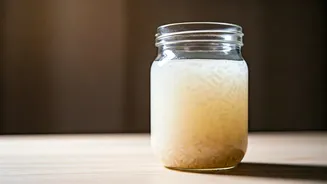
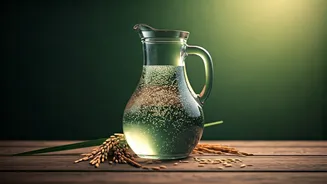
Fermented rice water is exactly what it sounds like: the liquid left over after soaking cooked rice in water, typically overnight. In India, it's known by many names—Panta Bhat in Bengal, Pazhaya Sadam in Tamil Nadu, and Pakhala Bhata in Odisha. [5, 12,
13] For centuries, it has been a practical and cooling meal, especially for farmers and labourers needing energy and hydration in the summer heat. [5, 21] This tradition of preventing food waste by transforming leftovers into a nutritious meal is now being appreciated for its profound health advantages, shifting its image from a 'poor man's food' to a modern superfood. [21, 22] The process is simple but transformative; natural fermentation allows beneficial microbes to flourish, changing the nutritional profile of the rice and water. [22]
A Boost for Your Gut Health
The primary reason for the renewed excitement around fermented rice is its potential as a probiotic powerhouse. The fermentation process encourages the growth of lactic acid bacteria, such as Lactobacillus, which are beneficial for gut health. [2, 6, 13] These probiotics can help improve digestion, reduce bloating, and support a healthy gut microbiome. [2, 7, 13] A balanced gut is closely linked to a stronger immune system, as a significant portion of our immune cells reside in the gut. [2, 7] Studies suggest that the short-chain fatty acids produced during fermentation have anti-inflammatory properties, which can soothe the digestive tract and improve overall gut integrity. [8, 17]
The Beauty Benefits: Skin and Hair
Beyond ingestion, fermented rice water has been a beauty secret in Asian cultures for centuries. [20] When used topically, its proponents claim it can lead to smoother, brighter skin and stronger, shinier hair. Dermatologists note that fermented rice water contains antioxidants, amino acids, and vitamins B and E. [14, 20] These components can help hydrate the skin, support the skin barrier, and provide a mild brightening effect by reducing inflammation and improving texture. [14, 23] For hair, the starchy liquid is believed to add volume and tame frizz. [24] However, experts caution against viewing it as a miracle cure. While generally safe, it’s not a replacement for proven treatments for specific concerns like deep pigmentation or hair loss. [14, 24]
Unlocking Enhanced Nutrition
The fermentation process does more than just create probiotics; it can also make the nutrients in rice more accessible to your body. Research indicates that fermenting rice increases the bioavailability of essential minerals. For example, studies have shown significant increases in the content of iron, calcium, and potassium compared to plain cooked rice. [3, 17] Fermentation also helps break down 'anti-nutrients' like phytic acid, which can interfere with mineral absorption. [12, 22] This means your body can absorb more of the good stuff from the rice. Additionally, the process can enhance the levels of B vitamins, including B12, which is particularly beneficial for those on vegetarian or vegan diets. [13, 22]
How to Make It Safely at Home
Making your own fermented rice is simple. Start with a cup of cooked rice and let it cool to room temperature. Place it in a clean clay, glass, or stainless steel container and add enough water to fully submerge it. [22, 26] Cover the container with a loose lid—this allows fermentation gases to escape while keeping contaminants out. [26] Let it sit at room temperature overnight, or for about 12 hours. The next morning, the water will be slightly tangy and cloudy, indicating it's ready. You can consume the water, eat the rice, or both. It’s often enjoyed with a pinch of salt, chopped onion, green chillies, or a splash of buttermilk. [5, 21]
A Word of Expert Caution
While fermented rice water has many potential benefits, it's important to be cautious. The key is proper and safe fermentation. If not prepared hygienically, there is a risk of harmful bacteria growth. [4, 15] Individuals with sensitive stomachs or conditions like IBS should introduce it slowly, as the acidity and bacteria might cause discomfort for some. [4] For skincare, dermatologists recommend patch-testing first, as it can cause irritation or breakouts in sensitive or acne-prone individuals. [14] Ultimately, experts see it as a supportive, natural supplement to a healthy lifestyle, not a cure-all. [16] Moderation is key, and it should not replace a balanced diet or prescribed medical treatments. [16]