






From Wants to Needs: The New Face of E-Commerce
Not long ago, the thrill of e-commerce was in the occasional, exciting purchase. It was about discretionary spending—upgrading a gadget or snagging a deal during a festive sale. Today, the landscape has fundamentally changed. Welcome to the era of utility
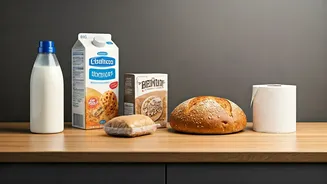
shopping, where the digital cart is more likely to be filled with atta, milk, vegetables, and toilet paper than the latest fashion. This isn't just about adding groceries to your Amazon order; it's a complete shift in consumer behaviour where online platforms have become an essential service, a practical tool for everyday life. The focus has moved from impulse buys for wants to planned, frequent purchases for needs.
The Catalyst: Convenience and Quick Commerce
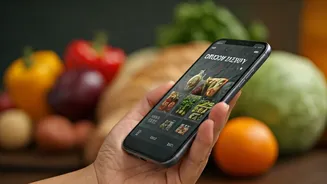
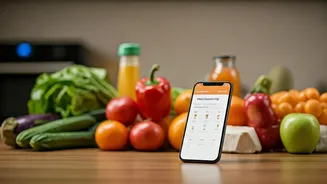
Several factors are driving this transformation, but none are more powerful than convenience and speed. The COVID-19 pandemic acted as a massive catalyst, forcing millions of households to try online grocery and essentials delivery for the first time out of necessity. What started as a safety measure quickly became a habit as consumers grew to appreciate the convenience. This behavioural shift was supercharged by the rise of quick commerce. Platforms like Blinkit, Zepto, and Swiggy Instamart have redefined consumer expectations with the promise of 10-to-30-minute deliveries. Running out of ginger mid-recipe is no longer a crisis; it’s a minor inconvenience solved with a few taps on a smartphone. This instant gratification model has turned the weekly grocery run into an on-demand service.
How '10-Minute Delivery' Changed Everything
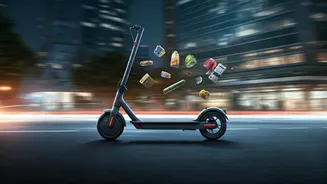
Quick commerce platforms have done more than just deliver fast; they have altered the psychology of shopping. By offering a curated selection of high-frequency items from strategically located 'dark stores', they ensure product availability and breakneck speed. This has encouraged a pattern of smaller, more frequent purchases, moving consumers away from traditional monthly bulk buying. Studies show that while quick commerce can trigger impulse buys, it is increasingly being used for planned, routine purchases. This reliability makes it an integral part of household management for urban Indians, especially millennials and Gen Z. The growth is staggering, with the quick commerce market projected to become a $50 billion powerhouse, its shopper base doubling to 70 million as it expands beyond metros into Tier 2+ cities.
The Broader Impact on Retail
This pivot to utility shopping has sent ripples across the entire retail ecosystem. Traditional brick-and-mortar stores are facing new competition, not just from large e-commerce players but from a fleet of hyperlocal delivery services. For online platforms, the focus has shifted from just acquiring customers to mastering complex logistics. Managing perishable goods, ensuring consistent stock of thousands of daily items, and optimizing delivery routes for profitability are the new frontiers. Brands, in turn, must now ensure their products are visible and available on these quick commerce platforms, which are becoming a significant channel for sales and consumer engagement.
The Future is Practical
Is this trend here to stay? All signs point to yes. The convenience of on-demand essentials is a powerful hook that has permanently altered consumer expectations. E-commerce penetration in the grocery segment, while still smaller than in electronics or fashion, is growing rapidly. The number of online grocery shoppers in India saw explosive growth in recent years, jumping from around 27 million in 2019 to over 71 million by 2022. With rising internet penetration, increasing digital payment adoption, and the expansion of quick commerce into new cities, utility shopping is set to become even more entrenched. E-commerce is no longer just a digital marketplace; it has become a fundamental piece of urban infrastructure, as essential as electricity or water.