


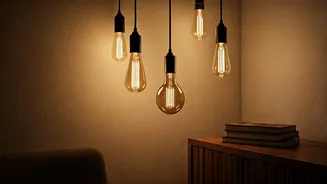




It Taps Into Our Psychology
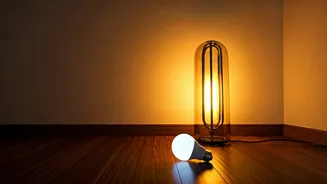
At a fundamental level, humans are wired to associate warm light with safety and comfort. Think of a crackling fire, a glowing candle, or a setting sun. These natural light sources have provided warmth and protection for millennia. Amber light, which
sits at the warm end of the colour spectrum (typically between 1,800 to 2,700 Kelvin), mimics this primal comfort cue. When we are bathed in this gentle glow, our brains receive a signal to relax. It subconsciously lowers our guard, making a space feel like a sanctuary rather than just a structure. This is the opposite of harsh, cool-toned fluorescent lighting, which can often feel clinical and induce a sense of alertness or even anxiety.
It Creates a Flattering Glow
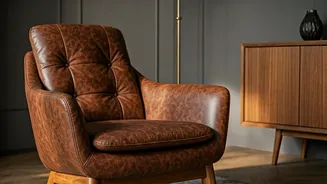
One of the most practical reasons designers love warm amber light is its incredible ability to flatter. It’s the Instagram filter of interior lighting. This type of light is forgiving on skin tones, smoothing out imperfections and giving everyone a healthy, radiant glow. It’s why high-end restaurants and intimate lounges always use it—it makes guests look and feel their best. The same principle applies at home. Whether you are hosting a dinner party or just catching up with family, warm lighting ensures the mood is social and everyone feels comfortable in their own skin. It also enriches the colours of your decor, making reds, browns, and golds appear deeper and more luxurious.
It Respects Your Body’s Natural Rhythm
In our screen-saturated world, we’re constantly exposed to blue light, which is known to disrupt our circadian rhythm—the body's internal 24-hour clock. Blue light signals to our brain that it’s daytime, suppressing the production of melatonin, the hormone that helps us sleep. Warm amber light does the opposite. By avoiding the blue end of the spectrum, it helps your body naturally wind down in the evening. Using soft, warm lighting in your living room and bedroom for a few hours before bed can significantly improve your transition to sleep. It’s a simple wellness hack that designers integrate to create homes that are not just beautiful, but also restorative and healthy.
It Builds Layers and Defines Spaces
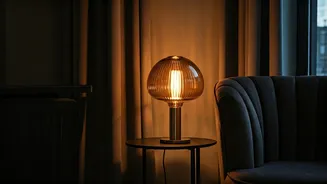
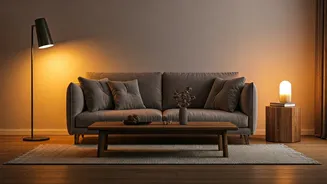
Great lighting design is all about layers, and ambient light is the foundational layer. It provides the general, overall illumination for a room. By making this base layer a soft, warm one, designers create a cohesive and inviting canvas. From there, they can add other layers: task lighting (like a reading lamp) and accent lighting (to highlight artwork). A warm ambient glow from sources like floor lamps, hidden LED strips, or shaded fixtures creates pools of light and soft shadows. This interplay adds depth, dimension, and visual interest to a room, preventing it from feeling flat and one-dimensional. It guides the eye and helps define different zones within a larger space, such as a cozy reading nook in a living room.
It Perfectly Complements Indian Homes
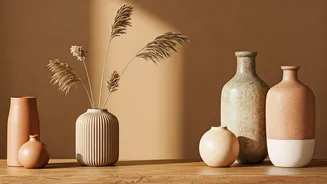
Warm amber light feels particularly at home in the Indian context. It beautifully enhances the materials common in our decor—the rich grains of sheesham or teak wood, the gleam of brass and bronze accessories, and the deep jewel tones of silk and cotton textiles. Think of how a diya illuminates a space; that soft, flickering warmth is what amber lighting emulates on a larger scale. It creates an atmosphere that is inherently festive and welcoming, making it ideal for the Indian home where hospitality and family gatherings are central. It evokes a sense of timeless tradition while feeling completely modern.