




Start with Their Style
Before you even think about specific scents, become a gentle observer of the person you're buying for. What is their general vibe? A person with a minimalist aesthetic might appreciate clean, simple scents like linen or white tea. Someone more classic
and elegant could enjoy soft florals or sophisticated musks. Pay attention to the scents they already use, whether it’s a specific perfume, a scented lotion, or even the candles in their home. This is your best clue. If they consistently wear a particular fragrance, you can research its 'scent family'—is it floral, woody, citrus, or fresh? This gives you a clear direction and reduces the guesswork.
Understand Fragrance Concentration
The language on perfume bottles can be confusing, but the terms primarily refer to the concentration of fragrance oil, which dictates both intensity and longevity. For someone who prefers subtlety, this is crucial. An 'Eau Fraiche' has the lowest concentration (1-3%) and lasts for an hour or two. An 'Eau de Cologne' (EDC) is slightly stronger at 2-4%. The safest and most popular bet for a subtle-scent lover is often an 'Eau de Toilette' (EDT), which contains 5-15% fragrance oil. It provides a lighter presence than an 'Eau de Parfum' (EDP), which has a higher concentration of 15-20% and a richer, longer-lasting profile. Choosing an EDT is a great way to ensure the fragrance remains light and airy.
Focus on 'Skin Scents'
A growing trend in fragrance is the 'skin scent'. These are perfumes designed not to project widely, but to stay close to the body, creating a soft, warm, and clean aura. They blend with a person's natural chemistry rather than masking it. Skin scents are defined by their low 'sillage', which is the trail a fragrance leaves behind. Instead of announcing your arrival, a skin scent is discovered up close. They often use notes like soft musks, ambrette, gentle woods like sandalwood, and clean-smelling notes that evoke fresh laundry or a comforting warmth. These fragrances are the definition of understated elegance and are a perfect match for someone who is sensitive to overpowering smells.
Know Which Notes to Seek and Avoid
When choosing a subtle scent, some notes are safer bets than others. Look for fragrances built around light and clean profiles. Fresh and aquatic scents, with notes of sea salt, clean linen, or green tea, are crisp and uplifting without being heavy. Light florals, focusing on single blossoms like rose or soft freesia, can be delicate and romantic. Citrus notes like bergamot and lemon offer an energising yet gentle start to a fragrance. On the other hand, it's wise to be cautious with notes known for their power and divisiveness. Heavy ouds, intense animalic notes, and strong, earthy patchouli can be overwhelming for a sensitive nose. Similarly, very sweet gourmand scents (like caramel or intense vanilla) can sometimes be too rich.
The Art of Testing
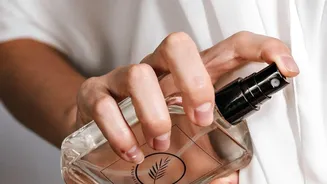
Never judge a fragrance by its first impression on a paper blotter. Perfumes are designed to evolve, with 'top', 'heart', and 'base' notes revealing themselves over time. The light, fresh top notes you smell first fade relatively quickly. The heart and base notes, which emerge later, form the true character of the scent. More importantly, a fragrance smells different on skin than it does on paper due to individual body chemistry. If possible, test a fragrance on your own skin and see how it develops over an hour or two. If you're still uncertain, consider a discovery set. These kits offer several smaller vials, allowing your recipient to explore a range of subtle options and find the one that truly speaks to them.