




Why a 'One-Size-Fits-All' List Fails
India’s incredible diversity isn’t just cultural; it’s climatic. August in the north, where rainfall is still quite active, is vastly different from the south, where the peak of the southwest monsoon may have already passed. A vegetable that thrives in the humid
warmth of one region might struggle in the waterlogged soil of another. Generic lists often fail to account for these crucial regional variations, as well as the microclimate of your own balcony or garden—how much direct sun it gets, its exposure to wind and rain, and the type of soil you use. Relying on a non-specific list can lead to disappointment, with seeds failing to sprout or young plants succumbing to rot or pests.
Know Your Zone, Grow with Confidence
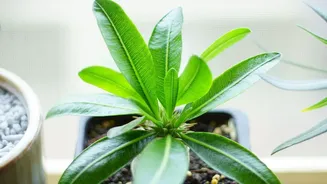
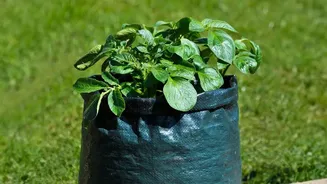
Instead of seeking a universal list, become an expert on your own small patch of earth. Observe the weather patterns in your city. Is the rain a constant heavy downpour or intermittent showers? Does your balcony bake in the afternoon sun or stay in the shade? These observations are more valuable than any generic advice. During the monsoon, proper drainage is the most critical factor for success. Heavy rains can compact soil and suffocate roots. Ensure every pot has clear drainage holes. For garden beds, consider creating raised beds to prevent waterlogging. A well-aerated soil mix, combining garden soil with materials like coco peat or sand, will help your plants breathe.
Reliable Vegetables for a Tailored August Garden
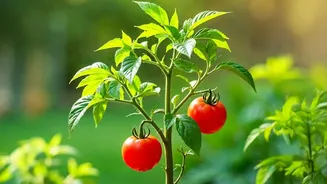
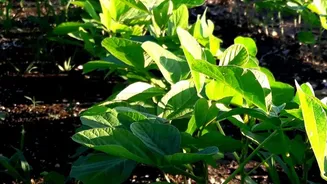
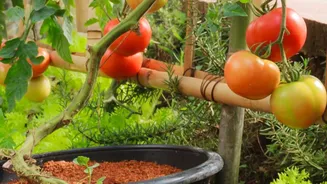
Even with local variations, some vegetables are generally robust choices for an August sowing. Gourds—like bottle gourd (lauki), ridge gourd (turai), and bitter gourd (karela)—are monsoon champions, as their vines love the moisture and can be trained vertically to save space. Okra (bhindi) is another reliable crop that thrives in the warm, humid conditions of August and is less fussy about soil richness. Beans, including French beans and cluster beans (gwar), are also excellent choices that germinate quickly. For those in slightly cooler or well-drained areas, you can start thinking about carrots and radishes. Tomatoes and brinjal can also be planted, provided they are shielded from relentless downpours.
Don't Forget Flowers and Herbs
A garden is for more than just vegetables. August is a perfect time to sow flower seeds for blooms that will coincide with the festive season. Marigolds, zinnias, and cosmos are fast-growing annuals that do exceptionally well in the late monsoon humidity and attract beneficial pollinators like butterflies. They require minimal care and provide a burst of colour. Many herbs also flourish in the ambient moisture. Mint, basil, and lemongrass are great choices for a balcony pot. They not only add flavour to your kitchen but also thrive in the conditions that August provides.
Essential Monsoon Care
Successful monsoon gardening involves a few key practices. First, manage watering. It's a common mistake to water plants daily when nature is already providing plenty; check if the top inch of soil is dry before reaching for the watering can. Second, watch for pests. The damp, humid weather is a breeding ground for fungi, snails, and slugs. Regularly inspect your plants, remove any yellowing or diseased leaves, and ensure good air circulation by not overcrowding them. Using a preventative spray of neem oil can help keep pests at bay organically. Finally, the heavy rains can wash away nutrients from the soil, so replenishing it with a light layer of compost is a great way to keep your plants fed and healthy.