
An Echo of Empire
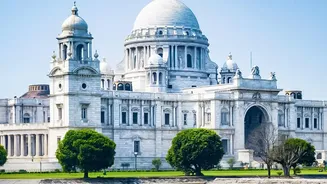
The 'London of India' moniker isn't without reason. For over a century, until 1911, Kolkata (then Calcutta) was the capital of British India, and at one point, the second-largest city in the British Empire after London itself. This legacy is etched in stone
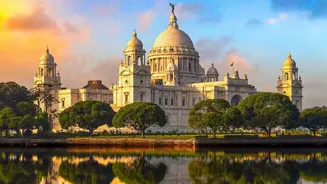
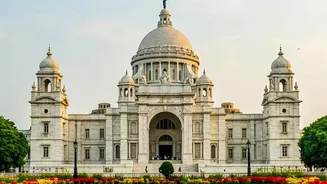
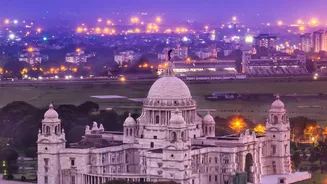
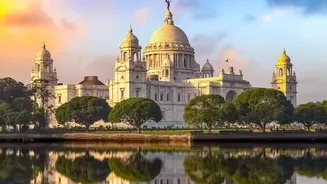
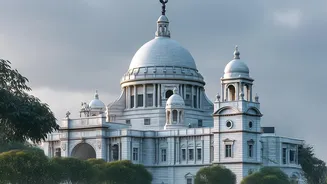
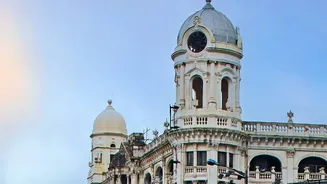
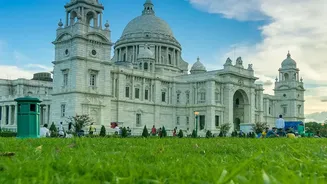
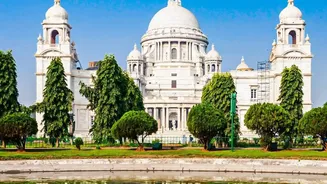
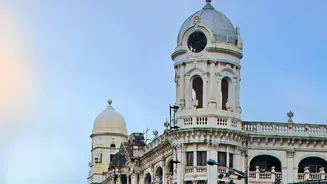
across the city. The magnificent Victoria Memorial, a gleaming white marble tribute to Queen Victoria, stands as the most iconic symbol of this era. The city's administrative heart, centered around the imposing Writers' Building and the grand General Post Office, was designed with a European aesthetic, featuring Neoclassical and Gothic Revival styles. The British built not just buildings but a way of life, establishing Kolkata as a hub for administration, law, and education. Even the city's geography, with the bustling Hooghly River playing a vital role in trade, drew parallels to London's relationship with the Thames.
The Soul in the Streets
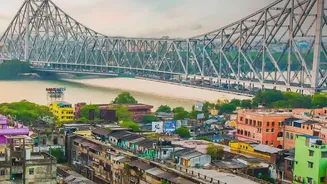
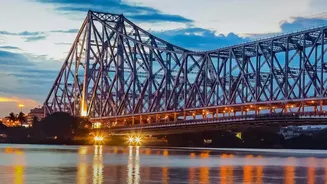
But to fixate on the colonial architecture is to miss the city's true heartbeat. The real Kolkata unfolds in the labyrinthine lanes of the north, an area often called 'Babu Kolkata'. Here, century-old residential buildings with peeling paint and elaborate balconies tell stories of a different heritage. This is the city of hand-pulled rickshaws and the iconic yellow taxis, of bustling markets like the Mullick Ghat flower market under the Howrah Bridge, a chaotic and colourful spectacle catering to the entire city. It’s also home to India's only Chinatown, Tiretti Bazaar, where you can still find a hearty street-side Chinese breakfast at dawn. Kolkata is the only city in India where you can still ride an electric tram, a journey back in time that connects the grandeur of the past with the rhythm of everyday life. This contrast between the stately colonial centre and the vibrant, lived-in neighbourhoods is where Kolkata’s unique character is forged.
A City of Joy and Intellect
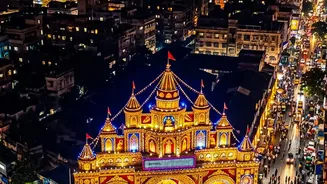
Long known as India's cultural capital, Kolkata's intellectual and artistic spirit is one of its most defining features. This is the city of Nobel laureate Rabindranath Tagore, and his ancestral home, Jorasanko Thakur Bari, remains a site of cultural pilgrimage. The passion for literature is most palpable on College Street, the world’s largest second-hand book market, where you can lose yourself for hours. Here, the legendary Indian Coffee House still serves as a gathering spot for students, artists, and intellectuals, its walls echoing with decades of debate and discussion. The city's creative pulse is also visible in Kumartuli, the potters' quarter, where artisans skillfully craft clay idols for festivals, most notably the grand Durga Puja that engulfs the city in celebration. This deep-rooted cultural identity proves that while the British built the administrative offices, Bengalis built the city's soul.
A Culinary Pilgrimage
You cannot claim to know Kolkata without tasting it. The city’s contribution to India's culinary landscape is immense. Street food is a way of life here, from the explosive flavour of phuchka (Kolkata's version of pani puri) to the satisfying warmth of a kathi roll, a legacy of Nizam's restaurant. Stalls across the city serve up jhalmuri, a puffed rice snack, and telebhaja, an assortment of fried fritters. But the culinary journey doesn’t end on the street. It extends to the slow-cooked mutton delicacy, Kosha Mangsho, and the region's famous biryani, distinct for its use of potato. And then there are the sweets. Kolkata is the home of the rosogolla, and no meal is complete without a taste of mishti doi (sweet yogurt) or other inventive confections. From historic cafes like Flurys to humble street-side vendors, food in Kolkata is an experience that engages all the senses.