





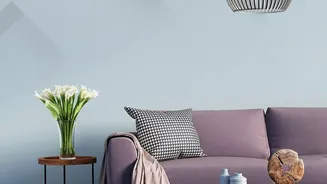
Goodbye to the ‘For-Guests-Only’ Sofa
For generations, the living room—or drawing room—was a space of presentation. It housed the best furniture, was kept immaculately clean, and was often reserved exclusively for entertaining guests. The proverbial plastic-covered sofa was a symbol of this
mindset: a piece of furniture to be preserved rather than enjoyed. This idea is fading fast. Driven by a cultural shift, families are reclaiming this central part of the home for themselves. The living room is no longer just a sterile showroom; it’s the backdrop for daily life, from morning chai and evening television to weekend family gatherings and children’s playtime.
The Key Drivers of the Big Shift
Several practical factors are accelerating this change. First, urban homes are getting smaller. With rising real estate costs, especially in metropolitan areas, every square foot must serve a purpose. Open-plan layouts that merge living and dining areas are now the norm in new apartments, erasing the physical and mental separation between different activities. Second, the rise of remote and hybrid work has been a game-changer. The living room has suddenly become a part-time office, demanding a corner for laptops, video calls, and paperwork. This has forced a rethink of how the space is configured, balancing professional needs with personal comfort. Finally, the room must accommodate the entire family's diverse needs simultaneously—a place for a child to do homework, a parent to take a work call, and another to relax.
The Art of Creating Zones
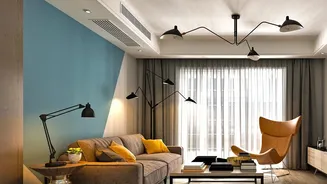
Making one room do the job of three doesn't have to result in chaos. The secret is “zoning”—creating distinct functional areas without building walls. A large rug can instantly anchor a seating area, visually separating it from a workspace. You can position a sofa with its back to a desk to create a subtle partition. Lighting also plays a crucial role. Use brighter, focused task lighting for a work or study nook, and warmer, ambient lamps for the relaxation zone. Even open shelving units can act as permeable dividers, offering storage while delineating space without blocking light.
Choose Furniture That Works Overtime
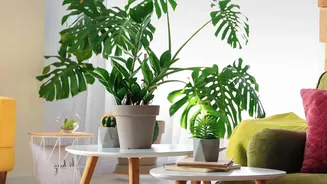
In a multifunctional space, every piece of furniture must earn its keep. The market is now flooded with smart designs tailored for modern Indian homes. The classic sofa-cum-bed remains a champion of versatility, perfect for accommodating overnight guests. Coffee tables with hidden storage or lift-up tops that convert them into work surfaces are incredibly practical. Nesting side tables can be spread out when needed and tucked away to save space. Similarly, an expandable dining table can stay compact for daily family meals but grow to host larger gatherings.
Smart Storage Is Your Best Friend
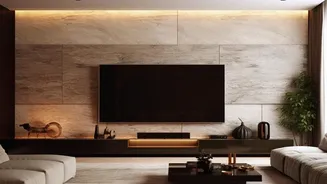
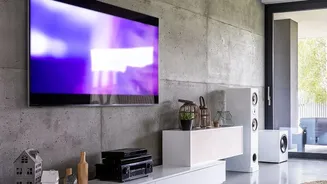
A room that hosts multiple activities is prone to clutter. The solution is to think vertically and find hidden opportunities. Wall-mounted shelves and tall, slender cabinets draw the eye upward and free up valuable floor space. Ottomans and benches with built-in storage are perfect for stashing away toys, blankets, or magazines. A well-designed TV unit can also conceal electronics, wires, and other miscellaneous items, helping maintain a clean and organised look. The goal isn't to eliminate possessions, but to ensure everything has a designated place.
Make It Personal and Practical
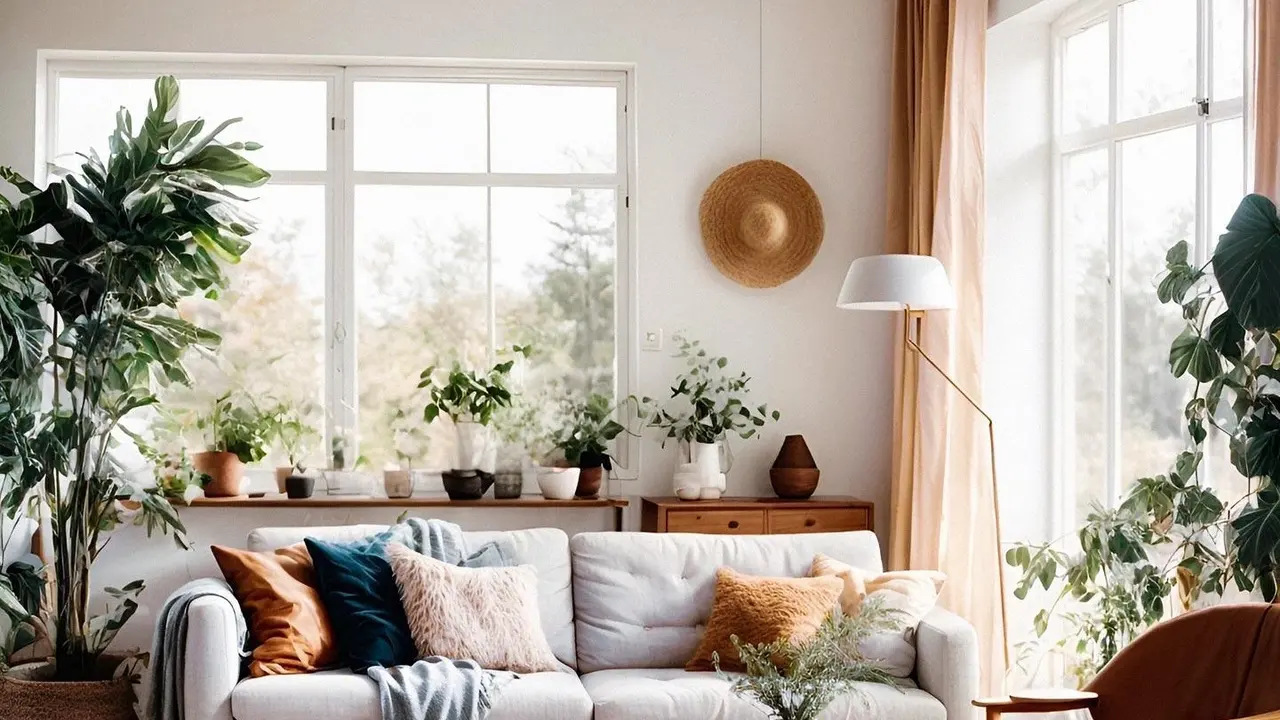
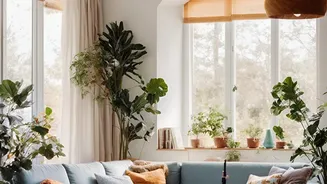
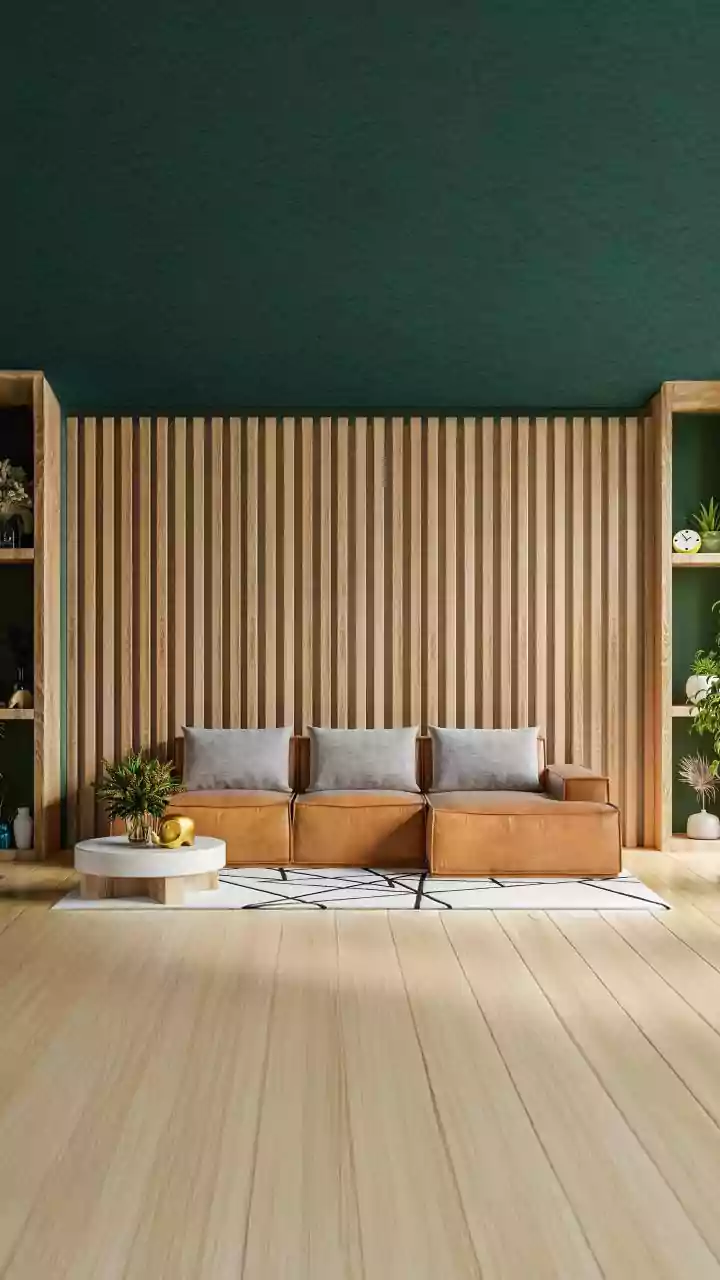
A hardworking living room should still feel like a home, not a sterile office or a cluttered workshop. This is where personal touches come in. Don't be afraid to mix styles. A sleek, modern sofa can be paired with a traditional carved wooden cabinet. Use textiles like vibrant cushions, block-printed throws, or a colourful dhurrie to add warmth and personality. Family photos, art that you love, and a few well-placed plants can transform a purely functional area into a space that is truly and beautifully yours. This new living room is a reflection of life as it’s actually lived—dynamic, adaptable, and full of character.