

The Great September Dry-Off
The four-month-long southwest monsoon season is entering its final phase. According to the India Meteorological Department (IMD) and other weather models, conditions are becoming favourable for a withdrawal from parts of northwest India in the second
half of September. While some regions may still see rainfall, large parts of the country, particularly Peninsular India, are expected to experience a significant reduction in moisture and subdued rainfall activity. This process happens in stages, beginning in the northwest and gradually moving down to the southern peninsula by October. This year, due to factors like a strong El Niño, the monsoon has been erratic and is projected to be below normal, suggesting a drier and hotter September than usual for many.
Liberation for Your Laundry Basket
One of the most immediate and welcome changes is the end of the perpetual dampness. Lower humidity and clearer skies mean clothes will finally dry quickly on the line, losing that persistent musty smell that plagues the rainy season. This is a small but significant lifestyle upgrade. The constant need for indoor drying or running fans for hours will diminish, saving both time and electricity. It also becomes easier to maintain a clean and dry home environment, preventing the growth of mould and bacteria that thrive in humid conditions. Taking out blankets and cushions to air in the sun becomes a viable weekend activity again.
A Green Light for Getaways
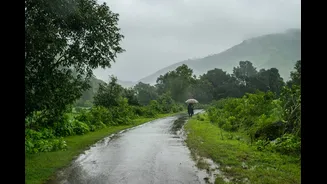
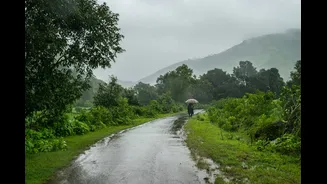
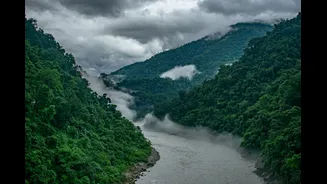
The post-monsoon period, from September to November, is widely considered one of the best times for travel in India. The landscape, freshly washed by the rains, is at its most lush and vibrant. Waterfalls are still full, mountains are draped in green, and the air is clean and crisp. Destinations like Munnar in Kerala, Coorg in Karnataka, and Lonavala in Maharashtra are particularly beautiful, showcasing rolling green hills and misty mornings. For adventure seekers, national parks like Jim Corbett in Uttarakhand often reopen their core safari zones in October after being closed for the monsoon. With fewer weather-related disruptions, road trips become safer and more reliable.
Health and Wellness Shifts
The changing season requires a shift in health awareness. While the retreat of stagnant water can help reduce breeding grounds for mosquitoes that transmit diseases like dengue and malaria, it's not a time to be complacent. It remains crucial to prevent water from collecting around homes. Conversely, the drop in humidity can lead to other issues. Dry skin and respiratory irritation can become more common. It's important to stay hydrated and use moisturiser. The end of the rains also means a change in diet; the availability of certain seasonal vegetables will shift, and it’s a good time to incorporate immunity-boosting foods like citrus fruits, ginger, and garlic to prepare for the coming season.
Impact on Agriculture and the Economy
Beyond personal routines, the monsoon's withdrawal has vast economic implications. A timely and normal retreat is crucial for farmers, especially for the sowing of Rabi (winter) crops. However, this year's predicted below-normal rainfall could create challenges. Deficient rain means farmers may need to rely more on groundwater irrigation, which increases energy consumption and operational costs. For the rest of us, this can have a ripple effect on food prices and availability in the months ahead. On the other hand, less rainfall can mean fewer disruptions for construction and infrastructure projects, which may see a pickup in activity.