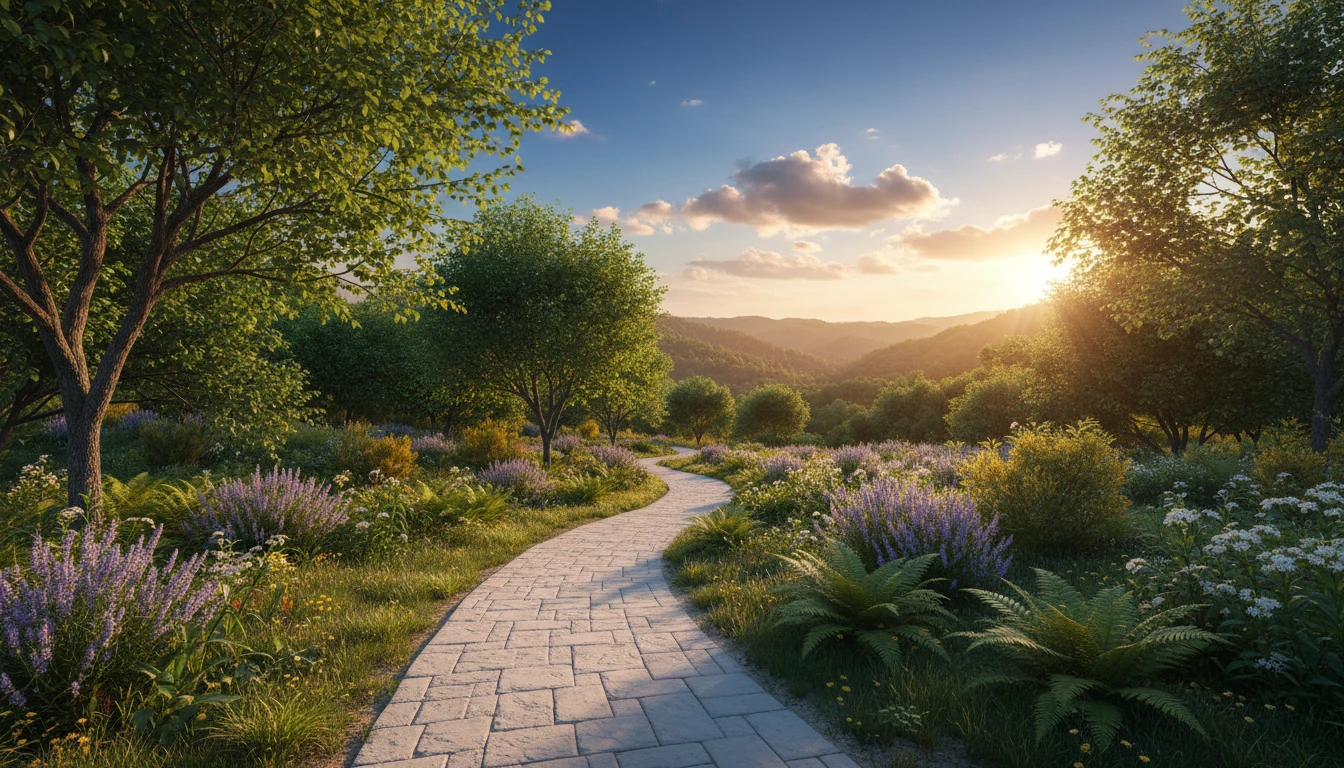







The Power of Off-Peak Flexibility
One of the most impactful changes a traveller can make is to be flexible with their dates. Travelling during the “shoulder seasons”—the months just before and after the peak tourist rush—offers a host of benefits for both the planet and your wallet. When
destinations are not overwhelmed by massive crowds, there is less strain on local resources like water and energy. Fewer people also means less congestion, which can lead to more efficient transportation and lower carbon emissions from planes, trains, and cars. From an experience standpoint, the rewards are immediate: fewer crowds at popular sites, lower prices for flights and accommodation, and a more relaxed atmosphere. This allows for a more authentic connection with the destination, as locals are often less overwhelmed and have more time for genuine interactions.
Embracing the Slow Travel Mindset
The concept of “slow travel” is about prioritising quality of experience over quantity of destinations ticked off a list. It means spending more time in a single location rather than hopping between cities every few days. This simple shift dramatically reduces your carbon footprint by minimising transportation, especially flights, which are a major contributor to travel-related emissions. Slow travel encourages the use of lower-impact transport like trains, buses, or even bicycles to explore a region more deeply. Instead of a rushed itinerary, a slower pace allows for spontaneous discoveries, from finding a family-run restaurant to spending an entire afternoon in a local park. It’s a mindset that trades the stress of a packed schedule for the joy of immersion.
Supporting Local Economies More Directly
When you travel slower and more deliberately, your economic impact often becomes more positive and direct. By staying in one place longer, you are more likely to support small, locally-owned businesses like independent guesthouses, neighbourhood cafes, and artisan shops rather than multinational chains. This ensures that your tourism money stays within the community, helping to sustain local families and preserve cultural heritage. Off-season travel provides a steadier stream of income for tourism-dependent economies that would otherwise face months of little to no business, promoting better year-round employment stability. Studies have shown that slow travellers often spend more within the local economy, fostering a more sustainable and equitable model of tourism.
The Personal Payoff: A More Meaningful Journey
Beyond the environmental and economic benefits, this approach to travel is deeply rewarding on a personal level. A less frantic schedule reduces travel-related stress and burnout, allowing you to return home feeling genuinely restored. Lingering in a destination fosters a deeper understanding of its culture, rhythms, and people. These meaningful connections and authentic experiences are what create lasting memories, far more than a quick photo at a crowded landmark. By becoming more conscious of how we travel, we not only protect the destinations we love but also enrich our own lives, turning a simple vacation into a transformative experience.