




Welcome to Culinary Rewind
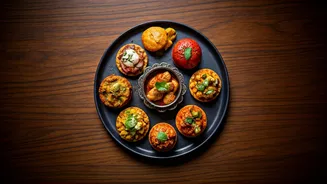
So, what is this game-changing trend? It doesn’t have a single, catchy name yet, but you can think of it as 'Culinary Rewind' or 'Modern Heritage'. It’s a powerful movement focused on rediscovering and celebrating indigenous Indian ingredients, ancient
grains, and traditional cooking methods, but with a contemporary, global-friendly twist. This isn't about simply recreating old dishes. It's about reimagining them. It’s about chefs and home cooks asking, 'What if we used bajra flour to make artisanal pasta?' or 'How can we turn the humble jackfruit into a gourmet taco filling?' It’s a trend born from a unique mix of pride, curiosity, and a growing desire for food that is both delicious and deeply connected to our roots.
From Ancient Grains to Modern Plates
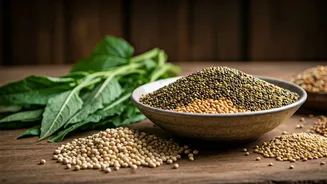
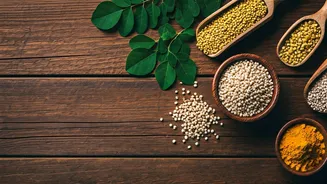
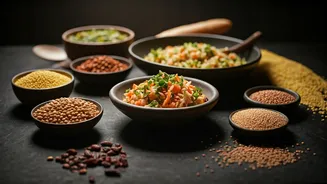
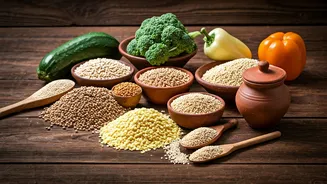
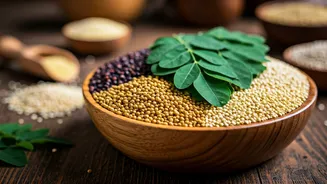
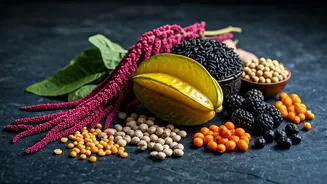
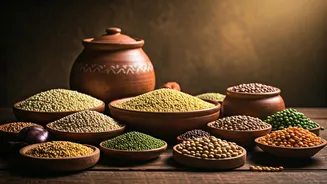
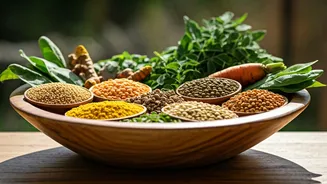
Look around, and you’ll see the signs everywhere. Millets, once considered humble 'coarse grains', are now the stars of the show. Thanks to a government push and a surge in health consciousness, millets like ragi, jowar, and foxtail are appearing in everything from high-end restaurant menus to packaged breakfast cereals and craft beers. We're seeing ragi pancakes, millet-crust pizzas, and jowar-based salads that are as tasty as they are nutritious. Similarly, ingredients like moringa (drumstick leaves), amaranth, and local greens, once foraged or grown in kitchen gardens, are being elevated to superfood status. Chefs are transforming them into vibrant pestos, nutrient-dense smoothies, and delicate garnishes, proving that what’s traditional can also be incredibly trendy.
Why Is This Happening Now?
This culinary renaissance isn't happening in a vacuum. Several factors are driving it. First, there's a growing consciousness around sustainability. Consumers are realising that eating local, seasonal ingredients is better for the planet and supports local farming communities. These indigenous crops are often more resilient to local climate conditions and require fewer resources. Second is the wellness wave. After years of focusing on imported 'superfoods' like quinoa and kale, many Indians are looking inward and discovering that our own traditional foods are nutritional powerhouses. Finally, there's a cultural element. For a generation that grew up with globalised food chains, there is a powerful yearning for authenticity and a connection to heritage. This trend is a delicious way to reclaim and celebrate our identity.
The Rise of Regional Flavours
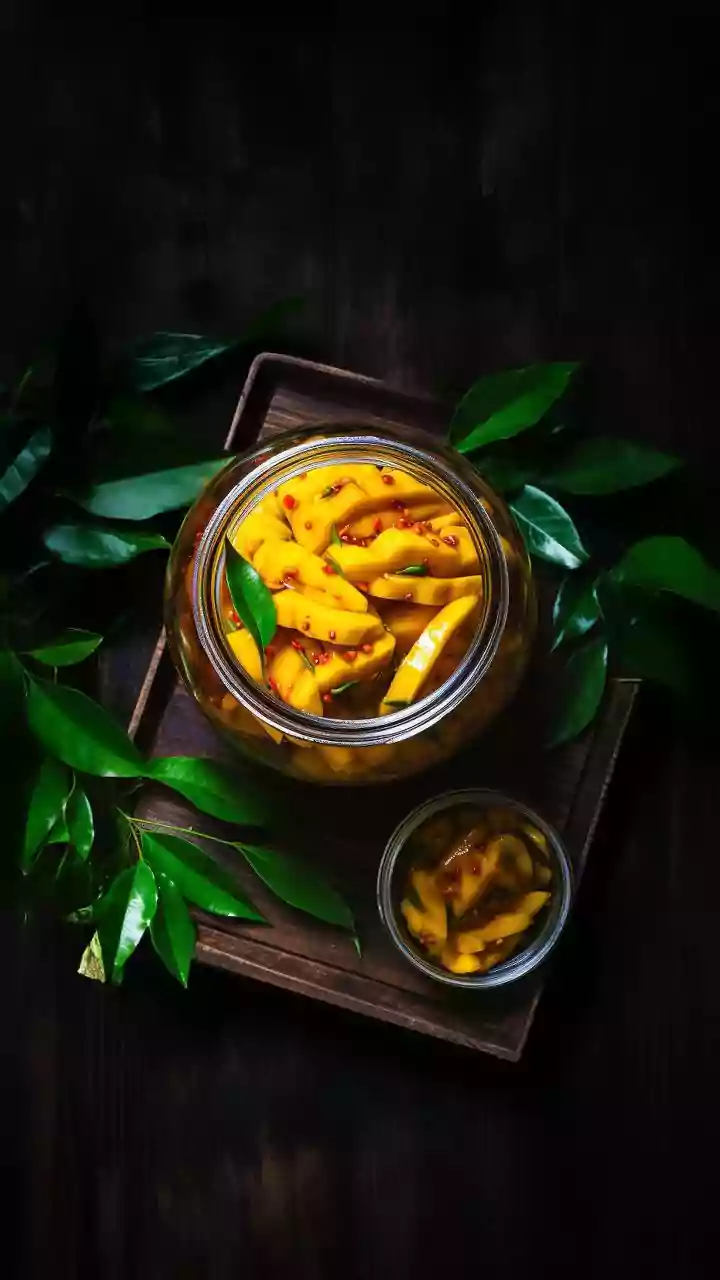
Beyond individual ingredients, this trend is also about championing India’s incredible regional diversity. For decades, 'Indian food' in the popular imagination was limited to a few North Indian staples. Now, chefs and food entrepreneurs are diving deep into the nuances of cuisines from the North-East, the Konkan coast, Chettinad, and beyond. We are seeing a boom in restaurants dedicated to specific regional cuisines, and a renewed interest in traditional techniques like fermentation, sun-drying, and wood-fire cooking. Think fermented bamboo shoots from Nagaland finding their way into a modern salad, or kokum from Goa being used to create a refreshing sorbet. This isn't just about preserving the past; it’s about ensuring these unique flavour profiles have a vibrant future.
How to Experience the Trend
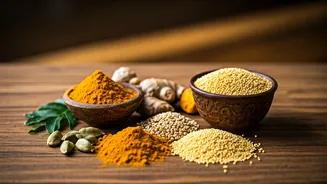
The best part about the 'Culinary Rewind' is its accessibility. You can experience it by visiting one of the many new-age restaurants championing regional Indian food, like The Bombay Canteen in Mumbai or an Avartana at ITC Grand Chola in Chennai. But you can also bring it into your own kitchen. Start small. Swap out regular flour for millet flour in your next baking experiment. Try cooking with a vegetable you’ve never used before, like raw jackfruit or colocasia roots. Explore the spice aisle at your local market beyond the usual suspects. This trend is an invitation to get curious about the ingredients that have nourished generations of Indians and find new, exciting ways to make them your own.