






The Journey From Source to Shelf
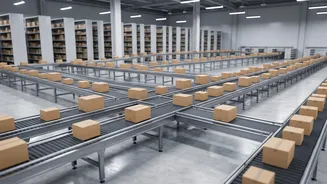
Before any product, whether it's a bag of rice or a bottle of shampoo, appears on a store shelf, it goes on a long journey. This journey is called the supply chain. It starts at the farm or factory, moves to a warehouse or distribution centre, and finally
ends at your local shop or delivered to your doorstep. Every step of this journey involves transportation, and each kilometre travelled adds to the final cost. In India, the logistics cost, which includes transport, warehousing, and administration, has a significant bearing on the economy.
Fuel on the Fire
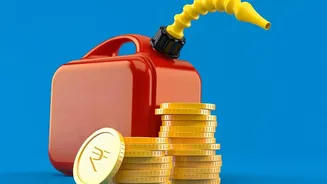
The single most significant component of transport cost is fuel. India's freight system is heavily dependent on road transport, with millions of trucks crisscrossing the country daily to move goods. When the price of diesel rises, the cost of running these trucks immediately goes up. Transporters and logistics companies often have little choice but to pass this increased cost onto the manufacturers and distributors they serve. These businesses, in turn, factor the higher freight charges into the price of their products. This 'cascading effect' means a fuel price hike can lead to a broad increase in the prices of essential goods, from vegetables and dairy to packaged foods.
More Than Just Fuel
While fuel is the main driver, other transport-related expenses also contribute to the final price tag. These include tolls on highways and expressways, vehicle maintenance, insurance, and the wages of drivers and other logistics staff. Poor road infrastructure in some areas can also lead to delays, longer transit times, and increased fuel consumption, all of which add to the overall cost. Even though rail transport can be cheaper per kilometre for long distances, road transport's door-to-door convenience means it remains the dominant mode for most goods, especially for shorter distances and final deliveries.
The Critical Last Mile
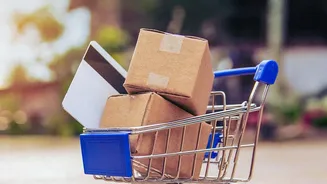
The final leg of the journey, known as 'last-mile delivery', is often the most expensive part of the entire process. This is the step that takes a product from a local distribution hub to the retail store or your home. Think of the delivery person navigating congested city streets to bring you your online order. This phase is complex and costly because it involves many individual stops with small order sizes. The high cost of last-mile delivery, especially with the rise of e-commerce and quick commerce, is a major factor that companies must build into their pricing.
A Ripple Effect Across the Market
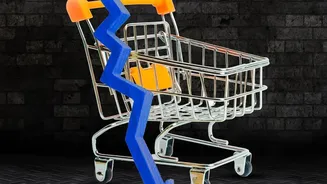
The impact of transport costs isn't limited to a few items. It creates a ripple effect across the entire economy. When the cost of moving raw materials to a factory increases, the cost of production goes up. When the cost of distributing finished goods to markets rises, retailers pay more. Ultimately, this inflation is passed on to you, the consumer. FMCG companies have often announced price hikes of 2-7% across various products like soaps, detergents, and packaged foods, directly citing the rising costs of fuel and freight. This is why fluctuations in global oil prices can eventually be felt in your monthly household budget.