



The Problem with Protein Grams
In the world of fitness and health, counting protein grams has become a daily ritual for many. We diligently check labels on everything from dal and paneer to protein bars and shakes, aiming for a target number to build muscle, lose weight, or simply
stay healthy. The assumption is that 20 grams of protein is 20 grams of protein, no matter the source. However, this is a fundamental misunderstanding. The number on the label represents the total protein contained in the food, but it says nothing about its bioavailability — that is, how much of that protein your body can actually digest, absorb, and use. Several factors, including the source of the protein and what you eat it with, can significantly alter its usable amount.
Amino Acids: The Real Building Blocks
To understand protein quality, we need to talk about amino acids. Proteins are made of 20 different amino acids, nine of which are considered "essential" because our bodies can't produce them; we must get them from food. A protein source is considered "complete" if it contains all nine essential amino acids in sufficient quantities. Animal-based proteins like meat, eggs, and dairy are generally complete. Plant-based proteins, however, are often "incomplete," meaning they are low in one or more essential amino acids. For example, legumes are often low in methionine, while grains can be low in lysine. This doesn't make them inferior, but it does mean that variety and combination are key for those on plant-based diets to get a full amino acid profile.
Measuring What Matters: From PDCAAS to DIAAS
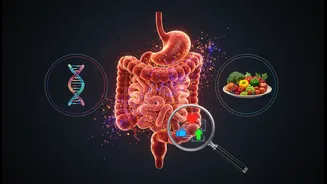
Scientists have developed scoring systems to measure protein quality more accurately. The older method, known as the Protein Digestibility-Corrected Amino Acid Score (PDCAAS), assesses a protein based on its amino acid profile and a measure of fecal digestibility. However, this method has limitations. It measures digestibility at the end of the digestive tract, where bacterial activity can skew results, and it truncates scores at a maximum of 1.0, making it hard to differentiate between high-quality proteins. A newer, more accurate method recommended by the Food and Agriculture Organization (FAO) is the Digestible Indispensable Amino Acid Score (DIAAS). DIAAS measures amino acid absorption in the small intestine, which is a much better reflection of what the body actually uses. It isn’t capped, allowing for a clearer ranking. For example, whey protein isolate and soy protein isolate have very similar PDCAAS scores (1.0 vs 0.98), but their DIAAS scores show a much larger difference in quality (1.09 vs 0.90).
Animal vs. Plant Protein Digestibility
On average, animal proteins have higher digestibility and bioavailability rates, typically around 90-95%, compared to plant proteins, which range from 75-80%. This difference is partly due to "anti-nutritional factors" in plants, such as fibre, phytates, and tannins, which can interfere with digestive enzymes and reduce protein breakdown. As a result, amino acids from sources like meat and eggs are often more readily available for muscle protein synthesis than those from many legumes and grains consumed in their whole form. However, processing can help. For instance, protein isolates and concentrates, like those found in soy or pea protein powders, have much of the fibre and anti-nutrients removed, leading to faster and more efficient absorption that can be comparable to some animal proteins.
Making Smarter Protein Choices
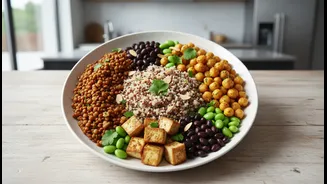
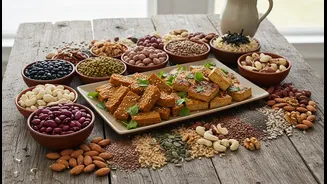
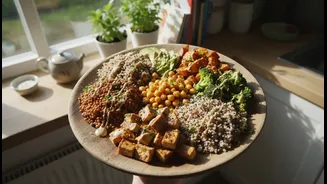
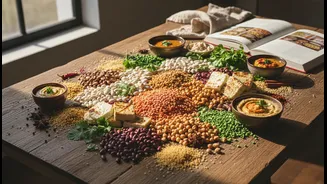
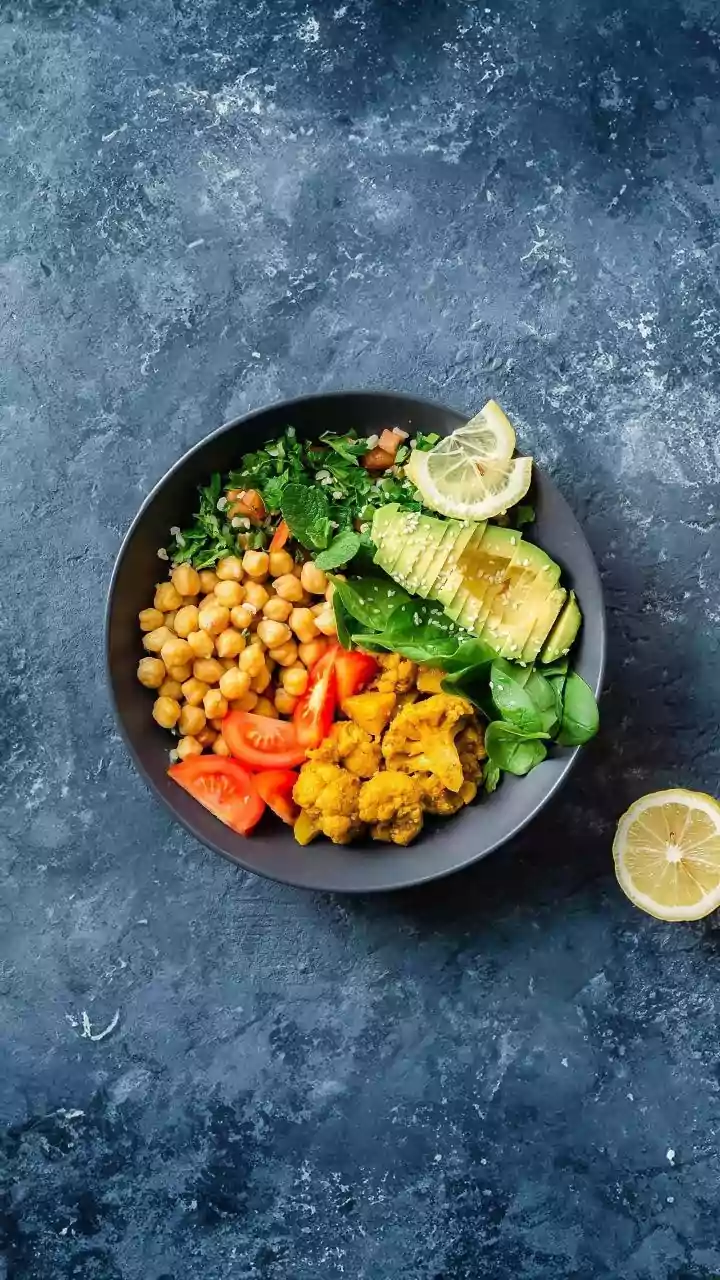
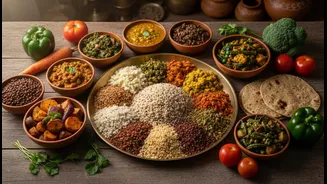
So, what does this mean for your diet? It means thinking beyond just the grams. For those who consume animal products, you can be fairly confident that the protein you eat is highly usable. For vegetarians and vegans, the key is variety and smart combinations. Combining foods like dal with rice or roti creates a complete amino acid profile, a practice long embedded in Indian cuisine. If you rely on plant-based protein powders, look for blends of different sources (like pea and rice) or those fortified with the specific amino acids that are typically lacking. Athletes and older adults, who have higher protein needs for muscle repair and maintenance, may benefit most from paying close attention to protein quality, ensuring they consume enough usable amino acids to meet their goals. Ultimately, it's not about ditching certain foods but about understanding how to make them work best for your body.