
More Than Just Weather
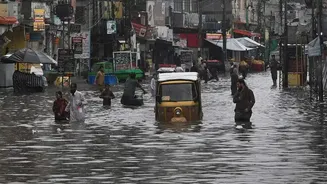
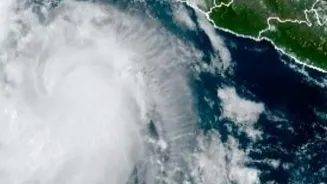
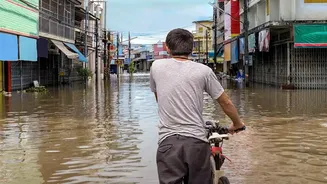
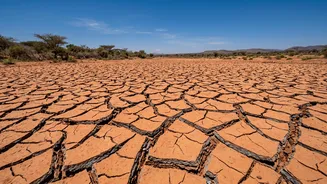
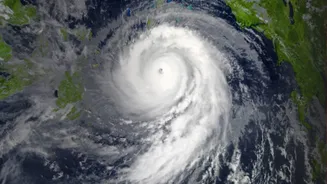
El Niño is a naturally occurring climate pattern characterized by the warming of surface waters in the central and eastern Pacific Ocean. This shift disrupts weather systems globally, often leading to drier, hotter conditions in parts of India while causing
intense rainfall and flooding in others. While it's a recurring phenomenon, the current event is developing against a backdrop of long-term global warming, which can amplify its effects. The World Health Organization (WHO) has already activated its highest level of emergency response, classifying the anticipated health impacts as a global health emergency and flagging India as a country at high risk.
The Direct Threat: Heat Stress and Water Scarcity
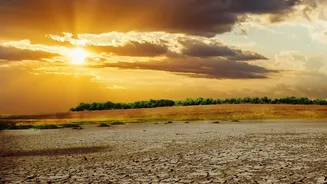
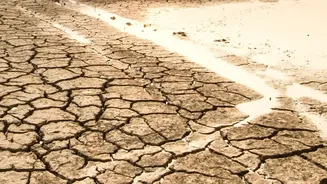
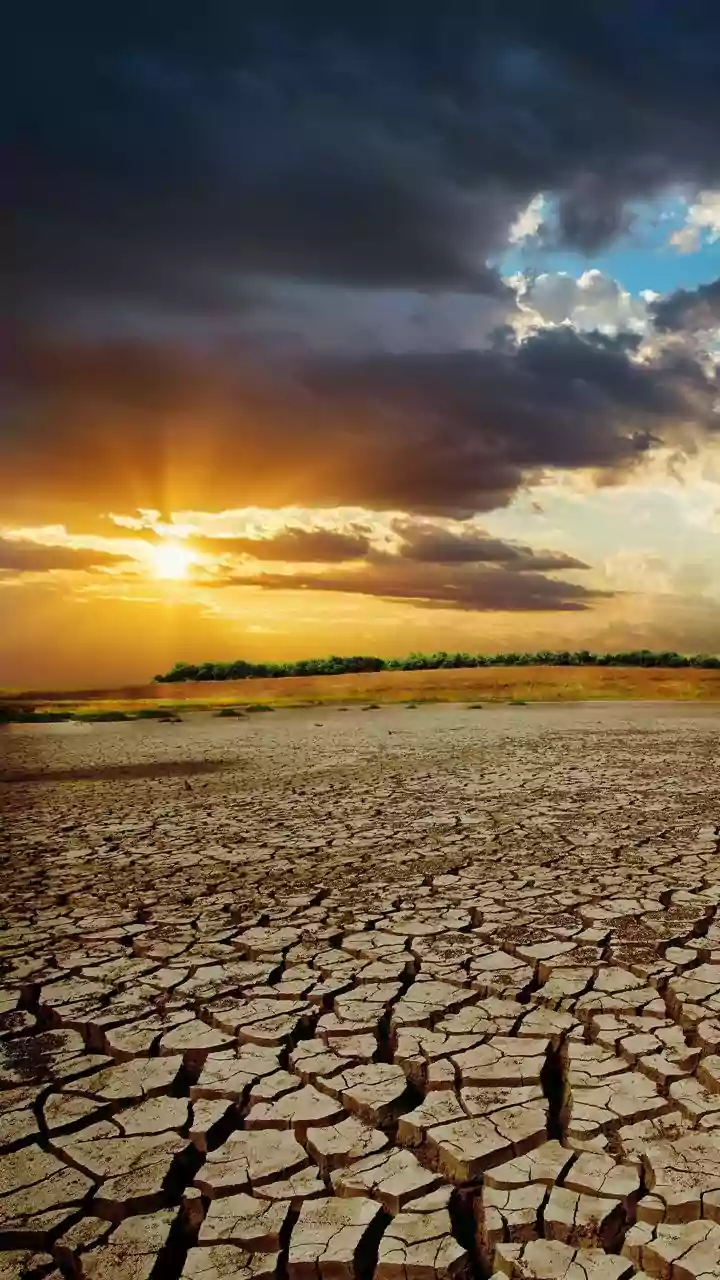
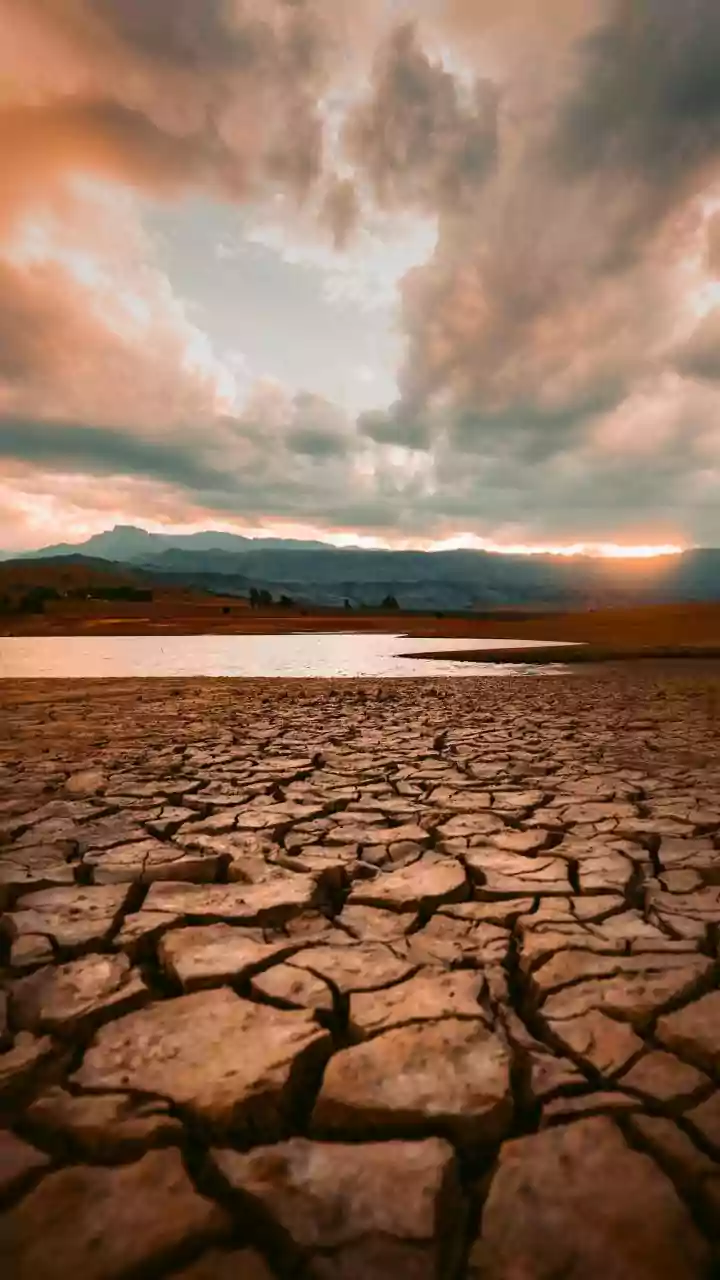
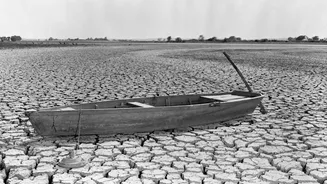
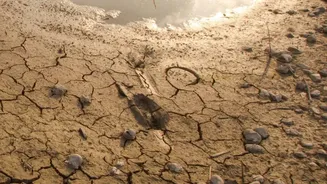
One of the most immediate health impacts of a strong El Niño is extreme heat. Prolonged heatwaves can lead to dehydration, heat exhaustion, and life-threatening heatstroke. These conditions place immense strain on the cardiovascular system and can worsen pre-existing conditions like heart, lung, and kidney disease. Vulnerable populations, including outdoor labourers, the elderly, children, and pregnant women, are at the highest risk. Simultaneously, El Niño-induced droughts can lead to severe water scarcity, impacting sanitation and increasing the risk of water-borne illnesses like cholera and typhoid as communities are forced to rely on unsafe water sources.
An Explosion of Vector-Borne Diseases
Changes in temperature and rainfall create ideal breeding conditions for mosquitoes, the vectors for several dangerous diseases. Warmer temperatures accelerate mosquito metabolism and shorten the incubation period for viruses like dengue, meaning more mosquitoes can become infectious faster. In India, health officials are concerned about a potential surge in dengue, malaria, and chikungunya. El Niño's erratic rainfall patterns are a double-edged sword: floods create new stagnant water breeding sites, while droughts force households to store water, often in open containers that become mosquito nurseries. Past El Niño events have been linked to significant spikes in these diseases across the globe.
Food Security and Malnutrition
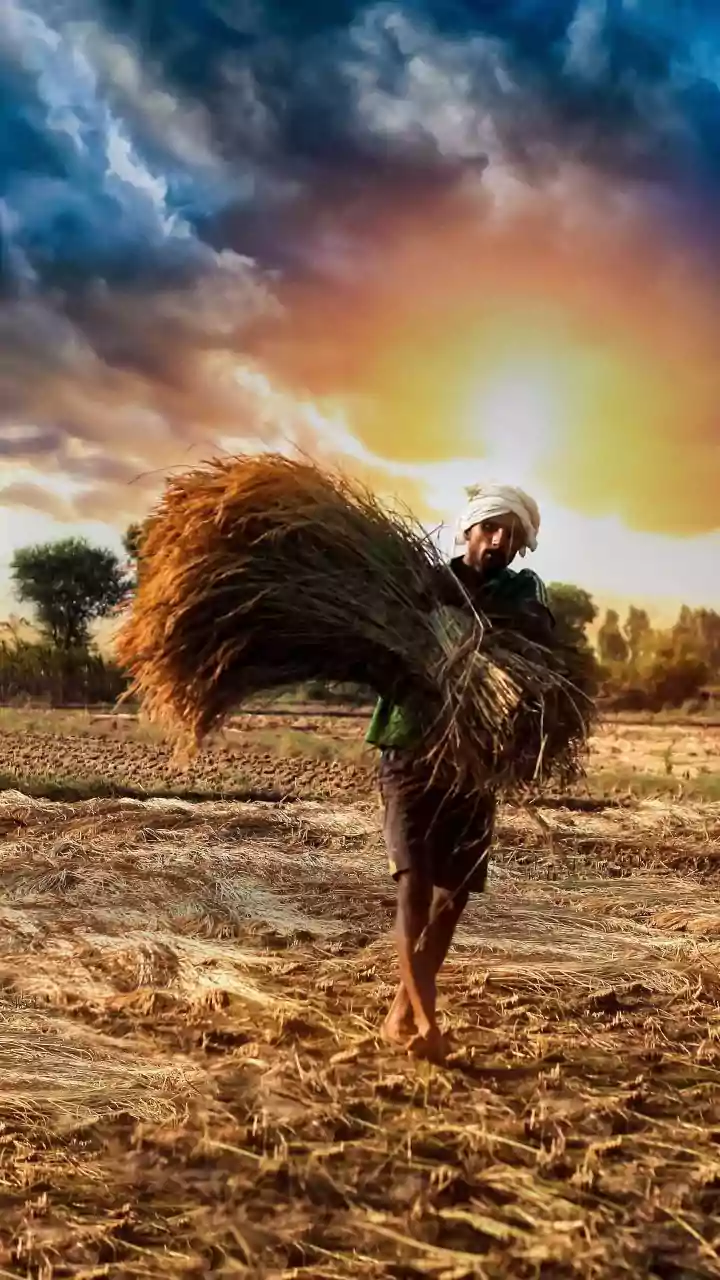
El Niño’s disruption of the monsoon is a serious threat to India's agricultural sector, which is heavily reliant on seasonal rains. Widespread drought can lead to crop failures, reducing food availability and driving up prices. This can trigger food insecurity and malnutrition, especially in rural communities dependent on agriculture. Malnutrition weakens the immune system, making people, particularly children and pregnant women, more susceptible to infectious diseases. The WHO has identified malnutrition as a 'very high' risk associated with the current El Niño, warning that it could compound existing food insecurity challenges.
A Call for Preparedness
Recognising the threat, health authorities in India are being urged to prepare. This involves integrating weather forecasts with public health surveillance to anticipate outbreaks, strengthening vector-control programs, and ensuring health facilities are ready for a surge in patients with heat-related illnesses. The Ministry of Health and Family Welfare has advised states to undertake district-wise risk assessments and update their emergency plans. Public awareness is also key; communities need timely information about how to protect themselves from heat, ensure food and water safety, and recognize symptoms that require medical attention. The goal is to turn forecasts into practical, life-saving actions before the worst impacts are felt.