









What is an Urban Heat Island?
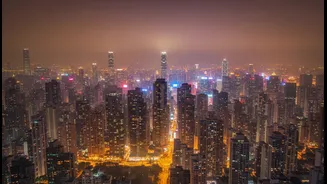
The urban heat island (UHI) effect is the name for a simple observation: cities are almost always hotter than their surrounding rural areas. This happens because of the way our cities are built. Concrete buildings, asphalt roads, and other dark surfaces
absorb and store the sun's heat throughout the day. Unlike natural landscapes with trees, soil, and water, which cool the air through shade and evaporation, our urban centres become vast reservoirs of heat. This stored warmth is then slowly released back into the atmosphere, particularly after sunset, which is why a city can remain several degrees warmer than the countryside well into the night. This effect is not minor; temperature differences can be as high as 5 to 12 degrees Celsius under specific conditions, like on clear, calm nights.
How Humidity Makes Nights Worse
While dry heat is uncomfortable, it's the combination of heat and high humidity that creates a particularly oppressive and dangerous situation, especially after dark. High humidity essentially hampers the city's ability to cool down. Humid air acts like a blanket, trapping the long-wave radiation (heat) that buildings and roads try to release at night. Furthermore, high moisture content in the air reduces the rate of evaporative cooling from any available surfaces. Research shows that this combination leads to significantly warmer nighttime temperatures and a smaller drop from the daytime high, keeping the heat index elevated around the clock. This means the body and the city itself get no respite, creating a continuous period of heat stress.
The Heavy Toll on Indian Cities
In India, where many major urban centres experience both high temperatures and monsoon-influenced humidity, this phenomenon is a growing public health concern. Cities like Mumbai, Chennai, Kolkata, and an increasingly humid Delhi are prime examples. Studies show that the number of dangerously humid heat days in India has been rising steadily. This is not just a matter of discomfort; it has serious health implications. The inability to cool down at night disrupts sleep, which affects everything from productivity to mental health. More seriously, sustained heat exposure increases the risk of heat exhaustion, heatstroke, and puts immense strain on the cardiovascular system. Vulnerable populations, including the elderly, children, outdoor workers, and those in low-income housing without access to air conditioning, are disproportionately affected.
A Compounding Environmental Challenge
The problem feeds on itself. Hotter cities lead to a greater demand for air conditioning, which consumes more electricity. This increased energy consumption often relies on fossil fuels, contributing to the very greenhouse gas emissions that worsen climate change. Furthermore, the elevated temperatures in urban areas can accelerate the chemical reactions that form ground-level ozone, a major component of smog. This means that on top of the heat stress, residents also face worsening air quality, which can aggravate respiratory conditions like asthma. As India's urban population continues to grow, the UHI effect, amplified by humidity, is set to become an even more critical challenge for urban planners and public health officials.
Designing Cooler, More Liveable Cities
While the situation is serious, it is not hopeless. Cities around the world, and increasingly in India, are looking at solutions to mitigate the urban heat island effect. One of the most effective strategies is increasing green cover. Planting more trees, creating parks, and installing 'green roofs' covered in vegetation provide shade and promote natural cooling through evapotranspiration. Another key approach involves using 'cool' materials. This includes reflective coatings for roofs and pavements that absorb less of the sun's energy. Smarter urban planning that avoids creating 'urban canyons'—narrow streets between tall buildings that trap heat and block wind—is also crucial. By integrating these nature-based and technological solutions, cities can begin to push back against the heat and create healthier environments for their residents.