


The Science of Soggy Snacks
The battle between crispiness and humidity comes down to a scientific principle called hygroscopy. Dry, porous foods like crackers, chips, and many of our favourite fried Indian snacks are naturally hygroscopic. This means they have a powerful tendency
to attract and absorb water molecules directly from the surrounding air. When a food is cooked, particularly through frying or baking, water is driven out, creating a rigid, brittle structure full of tiny air pockets that gives it that signature crunch. However, this ultra-dry state is unstable. Nature seeks balance, so these foods will try to reach equilibrium with the moisture level in the air. On a humid day, the air is thick with water vapour, and your crispy snacks act like a sponge, pulling that moisture in. As the water molecules are absorbed, they soften the food's internal structure, turning that once-delightful snap into a sad, chewy texture.
Your Pantry's Most Vulnerable Items
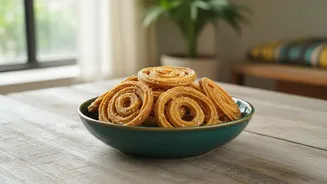
While most dry goods are susceptible, some are more prone to losing their crunch than others. Anything that is fried or baked to a low moisture content is a prime candidate. In an Indian kitchen, this includes a wide array of beloved items. Freshly made pakoras and samosas, with their crispy shells, will soften as they cool in a humid room. Packaged snacks are just as vulnerable once opened. Bags of potato chips, chakli, murukku, and various sev and bhujia mixtures are designed to be extremely dry. The moment the seal is broken, they begin their fight against atmospheric moisture. Biscuits and crackers are also classic victims, as their starchy structure readily absorbs water, causing them to go soft. Even papads, if left out after roasting or frying, can lose their crispness in a high-humidity environment.
Smart Storage: Your Best Defence
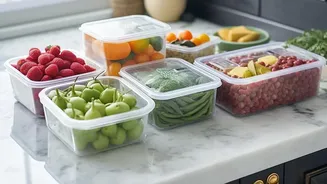
Since you can’t change the weather, the key to preserving crunch is to create a controlled environment for your food. The single most important tool in your arsenal is an airtight container. By sealing foods away, you limit the amount of moist air they are exposed to. When you place crispy items in a sealed container, they only have to contend with the small amount of air trapped inside. For best results, choose containers made of glass, metal, or high-quality plastic with a strong, secure seal. It’s also crucial to let freshly cooked fried foods, like samosas or pakoras, cool completely on a wire rack before storing them. Storing them while still warm traps steam, which will condense into water and make them soggy from the inside out. Storing your containers in a cool, dark place like a pantry, away from heat sources like the stove, also helps maintain freshness.
Emergency Measures: How to Revive Stale Snacks
If humidity has already won a battle, don't throw in the towel. You can often bring stale snacks back to life by gently reheating them to drive out the absorbed moisture. Spreading chips, crackers, or bhujia in a single layer on a baking sheet and placing them in a low-temperature oven (around 100-120°C) for a few minutes can work wonders. Keep a close eye on them to prevent burning. An air fryer is another excellent tool for this task; a minute or two at around 150°C is often enough to restore crispiness to potato chips and similar snacks. A microwave can also work for some items like chips in a pinch, heating them for a minute or two can help remove moisture. Once you’ve revived your snacks, be sure to let them cool completely before storing them in an airtight container to enjoy later.