



The Bright Intruder: July’s Full Moon
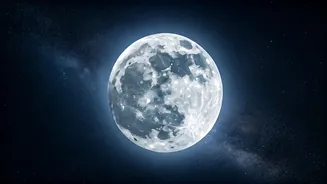
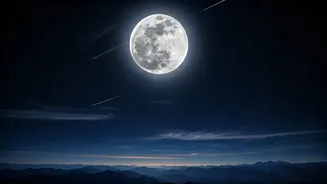
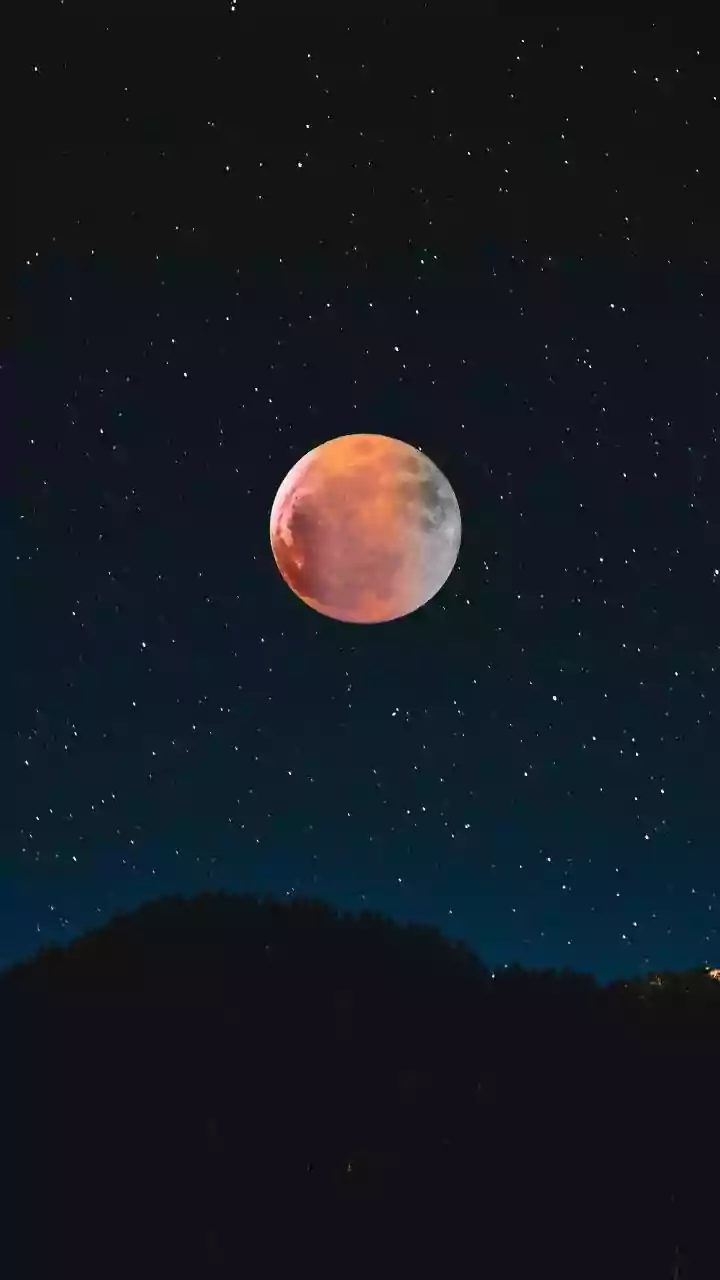
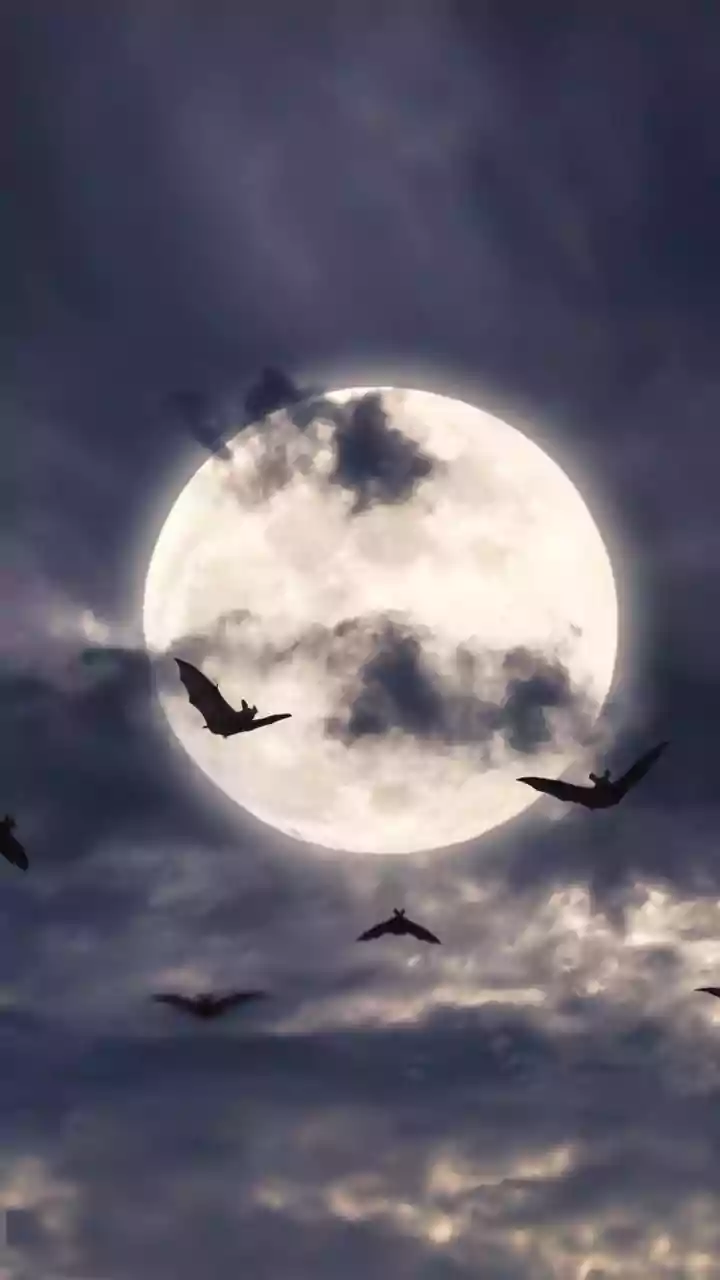
The main issue for stargazers this month is the full Buck Moon, which reaches its peak illumination on Wednesday, July 29, 2026. While a full moon is a stunning sight, its intense brightness acts like natural light pollution. It casts a glow across the night
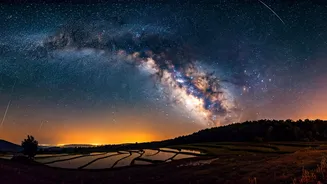
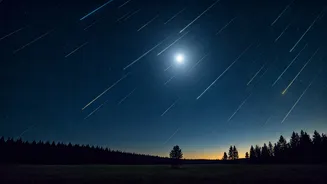
sky that washes out fainter objects, much like city lights do. This makes it incredibly difficult to see dimmer stars, distant nebulae, and, most importantly for late July, the faint streaks of meteor showers. The nights immediately surrounding the full moon, both before and after, will also be significantly impacted by its light.
The Main Events: Two Meteor Showers Peak
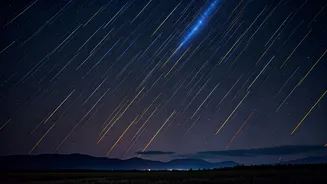
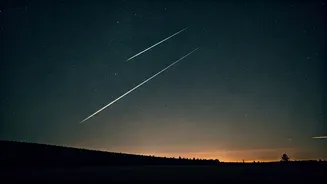
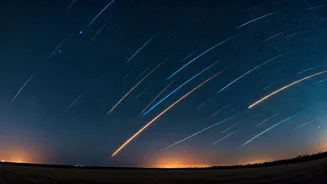
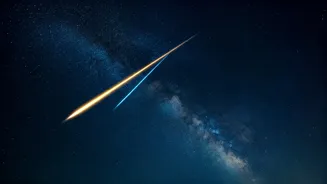
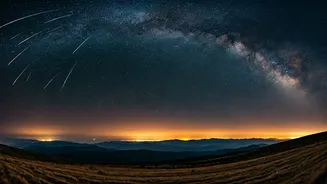
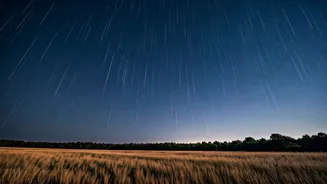
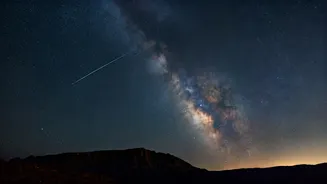
Late July is typically a fantastic time for meteors, as two distinct showers become active: the Southern Delta Aquariids and the Alpha Capricornids. The Southern Delta Aquariids are active from mid-July to late August and are known for a steady stream of meteors, potentially producing up to 25 per hour in ideal, dark conditions. The Alpha Capricornids, active from early July to mid-August, are less prolific, offering only about five meteors per hour. However, what they lack in quantity, they make up for in quality; this shower is famous for producing an impressive number of bright, slow-moving fireballs that can light up the sky.
A Clash in the Heavens
Here's the problem: both of these meteor showers are set to reach their peak activity on the night of July 30-31, 2026. This is just one day after the full moon on July 29. On the peak night of the showers, the moon will be 98% full, meaning the sky will be severely compromised by bright moonlight all night long. This unfortunate timing means that the faint meteors of the Delta Aquariids will be almost entirely washed out, and viewing will be difficult for all but the most brilliant fireballs from the Alpha Capricornids.
How to Stargaze Anyway: A Game Plan
Don't cancel your stargazing plans just yet. While conditions are far from perfect, a determined observer can still catch some celestial action. First, manage your expectations; you won't see dozens of meteors. Instead, focus on the potential for a few spectacular fireballs from the Alpha Capricornids, which are bright enough to pierce through the moonlight. Your best strategy is to find the darkest possible location, far from city lights. Lie back and give your eyes at least 20 minutes to adjust to the darkness. Try to position yourself so the moon is behind a building or a hill to reduce its direct glare. While the peak is compromised, you can also try looking a week before the peak, when the moon is less of a factor.
Beyond the Meteors: What Else to See
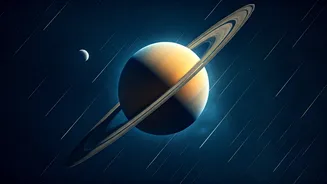
If the meteors prove too elusive, turn your attention to other celestial objects that can stand up to the moonlight. Bright planets like Jupiter and Saturn, if visible, are excellent targets. You can also learn to identify the brightest stars and major constellations, which form the basic architecture of the night sky; the moonlight actually helps by hiding the fainter, more confusing stars. And of course, you can observe the moon itself. A pair of binoculars or a small telescope will reveal stunning details of its craters and seas, which are beautifully illuminated when the moon is full. You can also look for the famous Summer Triangle asterism, made of the bright stars Vega, Deneb, and Altair.