
A Hearty Start with Millet Upma
Swap out your usual sooji for jowar or kodo millet rava to create a wholesome and filling upma. The preparation is nearly identical to the classic recipe. Start by sautéing mustard seeds, curry leaves, onions, and your favourite vegetables. Once the vegetables are
cooked, add boiling water and slowly stir in the jowar rava to avoid lumps. Cover and cook until the grain is soft and has absorbed all the water, which typically takes about 10 to 15 minutes. This gluten-free breakfast is not only rich in fibre but also offers a sustained release of energy, keeping you full and active through the morning. For a different texture, you can even use whole jowar grains, but be sure to soak them for at least 8 hours and pressure cook them before adding to the pan.
Soft Idlis and Crispy Dosas
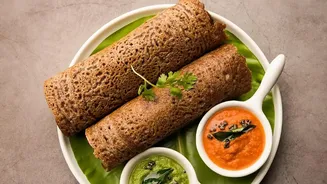
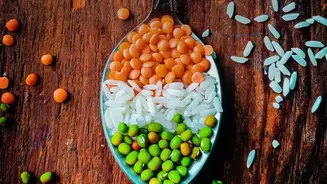
Introduce the nutritional power of ragi (finger millet) to your South Indian staples. You can easily adapt your regular idli and dosa batter by replacing some or all of the rice with ragi flour or whole ragi grains. A common ratio is to blend soaked urad dal with ragi and a small amount of rice or poha to ensure a soft texture. Allow the batter to ferment for 6-8 hours, just as you normally would. The result is wonderfully soft idlis and crisp, earthy dosas that are rich in calcium and iron. These make for an incredibly healthy and satisfying breakfast or tiffin. You can use the same principle with other millets like foxtail or little millet for variety.
Nourishing Porridges and Khichdis
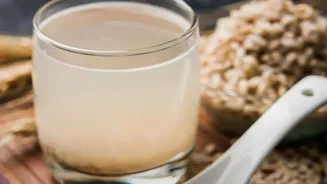
Millets are perfect for creating comforting one-pot meals. Bajra (pearl millet) khichdi is a Rajasthani winter classic, known for its warming properties. Cooked with moong dal and a ghee tadka, it’s a deeply satisfying and nutritious dish. For a quicker meal, porridges made from ragi or jowar flour are excellent options. Simply make a paste with the flour and water, then whisk it into boiling water or milk and simmer until thickened. This can be made savoury with salt and spices or sweet with jaggery and cardamom, making it a versatile meal for any time of day.
Baking and Sweet Treats
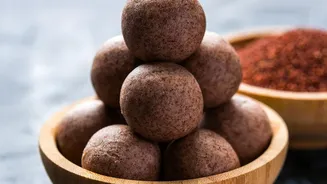
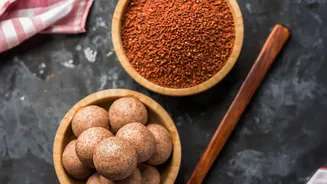
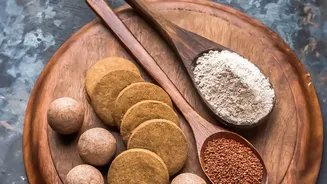
Don’t just limit millets to savoury dishes. Their flours can be fantastic in baking, lending a unique, nutty flavour to cakes, cookies, and breads. Ragi flour, with its rich colour, works wonderfully in chocolate cakes and brownies, creating a dense, moist crumb. Jowar flour can be used to make delicious cookies and Indian-style biscuits that pair perfectly with chai. You can also make traditional sweets like ragi laddus, which are a powerhouse of calcium and require no frying. These healthy desserts are a great way to satisfy your sweet cravings without the guilt.
Wholesome Snacks and Appetizers
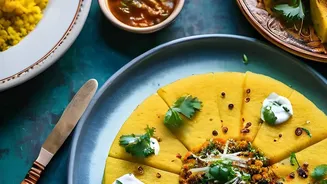
Millets can transform your snack time. Instead of besan, use a mix of jowar and ragi flour to make crispy and nutritious cheelas or savoury pancakes. Just add your favourite chopped vegetables, spices, and a little curd to the batter. You can also make healthy cutlets by mixing cooked foxtail millet with mashed sweet potato and vegetables, then pan-frying them until golden. For a steamed, oil-free snack, try making muthias or dumplings using jowar or bajra flour with grated vegetables. These options are packed with fibre and nutrients, making them a much smarter choice than their deep-fried counterparts.