
The Allure of a Rainforest Drive
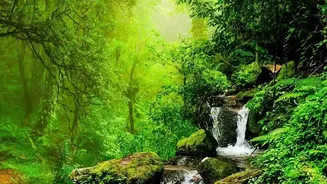
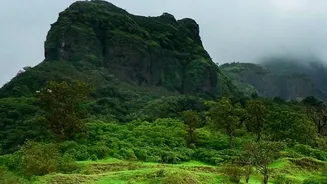
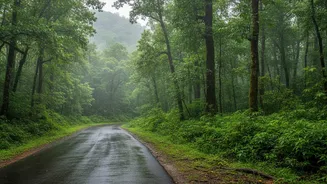
Agumbe, nestled in the Western Ghats, becomes a paradise in the monsoon. The region receives some of the highest rainfall in Karnataka, turning the landscape into a vibrant canvas of emerald green. Waterfalls like Barkana Falls and Jogi Gundi Falls, fed
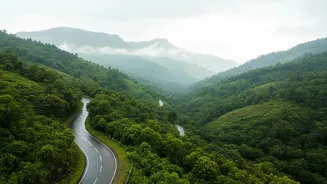
by the incessant rains, roar back to life, offering spectacular sights for those willing to make the journey. The drive itself is the main attraction for many, with winding roads cutting through dense forests and clouds that descend to kiss the tarmac. It’s an immersive experience into the heart of a rain-soaked ecosystem, but one that demands complete respect for the conditions.
Essential Pre-Trip Vehicle Checks
Before you even think of hitting the road, a thorough vehicle inspection is non-negotiable. Pay close attention to your tyres; they must have sufficient tread depth to handle the slippery, rain-slicked roads and prevent skidding. Your brakes will be under immense strain on the steep descents of the ghat sections, so ensure they are in optimal condition. Equally crucial are your wiper blades – old, worn-out wipers are a serious hazard in a heavy downpour. Finally, check that all your lights, especially headlights and fog lamps, are functioning perfectly to ensure you can see and be seen in low-visibility conditions.
Navigating the Agumbe Ghat
The final stretch to Agumbe includes the infamous ghat section on National Highway 169A, known for its narrow roads and numerous hairpin bends. During the monsoon, this section becomes particularly high-risk due to dense fog, which can reduce visibility to almost zero in an instant. Drivers must reduce speed significantly and honk at every blind curve to alert oncoming traffic. It's also a common rule of thumb to give way to vehicles driving uphill, as they require more momentum. Due to the risk of landslides, authorities often ban heavy vehicles on this route during peak monsoon, which can make the drive smoother for cars but underscores the existing dangers.
On-the-Road Monsoon Driving Techniques
Wet roads dramatically increase your car's stopping distance, so it's vital to double your following distance from the vehicle ahead. Avoid sudden acceleration or braking, as this can lead to a loss of control. When descending the steep ghats, rely on engine braking by shifting to a lower gear rather than constantly riding the brakes. This technique helps keep your brakes cool and effective. Be extremely cautious of waterlogged patches; if you must drive through water, do so slowly in first gear to prevent your engine from stalling. If the rain becomes too heavy and visibility drops, the safest option is to pull over in a secure spot and wait for conditions to improve.
Staying Alert for Natural Hazards
The monsoon-soaked hills of the Western Ghats are prone to landslides. Stay vigilant for warning signs such as rumbling sounds, cracking trees, or sudden changes in stream water from clear to muddy. Recent reports indicate that some areas along the Agumbe Ghat are experiencing slow soil slippage, particularly around the hairpin curves, and some stretches have missing or damaged safety barriers. Uprooted trees blocking the highway are also a common occurrence after strong winds. Never attempt to cross a stretch of road that shows signs of a landslide; it is always safer to turn back or wait for authorities to clear the way.
Packing and Planning Your Journey
The drive from Bangalore to Agumbe typically takes around 7-8 hours. Popular routes pass through Hassan and Belur or via Shimoga and Thirthahalli. Given the challenging conditions, it is wise to start your journey early to ensure you complete the ghat section in daylight. Mobile connectivity can be patchy, so carrying a physical map or an offline version is a sensible precaution. Pack a monsoon emergency kit including a first-aid box, a powerful torch, extra food, drinking water, and waterproof gear. Many travellers stay in local homestays like the famous Doddamane from the 'Malgudi Days' series, offering an authentic Malnad experience.