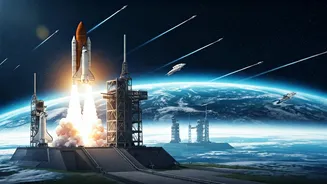




A New Race with New Rules
The original Space Race was a two-horse contest, a clear ideological battle between the United States and the Soviet Union. Today, the field is crowded, and the motivations have shifted from pure political prestige to strategic and economic imperatives.
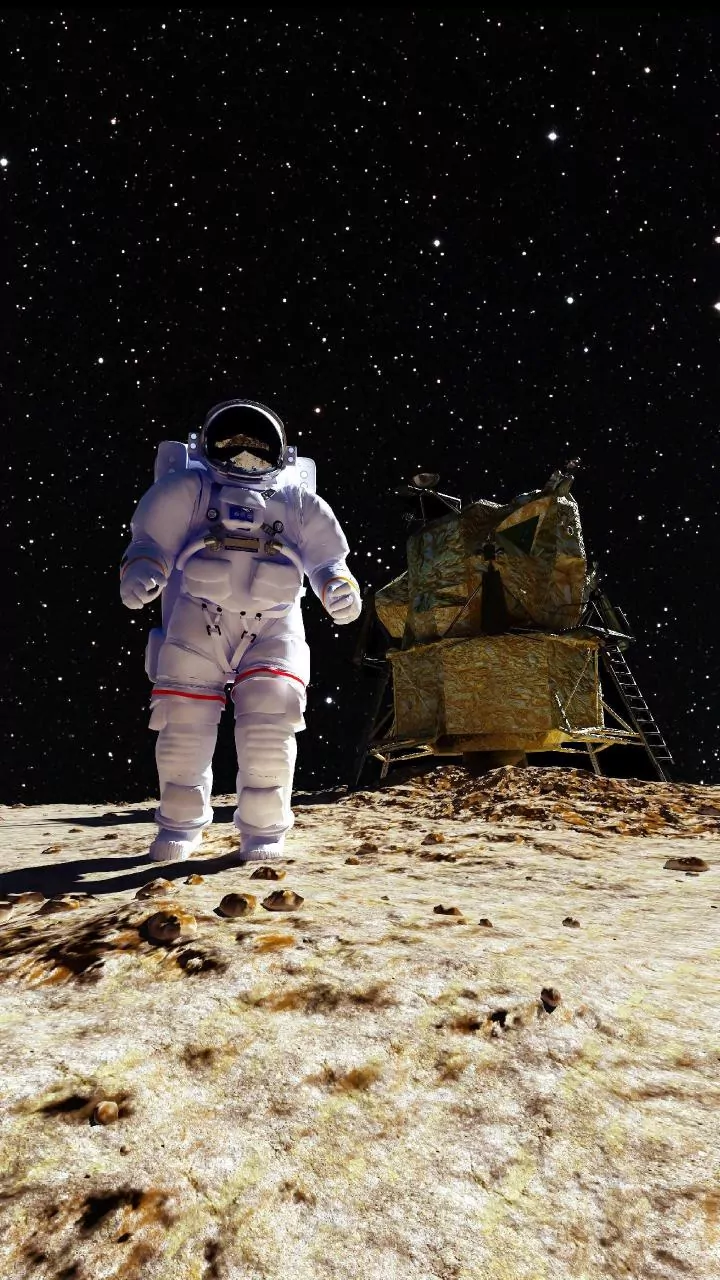
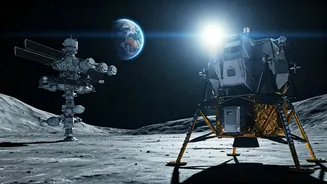
[5, 19] The new race is multipolar, featuring established powers like the U.S. and Russia alongside a formidable China, a rising India, and ambitious private companies such as SpaceX and Blue Origin. [3, 14] This modern competition is less about a single finish line and more about securing long-term advantages in a domain critical to the global economy, military operations, and communications. [5, 11] While cooperation exists, geopolitical blocs are forming, most notably around the U.S.-led Artemis Accords and the competing China-Russia International Lunar Research Station (ILRS). [3, 5] As of mid-2026, over 60 nations have signed the Artemis Accords, which aim to establish principles for peaceful and sustainable space exploration. [6, 8]
The Red Planet Beckons
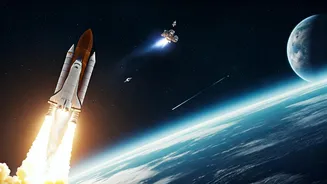
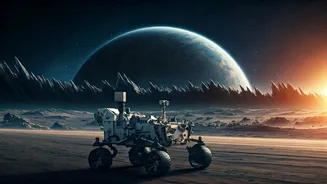
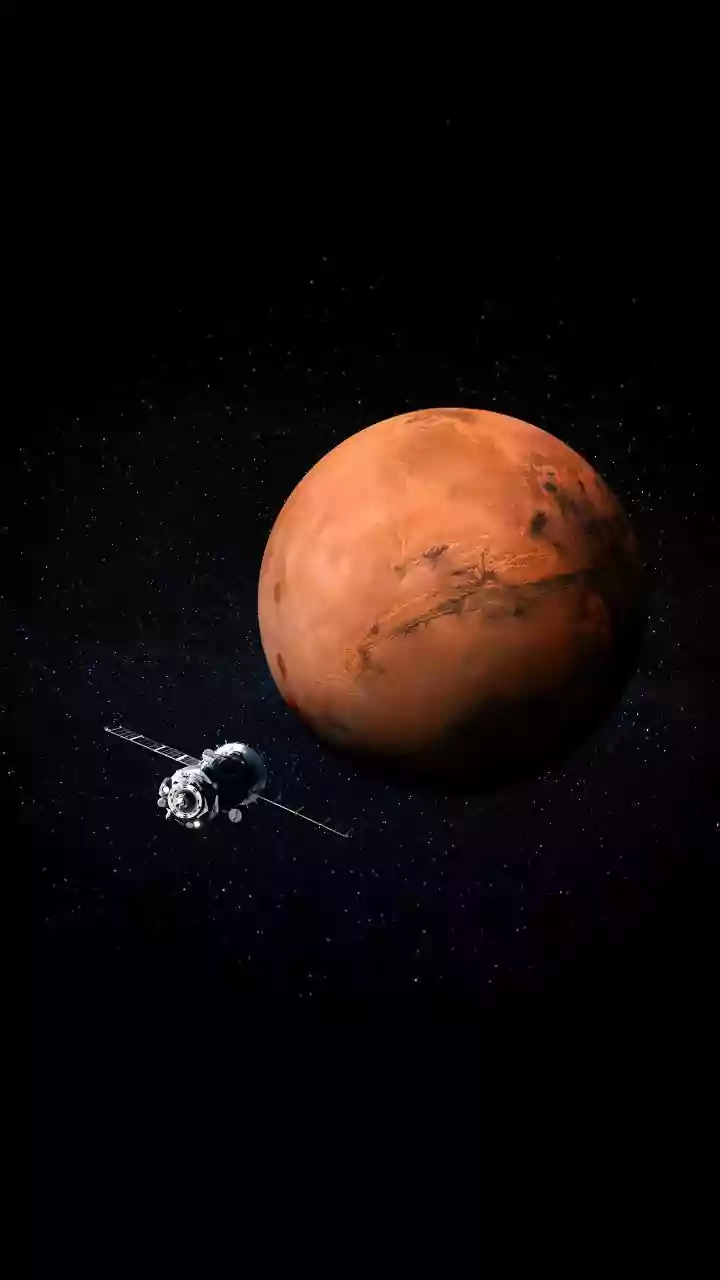
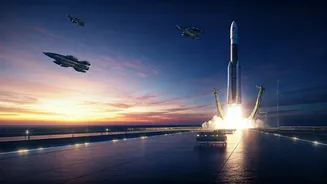
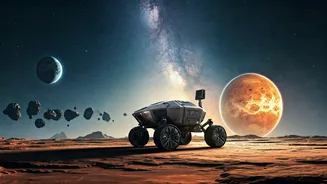
While a return to the Moon is a key objective, for many, the ultimate prize is Mars. Both national agencies and private visionaries are setting their sights on the Red Planet. NASA's Artemis program explicitly frames the Moon as a stepping stone for eventual human missions to Mars. [9, 39] China has also outlined ambitious long-term plans, aiming to send astronauts to the Moon by 2030 and then use that experience for Martian exploration. [18, 34] Chinese plans include a mission to retrieve Martian samples around 2031. [35] The country's Tianwen missions represent a determined, step-by-step approach to interplanetary exploration. [15, 35] Alongside government efforts, private enterprise, most notably SpaceX, is a major driver of the Mars-ward push, developing heavy-lift reusable rockets with the explicit goal of establishing a human settlement there. [27]
A Celestial Gold Rush
The new competition isn't just for territory, but for resources. The Moon and asteroids are now viewed as vast, untapped reservoirs of valuable materials. [14] The lunar surface is believed to hold significant quantities of water ice, especially in the permanently shadowed craters of the south pole. [33, 42] This water can be used for life support or split into hydrogen and oxygen, creating rocket fuel in space—a game-changer that could drastically reduce the cost of deep space missions. [42] The Moon also contains an abundance of Helium-3, a rare isotope on Earth that could fuel future nuclear fusion reactors, potentially solving humanity's energy needs for thousands of years. [22, 33, 41] Beyond the Moon, near-Earth asteroids are rich in platinum-group metals, nickel, and cobalt, with concentrations that may dwarf terrestrial deposits. [4, 20] As launch costs plummet, companies are already developing technologies to make asteroid mining a commercial reality. [4, 20, 29]
The Rise of New Powers
This era is defined by the diversification of space-faring nations. India, through its Indian Space Research Organisation (ISRO), has emerged as a major player, renowned for its cost-effective and highly successful missions. [10, 12] The triumphant Chandrayaan-3 landing near the lunar south pole in 2023 made India the first nation to achieve this feat and only the fourth to land on the Moon. [10, 23] By liberalizing its space sector and encouraging private startups, India aims to capture a larger share of the $100 billion global space industry. [7] India's decision to join the Artemis Accords further solidifies its position as a critical partner in the U.S.-led bloc and a key global player. [7, 8] Other nations like the United Arab Emirates and Japan are also making significant contributions, demonstrating that access to space is no longer the exclusive domain of a few superpowers. [3, 14]
The Strategic High Ground
Underpinning all of this activity is the recognition that space is the ultimate strategic high ground. Dominance in space offers unparalleled advantages for military surveillance, communications, and navigation on Earth. [11, 21, 25] The proliferation of large satellite constellations, like SpaceX's Starlink, highlights the dual-use nature of space technology, providing global internet while also having significant national security applications. [5, 21] As nations and corporations establish a presence on the Moon and beyond, they are not just exploring; they are creating facts on the ground—or in orbit. [19] The establishment of bases, the control of resources, and the ability to operate freely in space are becoming crucial elements of national power in the 21st century, transforming the quiet expanse above us into a bustling and competitive geopolitical arena. [19, 25]