
A Sweet Surrender No More
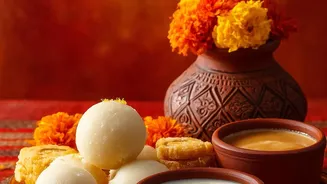
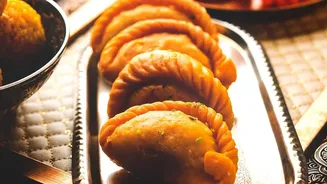
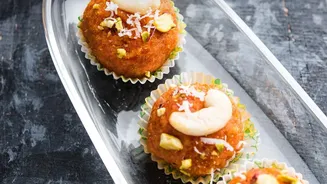
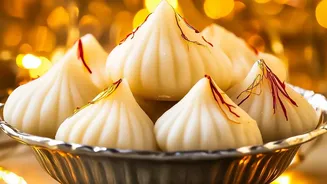
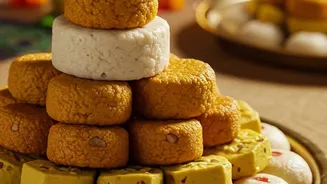
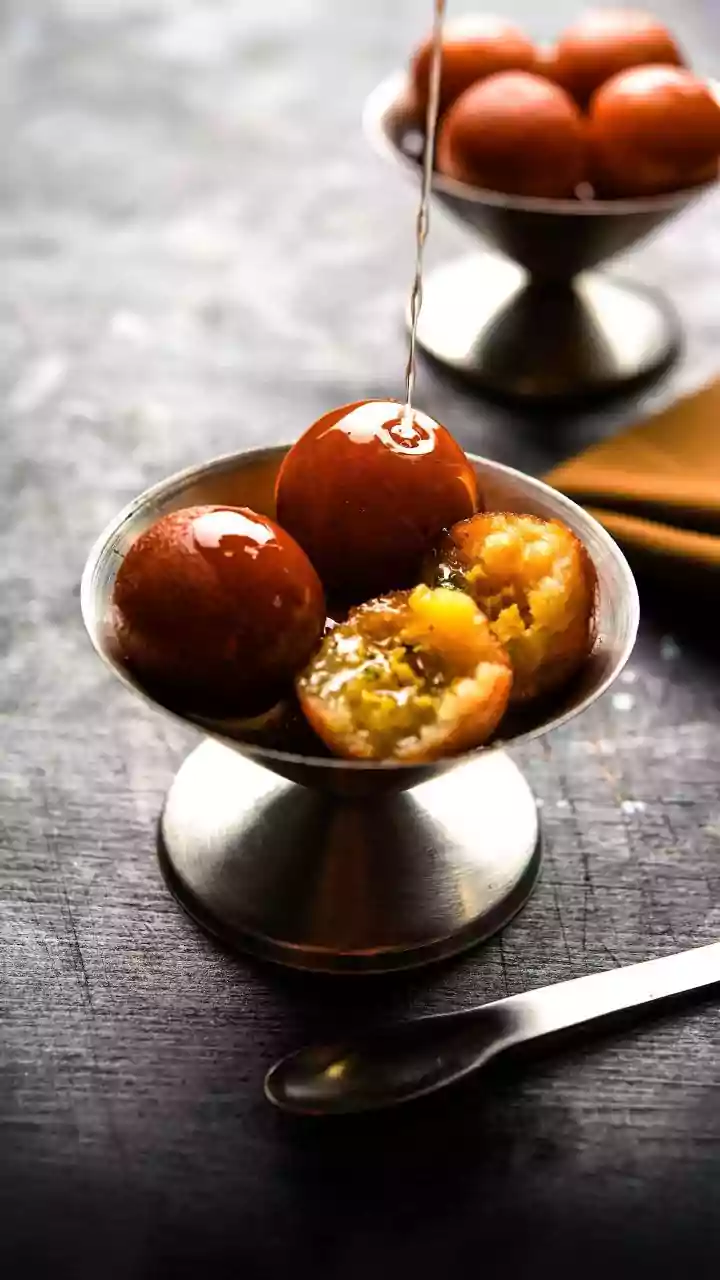
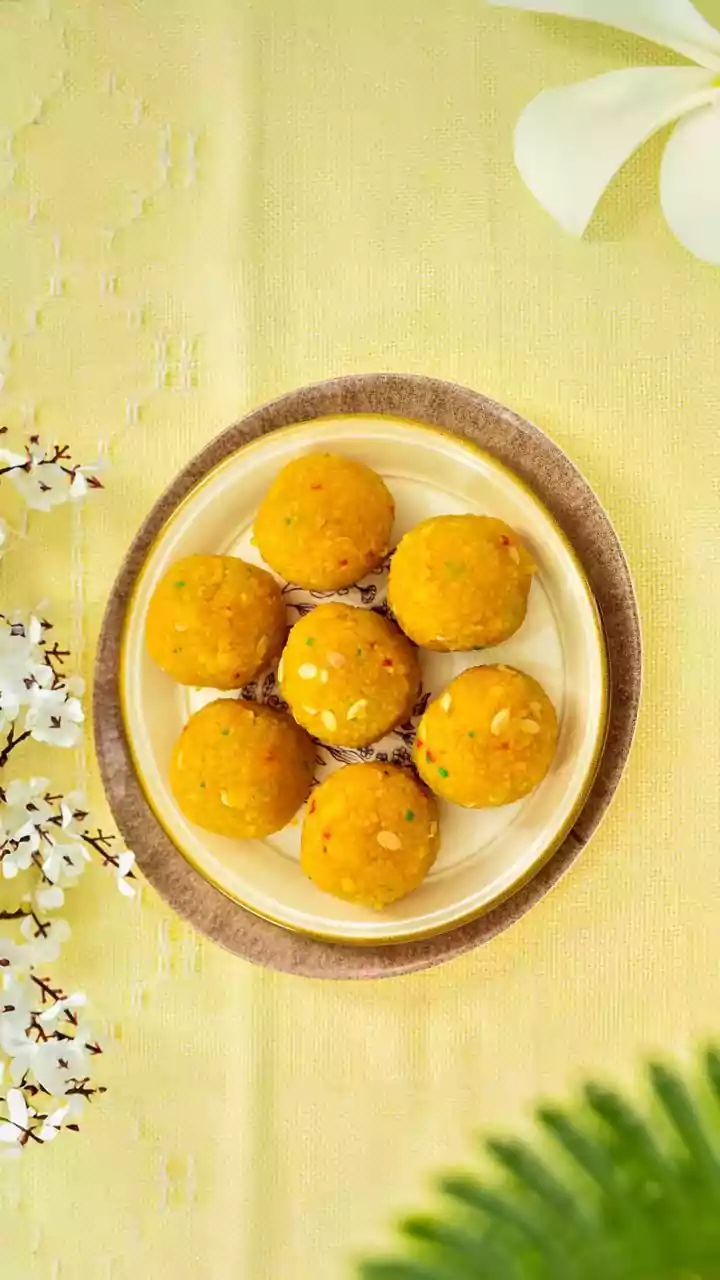
For generations, Janmashtami celebrations have been synonymous with an abundance of rich, sugary sweets offered as ‘bhog’ to Lord Krishna and shared among loved ones. Delicacies like Panjiri, Makhan Mishri, and various laddoos are central to the festivities.
However, a growing awareness around health and wellness has created a cultural dilemma: how to indulge in these cherished traditions without the associated sugar overload? Many are no longer willing to make the trade-off, seeking ways to celebrate that align with a healthier lifestyle. This shift has paved the way for innovation in the festive kitchen, moving away from refined sugar towards more wholesome alternatives.
The Youth-Led Culinary Revival
At the forefront of this change are young Indians, from home cooks and food bloggers to informal community groups. This generation is deeply connected to its cultural roots but is also digitally savvy and health-conscious. They are not discarding old family recipes but are actively adapting them. Armed with information from the internet and a desire for balance, they are experimenting with natural sweeteners and alternative ingredients that don't compromise on flavour. This movement is less about formal 'collectives' and more a widespread cultural current, where ideas are shared on social media and family kitchens become labs for culinary reinvention, ensuring traditions evolve and stay relevant.
Tradition Remixed: What’s on the Menu?
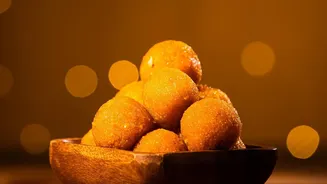
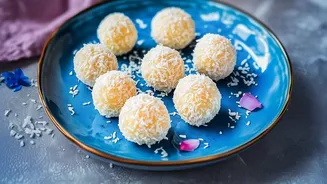
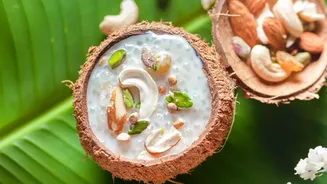
The results of these experiments are both delicious and inspiring. Traditional Dhaniya Panjiri is being prepared with powdered jaggery or date paste instead of white sugar. Laddoos, a festive staple, are being reimagined using figs (anjeer), dates, and nuts, which provide natural sweetness and a boost of nutrients. Even milk-based sweets like Kheer and Shrikhand are getting a modern makeover, sweetened with stevia, monk fruit, or a puree of dates, and prepared with low-fat milk or almond milk. Popular recipes now include Coconut Laddoos made with coconut sugar, and Makhana Kheer, which offers a light yet satisfying end to a festive meal.
Preserving Culture, Not Just Calories
This trend is about more than just cutting calories; it's a profound statement about cultural preservation. By making festive foods more accessible to those with dietary restrictions, like diabetes, or simply those who prefer a healthier lifestyle, these young innovators are ensuring that everyone can partake in the joy of the festival. It signals a move towards mindful celebration, where the spiritual and communal essence of the festival is enhanced, not diminished, by a focus on well-being. This adaptation ensures that cherished culinary traditions are not just remembered but are actively practiced and passed down, full of the same love and devotion, just with a little less sugar.