




Rethinking the Indian Plate
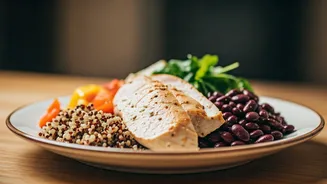
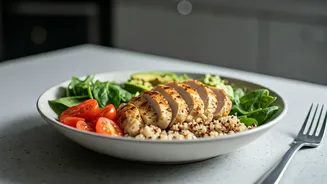
For years, the conversation around high-protein diets seemed to exclude the vibrant, diverse world of Indian cuisine, focusing instead on grilled chicken and salads. This overlooks a crucial fact: the Indian pantry is a treasure trove of protein. From
a vast array of dals and legumes to dairy like paneer and curd, our staples are naturally protein-dense. The challenge isn't a lack of ingredients, but a matter of proportion and combination. A typical thali, while delicious, often leans heavily on carbohydrates, with protein sources playing a smaller role. By simply adjusting the balance on your plate—prioritising protein-rich components over excess grains—you can significantly boost your intake without sacrificing familiar flavours.
The Power of Smart Pairing
One of the most effective strategies is mastering the art of 'complementary proteins'. Many plant-based proteins, on their own, do not contain all nine essential amino acids. However, Indian culinary wisdom has been combining them for centuries to create complete proteins. The classic pairing of dal and rice (or roti) is a perfect example. Legumes are rich in the amino acid lysine, which grains often lack, while grains provide methionine, which is lower in legumes. Together, they form a complete protein profile that supports muscle repair and growth. This principle extends beyond dal and rice. Think rajma-chawal, moong dal chilla with paneer stuffing, or a multigrain roti served with a chickpea curry. These combinations ensure you're getting higher quality protein in every meal.
Your Protein-Packed Grocery List
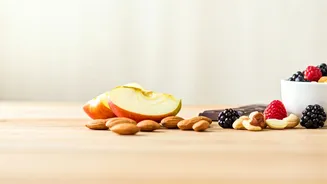
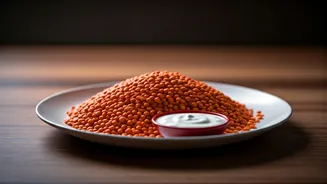
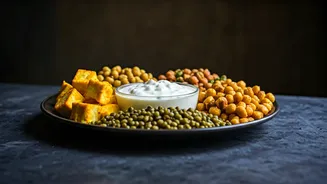
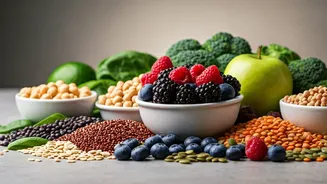
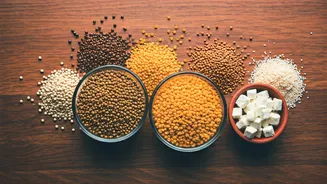
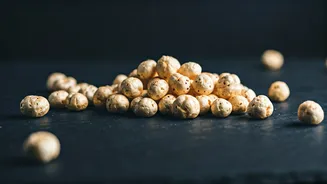
Building a high-protein Indian diet starts with smart shopping. Focus on these powerhouse staples. Dals and legumes like moong, masoor, chana, and rajma are foundational. Soya chunks, often called 'vegetarian meat', offer an exceptionally high amount of protein. In the dairy aisle, paneer, Greek yogurt, and even homemade curd are excellent choices. Don't forget about nuts and seeds; a handful of almonds or a sprinkle of pumpkin or hemp seeds can add a significant protein boost to any dish. For non-vegetarians, eggs, lean chicken, and fish are fantastic additions that can be easily incorporated into classic preparations like curries and bhurjis.
Building a Better Thali
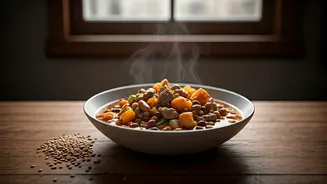
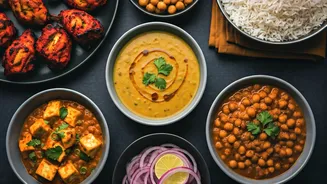
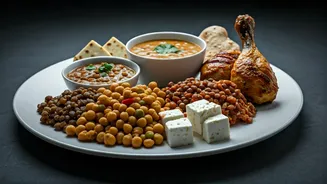
Transforming your daily meals into high-protein plates is easier than you think. The single most effective change you can make is to feature two protein bowls instead of one. Imagine a thali with a serving of masoor dal alongside a chana masala curry. Accompanied by a portion of palak paneer, a small bowl of curd, a sprouted salad, and just one or two whole-wheat rotis, this single meal can deliver a substantial amount of your daily protein needs. Traditional meals like moong dal chilla for breakfast, a hearty rajma curry for lunch, and a light lentil soup for dinner are all excellent ways to spread your protein intake throughout the day, which helps with satiety and stabilises energy levels.
Beyond the Obvious Benefits
A diet rich in protein does more than just build muscle. It plays a crucial role in weight management by increasing feelings of fullness, which can help reduce overall calorie consumption. Protein also helps stabilise blood sugar levels, preventing the sharp spikes and crashes that lead to cravings. Furthermore, it is essential for supporting a healthy immune system and repairing tissues throughout the body. By integrating more protein into your diet using familiar Indian staples, you're not just adopting a fitness trend; you are tapping into a more balanced and nourishing way of eating that supports long-term health and well-being.