







What Are Native Plants?
Native plants are species that have grown and evolved in a specific region for thousands of years without any human intervention. In India, this includes a vast and diverse range of flora, from the mighty Neem and Peepal trees to vibrant flowers like
Marigolds and fragrant Jasmines. These plants are the original inhabitants of our local landscapes, perfectly sculpted by millennia of adaptation to the specific soil, rainfall, and temperature patterns of their home region. When you plant a species native to your area, you are essentially choosing a plant that already knows how to survive and thrive right where you live.
Built to Brave Indian Weather
One of the most compelling reasons to choose native plants is their hardiness. Having adapted to local climates, they are naturally equipped to handle everything from scorching summer heat to monsoon downpours and dry spells. Many native species, like the Drumstick Tree (Moringa) and Bael, are drought-resistant once established, meaning they require significantly less watering than exotic imports. Their deep root systems are not only great for finding moisture but also help improve soil structure, increase water infiltration, and prevent soil erosion—making them a powerful tool for sustainable land management.
A Feast for Local Pollinators
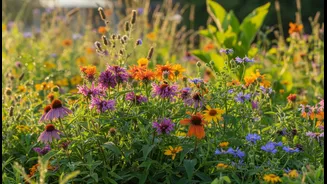
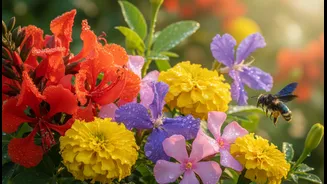
Native plants and local wildlife share a deep, evolutionary connection. They provide the ideal food, shelter, and breeding grounds for India's native birds, bees, butterflies, and other insects. For example, trees like the Jamun and Mango sustain fruit-eating birds and bats, while flowering shrubs provide essential nectar. This relationship is often highly specific; some pollinators can only feed from certain native plants. By planting a garden with species like Hibiscus, Palash (Flame of the Forest), and Aparajita (Butterfly Pea), you are creating a vital refuelling station for local wildlife, supporting the biodiversity that is crucial for a healthy ecosystem.
The Low-Maintenance Advantage
For the home gardener, these ecological benefits translate into very practical advantages. Because native plants are suited to the local environment, they demand far less effort. They are naturally resistant to many local pests and diseases, which drastically reduces the need for chemical pesticides and herbicides. Furthermore, their adaptation to local soil conditions means you can often skip the artificial fertilisers. This not only saves you time and money but also contributes to a healthier, chemical-free garden and prevents harmful runoff into our waterways. It’s a win-win: a more beautiful garden with less work and a smaller environmental footprint.
Easy Native Beauties for Your Garden
Getting started with native plants is easier than you might think. Many are already popular and readily available. Consider adding some of these to your space: Sadabahar (Periwinkle) flowers almost year-round with minimal care. The fragrant Mogra (Jasmine) and Parijat are beloved for their beautiful, heat-loving blossoms. For vibrant colour, you can’t go wrong with Bougainvillea, which thrives in hot, dry conditions, or the classic Marigold. Even culinary plants like Tulsi (Holy Basil) and the Curry Leaf tree are hardy natives that support local ecosystems while being useful in the kitchen. These plants prove that choosing native doesn't mean compromising on beauty or fragrance.