





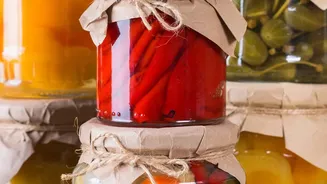

Guard Your Grains and Flours
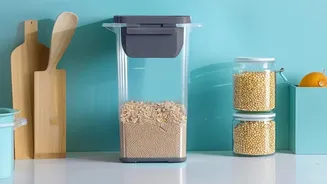
The high moisture content in the air during the monsoon is the biggest enemy of staples like rice, wheat flour (atta), and pulses (dals). It can lead to clumping, mould growth, and insect infestations like weevils. The most crucial first step is to transfer
these items from their original bags into completely dry, airtight containers. Glass or high-quality plastic jars with secure lids are ideal. For an extra layer of protection, add a few dried bay leaves or neem leaves to your grain containers; these have been used in Indian kitchens for generations as natural insect deterrents. Another traditional trick is to place a small cloth pouch filled with rock salt inside the container to absorb excess moisture. Before storing, you can also lightly roast items like sooji (semolina) or dalia (broken wheat) to remove any existing moisture, which extends their shelf life significantly.
Keep Your Spices Potent
Humidity is notorious for causing powdered spices like turmeric, chilli powder, and coriander powder to form hard lumps, lose their aroma, and even develop mould. Never store spices in flimsy packets or loose-lidded containers. Transfer them to smaller, airtight glass jars. Avoid keeping your spice rack near the stove or a window, as steam and temperature fluctuations accelerate spoilage. A cool, dark cabinet is the best location. When cooking, always use a completely dry spoon to scoop out spices and avoid shaking the jar directly over a steaming pot, as the moisture will travel straight into your container. For whole spices, consider buying smaller quantities during the monsoon to ensure they are used up before they lose their potency.
Save the Crunch in Your Snacks
There's nothing more disappointing than reaching for a biscuit, chip, or a piece of namkeen only to find it has turned soft and limp. The key to preserving their crunch is to shield them from air and moisture immediately. As soon as you open a packet, move the contents into an airtight glass or steel container. Plastic containers can sometimes trap humidity, making them less ideal for crispy items. A simple but effective hack is to place a folded piece of tissue paper or paper towel at the bottom of the container to absorb any intrusive moisture. If your snacks do lose their crispness, a few minutes in a preheated oven or an air fryer can help draw out the moisture and restore their texture.
Handle Fresh Produce with Care
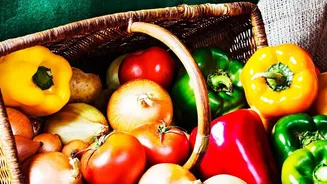
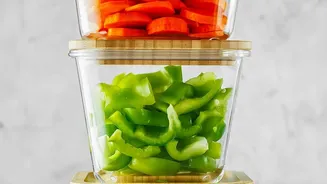
The monsoon is a challenging time for fresh fruits and vegetables, which are more susceptible to rot and fungal growth. It is crucial to wash all produce thoroughly, especially leafy greens, as they can carry a lot of dirt and microbes from the rain. However, the most important step is to dry them completely before refrigeration. Storing wet vegetables will only speed up the spoiling process. Wrap leafy greens in paper towels before placing them in perforated bags to maintain crispness. For other vegetables, store them in the crisper drawer of your refrigerator, but avoid overcrowding it to allow for proper air circulation. It’s also wise to buy vegetables in smaller quantities more frequently rather than stocking up for the whole week.
Protect Salt, Sugar, and Other Essentials
Salt and sugar are hygroscopic, meaning they readily absorb moisture from the air, which causes them to clump together. The solution, once again, is airtight containers. Ensure the containers you use for salt, sugar, coffee powder, and tea leaves have tight-fitting lids to create a proper seal. For salt shakers, adding a few grains of uncooked rice is a classic and effective method to absorb moisture and prevent clogging. You can also place a small pouch of activated charcoal or camphor balls in your pantry cabinets to help reduce the overall ambient humidity in the storage space.