




What the Latest Research Says
Recent studies have drawn a stronger line between high consumption of ultra-processed foods and a range of health issues. Research presented in early August 2026 at a major nutrition conference found that a staggering percentage of foods marketed to toddlers
are ultra-processed, potentially establishing unhealthy eating patterns from a very young age. This adds to a large body of evidence linking UPFs to a higher risk of obesity, type 2 diabetes, heart disease, and even certain types of cancer and depression. These studies suggest that the issue isn't just about single nutrients like sugar or fat, but potentially the industrial processing itself and the cocktail of additives used. The findings are sparking conversations among health experts and the public about the hidden costs of convenience.
Defining Ultra-Processed Foods
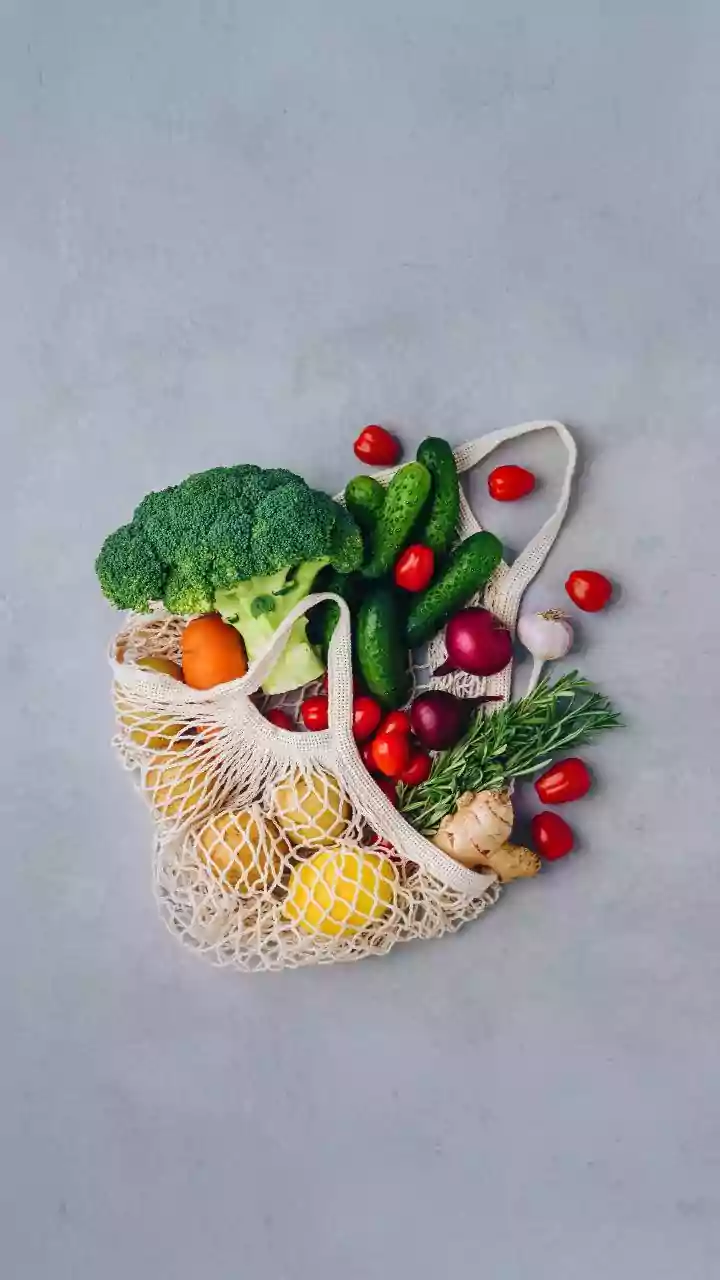
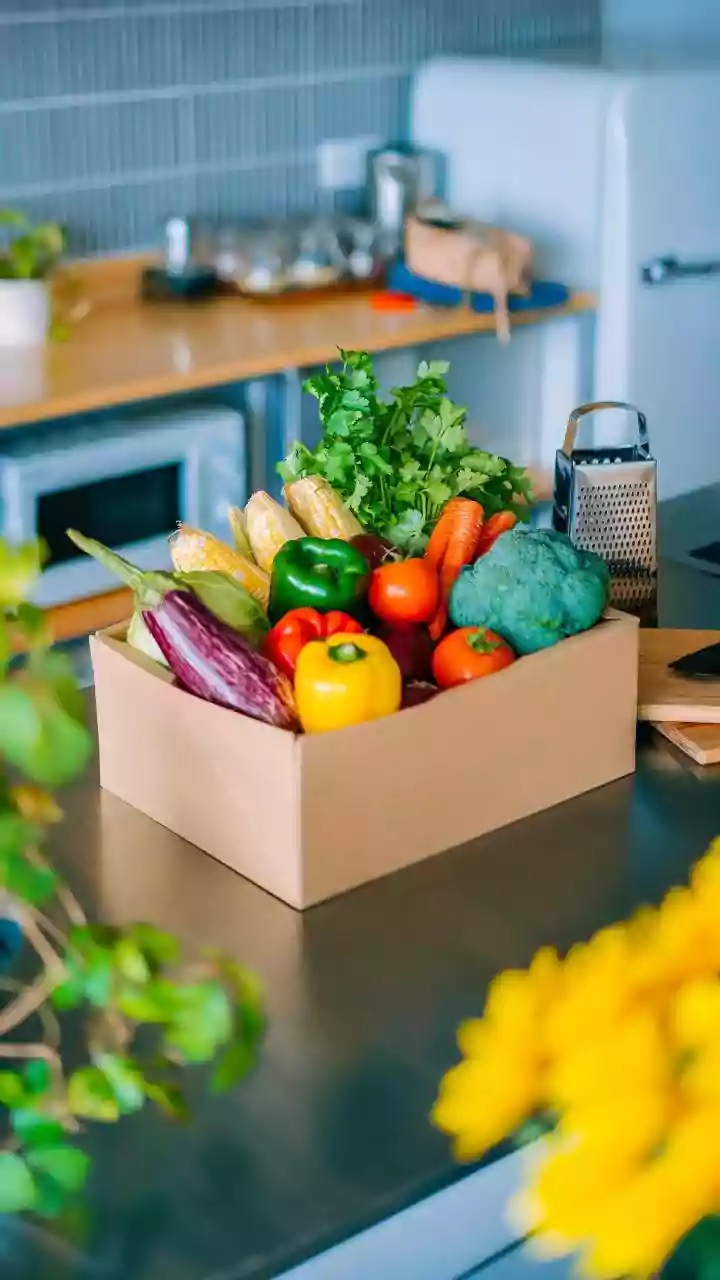
So, what exactly makes a food 'ultra-processed'? The most widely used definition comes from the NOVA classification system. Think of it this way: unprocessed or minimally processed foods are things like fresh fruits, vegetables, dal, and plain rice. Processed foods have a few ingredients added, like salt or sugar, such as canned vegetables or simple bread. Ultra-processed foods, however, are in a different league. They are industrial formulations made mostly from substances extracted from foods (like fats, starches, and sugars) or synthesized in labs. They often contain long lists of ingredients you wouldn't find in a home kitchen, including artificial colours, flavours, and emulsifiers, designed to make them hyper-palatable and long-lasting.
Common Culprits in an Indian Kitchen
While we might associate UPFs with Western fast-food chains, they have found a firm place in modern Indian households. The convenience is undeniable in our fast-paced lives. Common examples include instant noodles, packaged chips and savoury snacks (bhujia), and biscuits. Also on the list are sugary breakfast cereals, fizzy cold drinks, packaged fruit juices, and many ready-to-eat or ready-to-cook meals and curry mixes. Even items that seem healthy, like some flavoured yoghurts, protein bars, or mass-produced sliced breads, can fall into the ultra-processed category due to added sugars, starches, and other additives.
The Health Risks Explained
The concern with a diet high in UPFs is two-fold. Firstly, these foods are often high in calories, unhealthy fats, sugar, and salt, while being low in essential nutrients like fibre, vitamins, and minerals. This nutritional imbalance is strongly associated with weight gain and obesity. Secondly, UPFs displace whole foods from our diet. When we fill up on packaged snacks and instant meals, we have less room for nutrient-dense traditional meals made from fresh ingredients. Over time, this dietary pattern is linked to a significantly increased risk of developing chronic conditions like hypertension, type 2 diabetes, and cardiovascular disease.
A Balanced Approach, Not a Ban
Hearing all this can be alarming, but the goal isn't to eliminate every packaged food item from your life. It's about awareness and making informed shifts. Start by reading ingredient lists. If it’s very long and full of names you don't recognise, it's likely ultra-processed. Try making simple swaps: reach for a piece of fruit instead of a packaged biscuit, or replace a sugary drink with water, buttermilk (chaas), or coconut water. Aim to cook one more meal from scratch each week. Even small changes, like choosing plain oats over flavoured ones or plain yoghurt over sweetened varieties, can reduce your UPF intake. The idea is to shift the balance back towards minimally processed, whole foods, which have been the foundation of healthy Indian diets for generations.