


Munnar, Kerala: The Emerald Kingdom
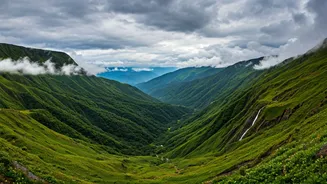
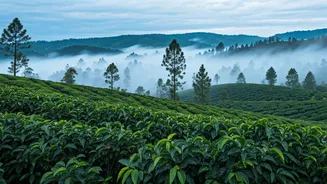
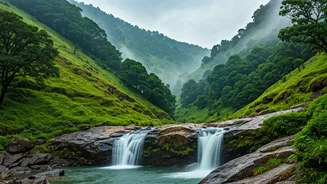
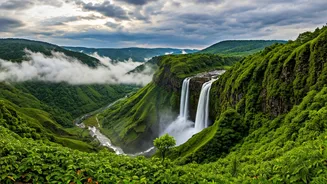
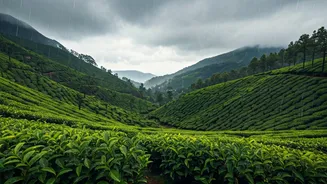
Nestled in the Western Ghats, Munnar becomes a dreamy paradise during the monsoon. [9] Its rolling tea estates, already famous for their beauty, turn into a vibrant, neon-green spectacle under the rain. [29] The season brings the region’s waterfalls,
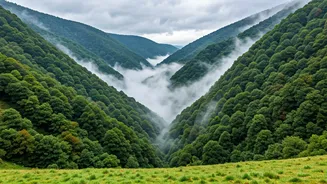
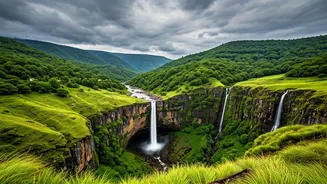
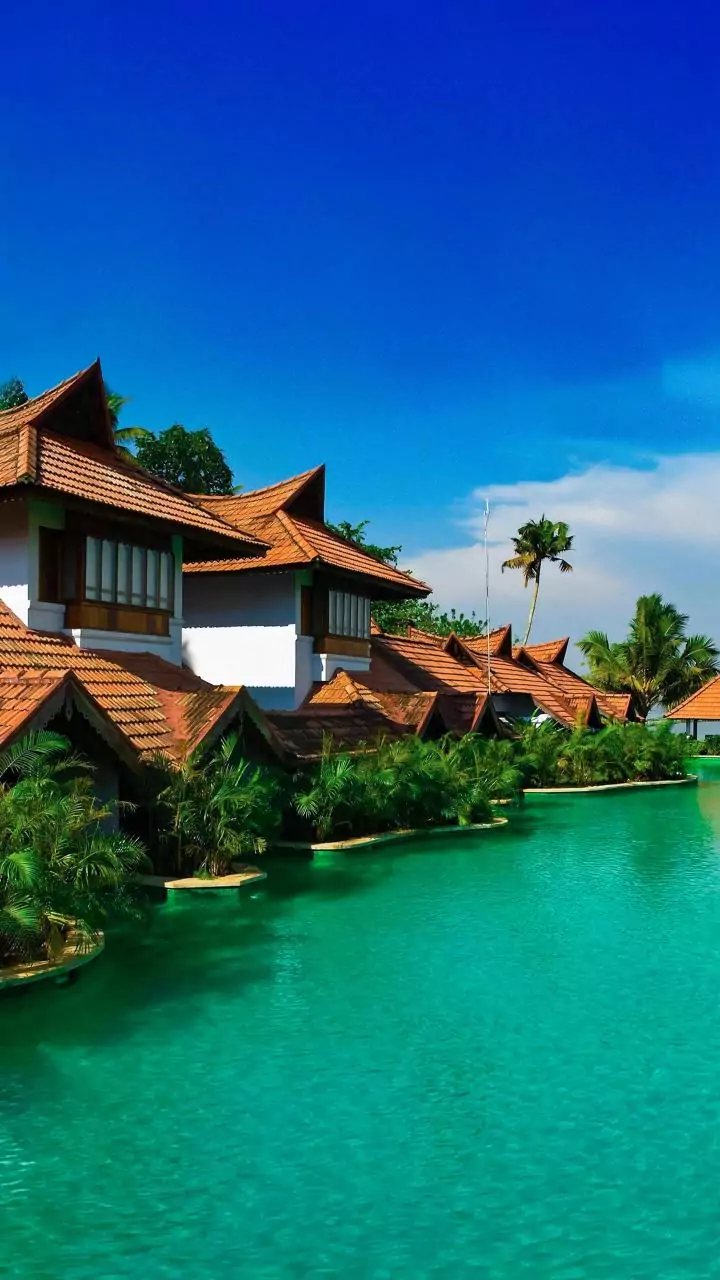
like Attukal and Lakkam, roaring back to life, creating a powerful and mesmerising sight. [29] Mist hangs low over the valleys, wrapping viewpoints like Pothamedu in a soft, white blanket and offering a serene, almost mystical experience. [11] While heavy rain is common from June to August, this is when Munnar’s beauty is at its most raw and vibrant. [34] A jeep safari to Kolukkumalai, the world's highest tea plantation, offers breathtaking views of the cloud-filled mountains. [18] For a truly immersive experience, consider a quiet walk through the rain-soaked plantations or enjoy a hot cup of local tea from a balcony overlooking the misty hills. [9, 29]
Coorg, Karnataka: Scotland of India in the Rains
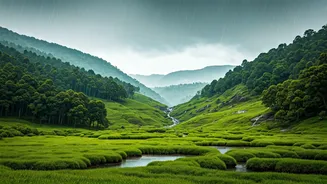
Coorg, often called the 'Scotland of India', transforms into a lush, green haven when the monsoon arrives. [6] Its famous coffee plantations smell rich and earthy after a downpour, and walking through them becomes a sensory delight. [17] The monsoon, which typically lasts from June to September, breathes life into the landscape, turning the hills into a vibrant green carpet. [25] Waterfalls like Abbey and Iruppu, which can be modest in other seasons, become full-scale, thundering cascades in July and August. [13, 28] While the rains can be heavy, they create a peaceful and romantic atmosphere that encourages a slower pace of travel. [17] Key viewpoints such as Raja's Seat in Madikeri may not offer sunsets but are perfect for watching the mist roll across the valleys. [13] For a safe and enjoyable trip, pack quick-dry clothing and sturdy, closed-toe shoes, as trails can be slippery. [13]
Meghalaya: The Abode of Clouds
For those who truly love the rain, there is no place like Meghalaya. Home to Cherrapunji and Mawsynram, some of the wettest places on Earth, this northeastern state is aptly named 'The Abode of Clouds'. [12, 21] During the monsoon, the region's famed waterfalls, such as Nohkalikai and the Seven Sisters Falls, are in their full, spectacular flow. [22] The landscape becomes an intense shade of emerald green, and the mist gives it an almost mystical feel. [33] This is also the best time to see the iconic living root bridges, like the double-decker bridge in Nongriat, at their most vibrant. [21, 33] While Shillong serves as a comfortable base with its charming colonial architecture and pine-covered hills, the real adventure lies in exploring the rain-drenched countryside. [21] A trip here is less about a packed sightseeing itinerary and more about witnessing a unique climatic phenomenon in its rawest form. [21]
Lonavala and Khandala, Maharashtra: The Western Ghats' Green Heart
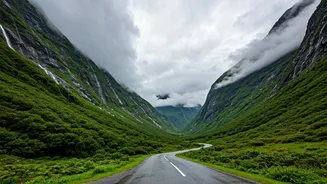
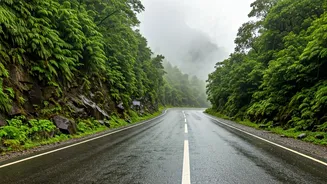
A popular weekend escape from Mumbai and Pune, the twin hill stations of Lonavala and Khandala come alive during the monsoon. [9] The Sahyadri ranges shed their summer brown for a blanket of dense greenery, with waterfalls cascading down the slopes. [19] The drive itself, particularly along the Mumbai-Pune Expressway, offers breathtaking scenic views. [24] Popular spots like Bhushi Dam become lively hubs where visitors can enjoy the overflowing water on the steps, while Kune Falls turns into a gorgeous, powerful cascade. [19, 24] Viewpoints such as Tiger's Point and Lion's Point offer dramatic vistas of the cloud-filled valleys, though visibility can vary with the mist. [30, 35] The weather is cool and pleasant, providing a refreshing break from city heat, with temperatures hovering between 20-25°C. [19] It's an ideal destination for nature lovers looking for a quick yet immersive monsoon experience. [35]
Valley of Flowers, Uttarakhand: A Himalayan Monsoon Trek
A UNESCO World Heritage Site, the Valley of Flowers in Uttarakhand is a unique monsoon destination that opens to the public from June 1st. [23] This high-altitude valley transforms into a vibrant carpet of alpine flowers precisely because of the monsoon rains. [23] The best time to witness this spectacular bloom, featuring over 300 species like the rare Himalayan Blue Poppy and Brahma Kamal, is from mid-July to mid-August. [23, 26] Reaching the valley requires a trek from Govindghat, making it an adventure for the dedicated nature lover. [23] The monsoon that triggers the bloom also means the trail can be muddy and challenging, but the reward is a landscape of unparalleled beauty. [31] The air is filled with the fragrance of wet earth and flowers, and on misty mornings, the entire valley can disappear and reappear in the shifting clouds, creating a truly magical atmosphere. [26]