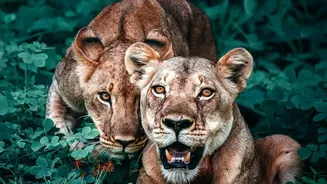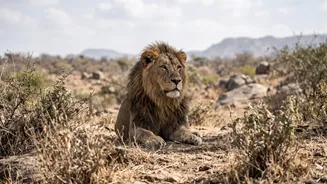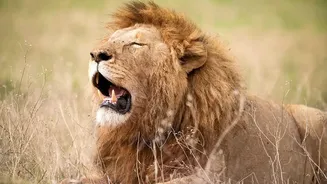





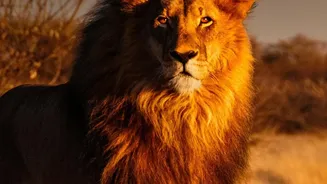
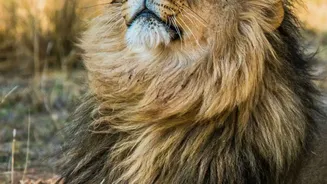
A Second Home For The King
The success of Asiatic lion conservation in Gujarat's Gir National Park is a celebrated achievement, but it has created a unique challenge: all the eggs are in one basket. A single disease outbreak or natural disaster could devastate the world's only
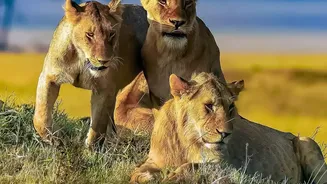
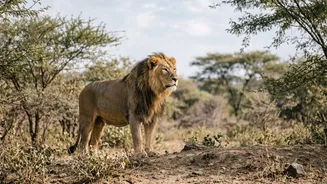
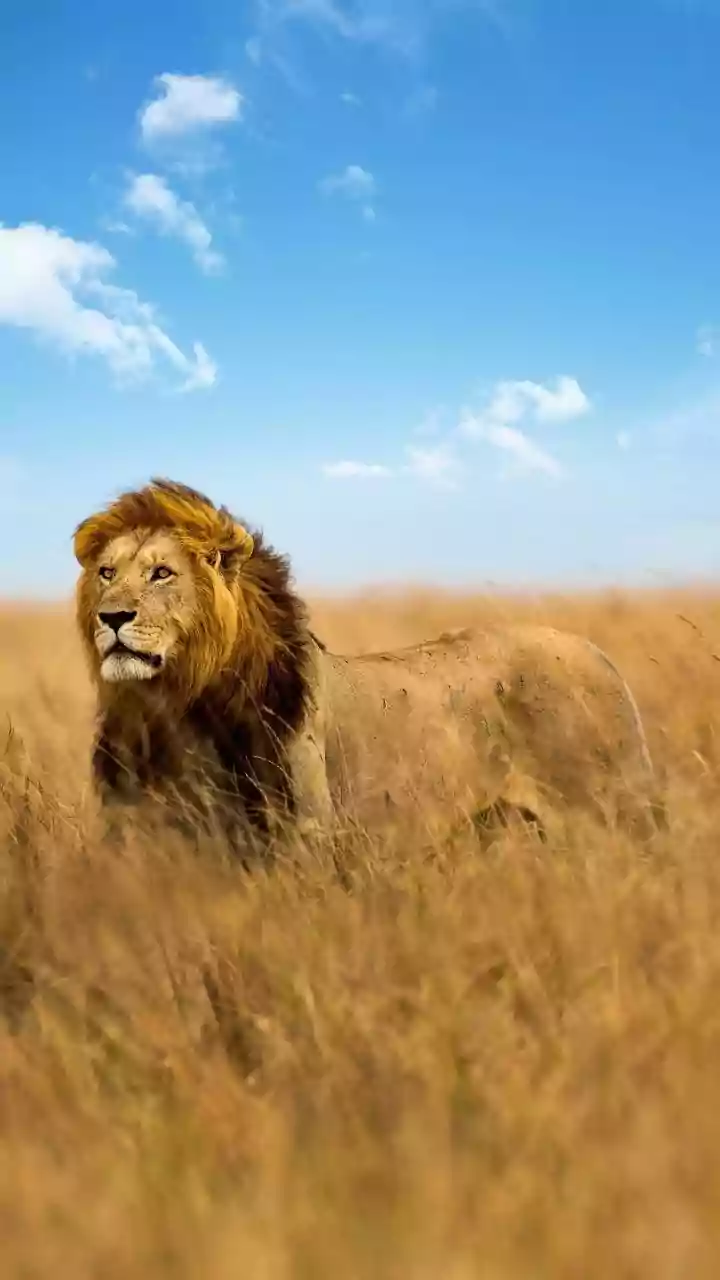
wild population of these majestic cats. For decades, conservationists have sought a second, viable home to mitigate this risk. The Barda Wildlife Sanctuary, located about 100 kilometres from Gir, was identified as a prime candidate. After a lone male lion naturally dispersed into the sanctuary in January 2023, breaking a 144-year absence, the Gujarat Forest Department seized the opportunity, introducing five females to create a founding population. This initiative marked a pivotal moment in Project Lion, a national effort to secure the species' future.
The Six Pioneers and Their Secrets
To understand if these lions could truly thrive in their ancestral home, scientists embarked on a detailed study. Six lions—the original male and the five introduced females—were fitted with advanced GPS radio collars. Between January 2023 and July 2025, these collars transmitted a staggering 169,000 location data points, giving researchers an unprecedented look into their new lives. This high-tech monitoring, conducted by the Gir Hi-Tech Monitoring Unit, was designed to answer critical questions: How would they use the new landscape? What would they eat? And could they establish a self-sustaining community? The data gathered from these six individuals would provide the scientific backbone for managing Barda as a permanent second home for lions.
Unlocking Clues from Movement
The tracking data offered profound insights into how the lions were adapting. The study, published in the scientific journal PLOS One, revealed that the lions established distinct territories. The average home range for an individual was found to be approximately 70 square kilometres. Within these larger territories, they established smaller core areas of about 11 square kilometres where they spent most of their time. Analysis of their habitat preferences showed they favoured mixed forests and grasslands, demonstrating they were successfully navigating Barda's rugged, hilly terrain. The tracking also revealed emerging social structures, with varying degrees of overlap between their ranges indicating both association and spatial partitioning as the new pride settled in.
A New Menu and a Growing Family
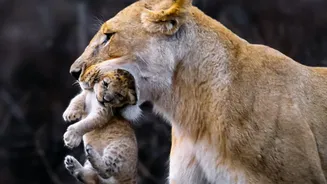
A crucial clue to their long-term survival was their diet. Scat analysis showed the lions were primarily hunting wild prey, with wild pigs making up a significant portion of their meals. This reliance on natural prey is a positive sign, though they also preyed on domestic cattle, highlighting the need for proactive conflict management. To support the growing population, the Forest Department has been bolstering the sanctuary's prey base, translocating hundreds of chital (spotted deer) and sambar into the area. These efforts are clearly paying off. As of October 2026, the population in Barda has grown to 17 lions, including several cubs, a testament to the sanctuary's suitability as a breeding ground.
The Road Ahead for Barda's Pride
The clues provided by these six collared lions have confirmed that Barda can serve as a genuine stronghold for the species. The project is a success story born from a combination of natural dispersal and active, science-based management. With a dedicated team of eight full-time lion trackers monitoring the animals' health and movements, the focus is now on consolidating these gains. Key priorities include continued habitat restoration, strengthening the wild prey population to reduce livestock conflict, and managing human-lion interactions as the population grows. Ecotourism initiatives have also begun, aiming to involve local communities in conservation and provide them with livelihoods.