





Decoding the Price at the Pump
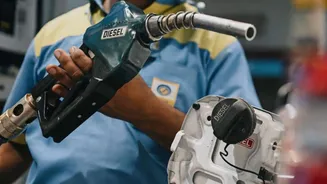
When you pay for a litre of petrol or diesel, you're paying for much more than just the raw material. The final retail price is a complex mix of several components. It starts with the base price, which is what oil marketing companies (OMCs) pay for crude
oil on the international market, factoring in refining costs and freight charges. Since India imports over 85% of its crude oil needs, this base price is highly sensitive to global fluctuations and the US Dollar-Rupee exchange rate. Added to this are significant taxes levied by both the central and state governments. The Centre imposes a fixed excise duty, while states add their own Value Added Tax (VAT), which can vary widely. Together, these taxes can constitute nearly half of what you pay per litre. Finally, a small commission for the dealer running the petrol pump is included, completing the final price you see on the board.
The Daily Commute and Beyond
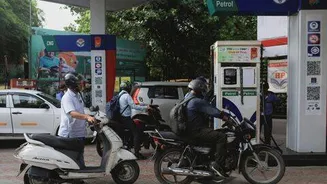
The most immediate and obvious impact of rising crude prices is on the cost of running a personal vehicle. But the effect on transportation goes much further. The vast network of trucks that transport goods across the country primarily runs on diesel. When diesel prices rise, so do freight costs. This surge in logistics expenses doesn't just stay on the highway; it gets passed down the supply chain. Suddenly, the vegetables, grains, and packaged goods at your local kirana store or supermarket become more expensive. Even commuting by public transport isn't immune. Higher operational costs for buses and auto-rickshaws can lead to fare hikes, directly impacting the budgets of millions who rely on these services daily.
Your Holiday Plans Just Got Pricier
Planning a vacation? The price of crude oil could be a deciding factor in your budget. Airlines are intensely sensitive to fuel costs, with Aviation Turbine Fuel (ATF) accounting for a massive chunk—sometimes up to 40%—of their operating expenses. When global oil prices surge, ATF prices follow suit, and airlines often pass this extra cost to consumers through higher fares or by adding fuel surcharges. Analysts have noted that sustained high crude prices could lead to international airfares increasing by anywhere from 5% to 20%, with long-haul routes being the most affected. This means that a family's budget for a festive season trip or a summer holiday can be significantly strained, not because of hotel rates or food, but because of the cost of getting there.
The Broader Economic Ripple Effect
The impact of crude oil prices extends deep into the national economy, creating what is known as cost-push inflation. When energy is more expensive, the cost of manufacturing nearly everything goes up. Industries like chemicals, paints, tyres, and cement, which use petroleum-based inputs, see their raw material costs rise. This leads to higher prices for finished goods, from a new coat of paint for your home to the tyres on your car. Furthermore, high oil prices put pressure on the government's finances. A rising import bill can widen the country's current account deficit and weaken the rupee. While taxes on petrol and diesel are a major source of revenue for both central and state governments, helping to fund infrastructure and welfare schemes, persistently high prices can force difficult decisions about whether to cut taxes to provide relief to citizens or maintain revenues for public spending.