

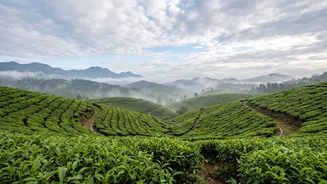
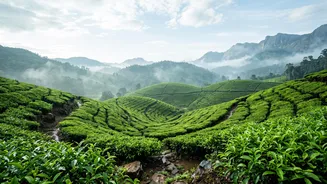
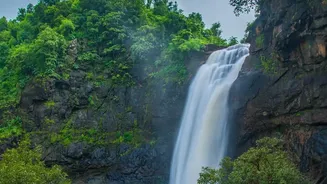
The Stakes: Why Monsoon Travel Requires Caution
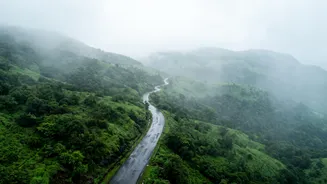
While the allure of misty hills and roaring waterfalls is strong, the monsoon season demands respect. Intense rainfall can destabilize terrain, especially in hilly and coastal regions. The primary dangers for travellers are landslides, flash floods, and severe
waterlogging. A road that is perfectly safe one day can become impassable or be swept away the next. High-risk areas often include the Himalayan states like Himachal Pradesh and Uttarakhand, the Western Ghats in Maharashtra, Karnataka, and Kerala, and mountainous parts of the Northeast. Even popular routes like the Mumbai-Pune Expressway or the roads leading to Manali can face closures, leaving travellers stranded. The goal is not to avoid monsoon travel altogether, but to do so with awareness and preparation.
Decoding the IMD’s Colour-Coded Weather Alerts
The India Meteorological Department (IMD) is the country's official agency for weather forecasting and its alerts are the most reliable source of information. It uses a simple four-colour system to help the public quickly understand the severity of expected weather. Here’s what each colour means for a traveller: Green (No Warning): All is well. Weather conditions are normal, and you can proceed with your travel plans without any weather-related concerns. Yellow (Be Aware): This is a heads-up. Bad weather is possible over the next few days and could cause some disruption. For travellers, this means you should stay updated on forecasts and build some buffer time into your itinerary. No need to cancel plans, but caution is advised. Orange (Be Prepared): This is a serious warning for extremely bad weather. It often signals heavy to very heavy rainfall, which could lead to flooding, road closures, and power outages. If an Orange alert is issued for your destination, you should seriously reconsider your plans and avoid non-essential travel. Red (Take Action): This is the highest level of alert, indicating a significant threat to life and property from severe weather. This could mean extremely heavy rainfall, a cyclone, or widespread flooding. All travel to or within the affected area should be stopped. Follow instructions from local authorities, which may include evacuation.
Your Essential Digital Toolkit for On-the-Go Updates
For real-time information, your smartphone is an invaluable tool. It is crucial to use official and reliable apps for the most accurate updates. The IMD provides several official apps for public use. Mausam: This is the IMD’s primary, all-in-one weather app. It provides current weather conditions, forecasts for numerous locations, radar images, and issues proactive warnings for upcoming weather events. Damini: This specialised app from the IMD specifically provides early warnings for lightning strikes in your vicinity. Beyond these, apps like Skymet Weather offer another reliable, India-focused option for tracking the monsoon with data from a large network of weather stations. It's also wise to download offline maps for your planned route, as mobile connectivity can be unreliable in mountainous or remote areas.
From Alerts to Action: Planning and Adjusting Your Route
Weather alerts are only useful if you act on them. When planning a monsoon trip, especially to a high-risk area, check the five-day forecast on the IMD website (mausam.imd.gov.in) or Mausam app. If a Yellow or Orange alert is already in place for your dates, consider building flexibility into your itinerary with refundable bookings. If a Red alert is active for your destination, the decision is simple: do not go. While on the road, if an alert is upgraded, be prepared to change your plans. This could mean staying put for a day or two until conditions improve or taking an alternative, safer route if available. Always prioritize safety over sticking to a rigid schedule. Inform your family or friends of your itinerary and check in regularly.
The Importance of Local Intelligence
Digital alerts provide a fantastic overview, but they should be combined with on-the-ground intelligence. Local residents, drivers, and hotel staff have invaluable, real-time knowledge of the area. They know which roads are vulnerable, which streams are likely to swell, and which areas are prone to landslides. Before starting your day’s journey, always speak to locals about the conditions ahead. They can often provide a more nuanced view than a district-wide forecast. In many regions, local authorities and police will also provide updates and may block roads they deem unsafe. Always heed these physical warnings and instructions from officials on the ground.