




First, What Is El Niño?
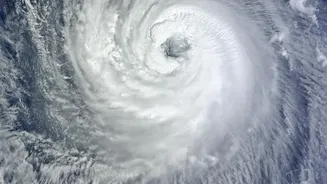
El Niño is a naturally occurring climate phenomenon, part of a cycle called the El Niño-Southern Oscillation (ENSO). It's characterised by the unusual warming of sea surface temperatures in the central and eastern equatorial Pacific Ocean. This warming might
seem distant, but it's powerful enough to alter atmospheric circulation patterns globally. For India, the primary concern is its historically strong correlation with a weaker and more erratic southwest monsoon, which delivers about 70-75% of the country's annual rainfall and is the backbone of its agricultural sector. El Niño events typically occur every two to seven years and can last for nine to twelve months or even longer.
The Current Forecast: A 'Very Strong' Event
Recent updates from global agencies like the World Meteorological Organization (WMO) and the U.S. National Oceanic and Atmospheric Administration (NOAA) paint a concerning picture. Forecasts from late 2026 indicate a 'very strong' El Niño event is expected to peak around December 2026 and persist into the early months of 2027. Scientists at India's own Indian National Centre for Ocean Information Services (INCOIS) have also noted the strong El Niño is likely to remain dominant until at least March 2027. While there's no official 'Super El Niño' category, the current event is tracking closely with historically strong episodes like those in 1997-98 and 2015-16, prompting heightened vigilance.
Impact on India's Monsoon and Agriculture
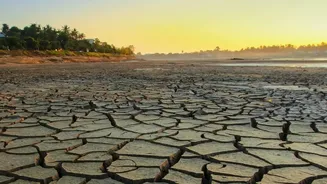
The most immediate and well-documented impact of El Niño on India is a potential reduction in monsoon rainfall. A weaker monsoon can lead to drought-like conditions, particularly in the rain-fed agricultural belts of central and northwest India. This has direct consequences for the Kharif (summer) crops like rice, pulses, and oilseeds, which are heavily dependent on monsoon rains. Reduced agricultural output not only affects farmers' incomes and rural demand but can also stoke food price inflation, impacting household budgets across the country. The 2026 monsoon season already recorded a significant rainfall deficit, raising concerns about low reservoir levels and depleted soil moisture heading into the next agricultural cycle.
Beyond Drought: Heatwaves and Water Scarcity
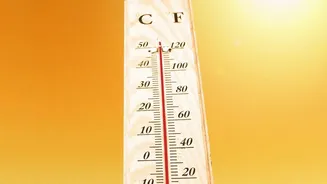
The effects of a strong El Niño are not limited to a poor monsoon. Experts warn it could also lead to a warmer-than-normal winter and an increased risk of severe heatwaves during the pre-monsoon season in 2027. These higher temperatures increase evapotranspiration, meaning more water is lost from soil and plants, which intensifies irrigation demands. This creates a double strain on water resources, which are already under pressure from deficient rainfall. Below-normal reservoir storage affects not just agriculture but also the availability of drinking water and the generation of hydropower, potentially increasing reliance on coal.
The Bigger Economic Picture
The ripple effects of a poor monsoon and extreme weather can be felt across the Indian economy. Weak rural incomes dampen demand for consumer goods, from two-wheelers to everyday products. The government may face increased fiscal pressure due to higher spending on subsidies for food and fertilisers, as well as on rural employment schemes and crop insurance payouts to support affected farmers. Furthermore, El Niño can affect renewable energy generation, with studies projecting that weaker wind and hydropower output could create a significant energy gap that needs to be filled by other sources.
A Glimmer of Hope? The La Niña Possibility
While the current El Niño is a cause for concern, some climate models offer a potential silver lining. Scientists at INCOIS have noted that following the peak of this strong El Niño, conditions might transition to neutral and could even be followed by the emergence of La Niña—El Niño's cooler counterpart—around the time of the 2027 southwest monsoon. La Niña events are typically associated with enhanced monsoon rainfall over India, which could help replenish reservoirs and support agriculture after a dry spell. However, this remains a forecast, and it's important to note that La Niña can also bring its own challenges, such as flooding.