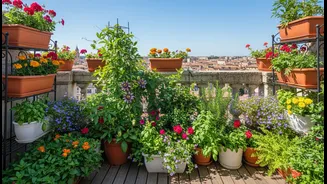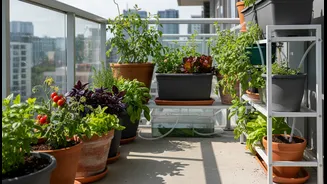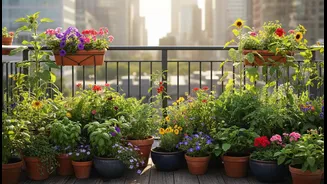





What is a Balcony Microclimate?
A microclimate is a small, localised area where the growing conditions differ from the general climate of your region. Your balcony is a perfect example. It has its own distinct environment shaped by factors like sun exposure, wind, rain protection from overhangs,
and heat radiated from the building itself. A south-facing balcony in Mumbai will have a completely different microclimate than a north-facing one in Delhi on a high floor. Ignoring these unique conditions is a common reason for failure. By observing and understanding your specific microclimate, you can move from guessing to making informed choices that help your plants thrive.
Decoding Your Sun Exposure
Sunlight is the most critical factor. Before buying a single plant, spend a day observing how the sun moves across your balcony. Note when direct sun first hits and when it leaves. South-facing balconies get the most intense, prolonged sun. They are perfect for sun-worshipping and heat-tolerant plants like Bougainvillea, Hibiscus, Marigolds, and herbs like Rosemary. East-facing balconies receive gentle morning sun, which is ideal for a wide variety of plants, including many herbs and leafy greens like spinach. West-facing balconies get the hot afternoon sun, which can be harsh. Plants here need to be tough, but you can also use shade cloth to protect more delicate species. North-facing balconies are the shadiest, getting mostly indirect light. This is ideal for shade-loving plants like ferns, snake plants, and money plants.
Working with Wind and Heat
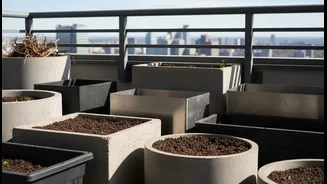
High-rise balconies are often much windier than ground-level gardens. This constant airflow can rapidly dry out soil and damage fragile leaves. To combat this, choose hardy, flexible plants like ornamental grasses, rosemary, or succulents. You can also create windbreaks using taller plants or a trellis. Urban areas also create a "heat island" effect, where concrete and brick absorb and radiate heat, making your balcony significantly warmer than a rural garden. Light-coloured pots will reflect heat rather than absorb it, keeping roots cooler. For extremely hot balconies, heat-resistant plants like Portulaca, Periwinkle (Sadabahar), and Adenium (Desert Rose) are excellent choices.
Choosing the Right Plants for Your Space
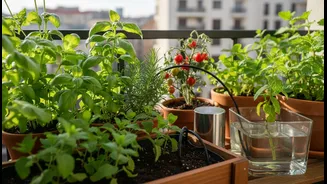
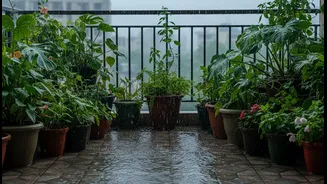
Now that you've assessed your conditions, you can select your plant team. Think 'right plant, right place'. For a Hot, Sunny Balcony: Go for champions of heat. Bougainvillea, Hibiscus, Marigold, Lantana, and succulents are all excellent choices that will provide vibrant colour through the hottest months. Fruiting vegetables like tomatoes and chillies will also do well with at least 5-6 hours of sun. For a Shady, Sheltered Balcony: Embrace the cool. Ferns, Spider Plants, Snake Plants, and Money Plants will thrive. Mint (Pudina) also does well in partial shade and is great to have on hand for the kitchen. * For a Windy Balcony: Pick plants that are tough and flexible. Rosemary, with its needle-like leaves, is very wind-resistant. Grasses that can bend with the breeze and sturdy succulents are also strong contenders. Using heavier pots made of clay or ceramic can also prevent them from tipping over.