



Why Monsoon Changes Everything
During India's monsoon season, the rules of plant care change dramatically. The primary reason is the sharp increase in ambient humidity. With so much moisture in the air, water evaporates from the soil and leaves much more slowly. Compounded by overcast
skies and reduced sunlight, your plant's need for water decreases significantly. Sticking to a summer watering schedule is one of the most common mistakes gardeners make. The soil stays wet for longer, and what was once a life-giving routine can now suffocate the roots, which need oxygen just as much as they need water. This constantly damp environment becomes a perfect breeding ground for fungal diseases and pests.
Signs of a Drowning Plant
An overwatered plant sends out several distress signals. The most common is yellowing leaves, which, unlike those caused by underwatering, often feel soft and limp rather than dry and crispy. You might notice these yellow leaves appearing at the base of the plant first. Another counterintuitive sign is wilting. A plant can droop even when the soil is wet because the waterlogged roots are damaged and can no longer absorb moisture and nutrients effectively. Other red flags include mushy stems near the soil line, significant leaf drop, and the appearance of mould or fungus on the topsoil. In severe cases, you might even notice a foul smell from the pot, indicating root rot has set in.
The Golden Rule: Check the Soil
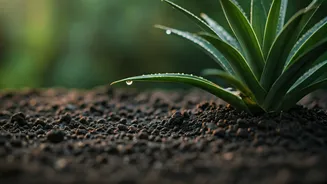
The single most important adjustment to your monsoon care routine is to abandon a fixed watering schedule. Instead, water only when your plant actually needs it. The best way to check is with the finger test: poke your finger about an inch or two into the soil. If it feels moist, do not water. Wait another day or two and check again. Only water when the top layer of soil feels dry to the touch. For potted plants, ensure they are in containers with adequate drainage holes to let excess water escape. It's also wise to empty any saucer or tray beneath the pot promptly after watering, as letting a plant sit in standing water is a fast track to root problems.
Proactive Monsoon Care
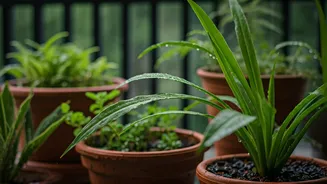
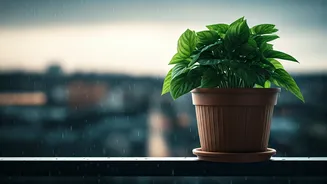
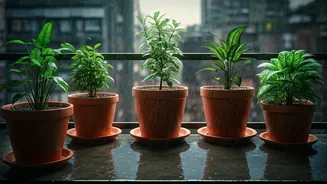
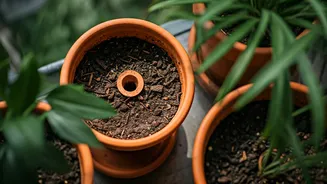
Beyond just watering, a few extra steps can help your plants thrive. Good air circulation is crucial to combat high humidity, so avoid crowding plants together. If possible, place them in a spot with good airflow. For indoor plants, move them closer to windows where they can get as much light as possible on cloudy days. Terracotta or clay pots are often a better choice for monsoon than plastic ones, as the porous material helps absorb excess moisture from the soil. It's also a good time to ensure your pots are elevated slightly off the ground on bricks or stands to prevent the drainage holes from getting blocked.
How to Rescue an Overwatered Plant
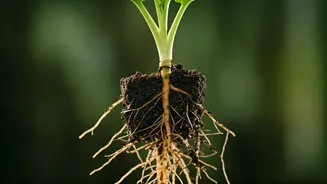
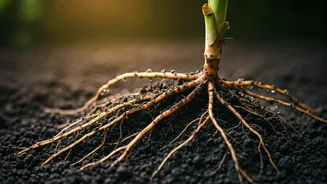
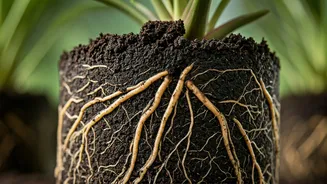
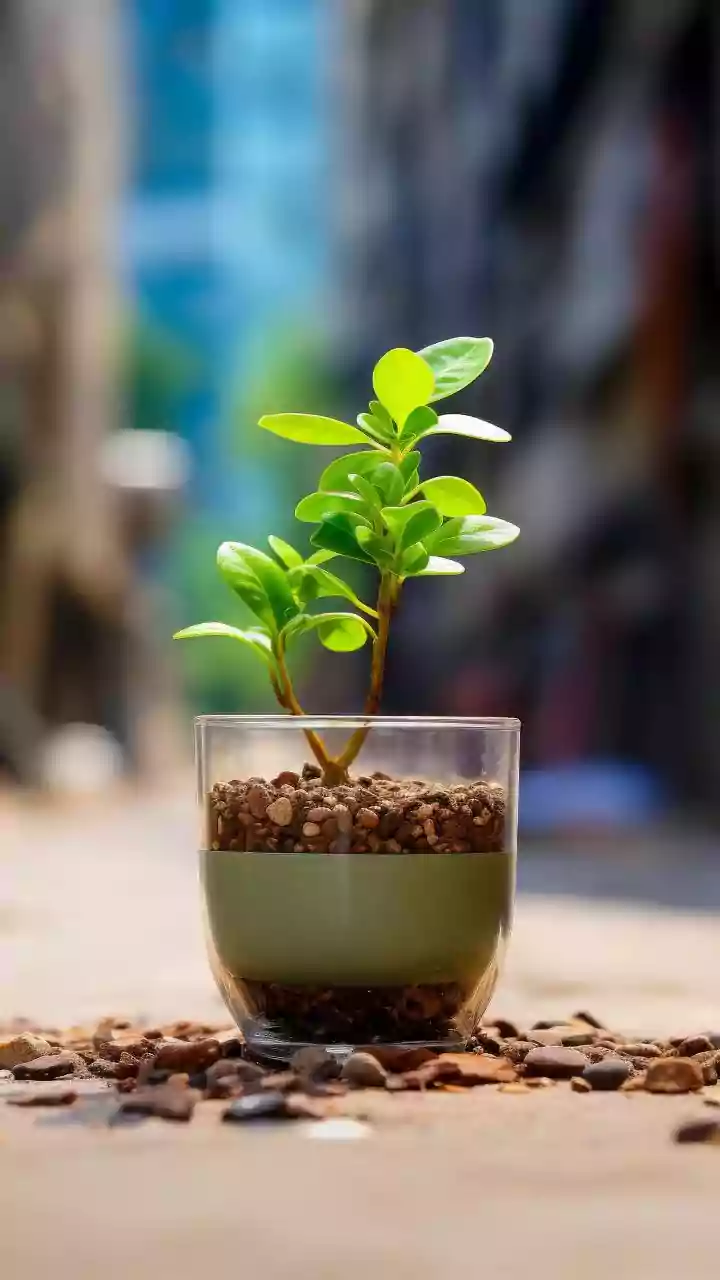
If you suspect you've already been too generous with water, don't panic. For mild cases, the first step is simple: stop watering and improve air circulation. You can gently loosen the top layer of compacted soil with a fork to help it dry out faster. For more severe cases where the soil is completely waterlogged, you may need to act more decisively. Gently remove the plant from its pot. If the roots are brown and mushy, you have root rot. Using sterilized scissors, trim away any of the affected roots. Re-pot the plant in fresh, well-draining potting mix and a clean pot. After this stressful operation, place the plant in a shady spot to recover, as its damaged root system won't be able to handle direct sun.