




The great Indian festive holiday is changing. Instead of one long, elaborate vacation, a new trend is taking hold: the short, spontaneous regional escape. Here’s why more travellers are choosing bite-sized breaks over the traditional annual trip.
The Rise of the Micro-Cation
The annual
10-day family holiday, planned months in advance, is slowly making way for a more flexible travel style. A 2026 report from backpacker hostel chain Zostel found that the average festive trip now lasts just two nights, with nearly one in four travellers booking multiple getaways between October and December. This trend towards 'micro-cations'—short, purposeful trips of one to three nights—is redefining festive travel. Instead of putting all their leave days and budget into a single big trip, Indians are opting for more frequent, shorter breaks throughout the year. This shift is driven by a desire for less planning stress, lower costs, and the ability to travel more often.
Less Planning, More Spontaneity
One of the biggest appeals of a short escape is the lack of stressful, long-term planning. Data from Zostel's festive season report revealed that three in ten travellers booked their stay on the day of check-in, and seven in ten booked within a week of arrival. This spontaneity is made possible by improved connectivity and a wealth of accessible regional destinations. Flexible and hybrid work arrangements also play a significant role, allowing professionals to blend work with leisure or take impromptu trips without disrupting their careers. Rather than orchestrating a complex, two-week itinerary, travellers can make a last-minute decision to visit a nearby hill station, beach town, or heritage site. This approach minimises the pre-travel anxiety that often accompanies longer holidays.
Maximising Budgets, Minimising Stress
Shorter trips are inherently more budget-friendly. They require less spending on accommodation and activities, making travel accessible to a wider audience and allowing for more frequent getaways. Research shows that the mental benefits of a vacation, such as reduced stress and increased energy, tend to fade within a few weeks of returning to work. By taking several short breaks, travellers can experience that post-vacation rejuvenation more often throughout the year. Moreover, the return to work after a 3-4 day trip is often less daunting, with a smaller pile of emails and tasks to face compared to a two-week absence. This makes the entire vacation cycle, from planning to returning, a more positive and less stressful experience.
Exploring India’s Diverse Backyard
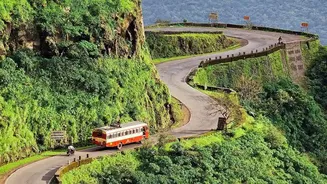
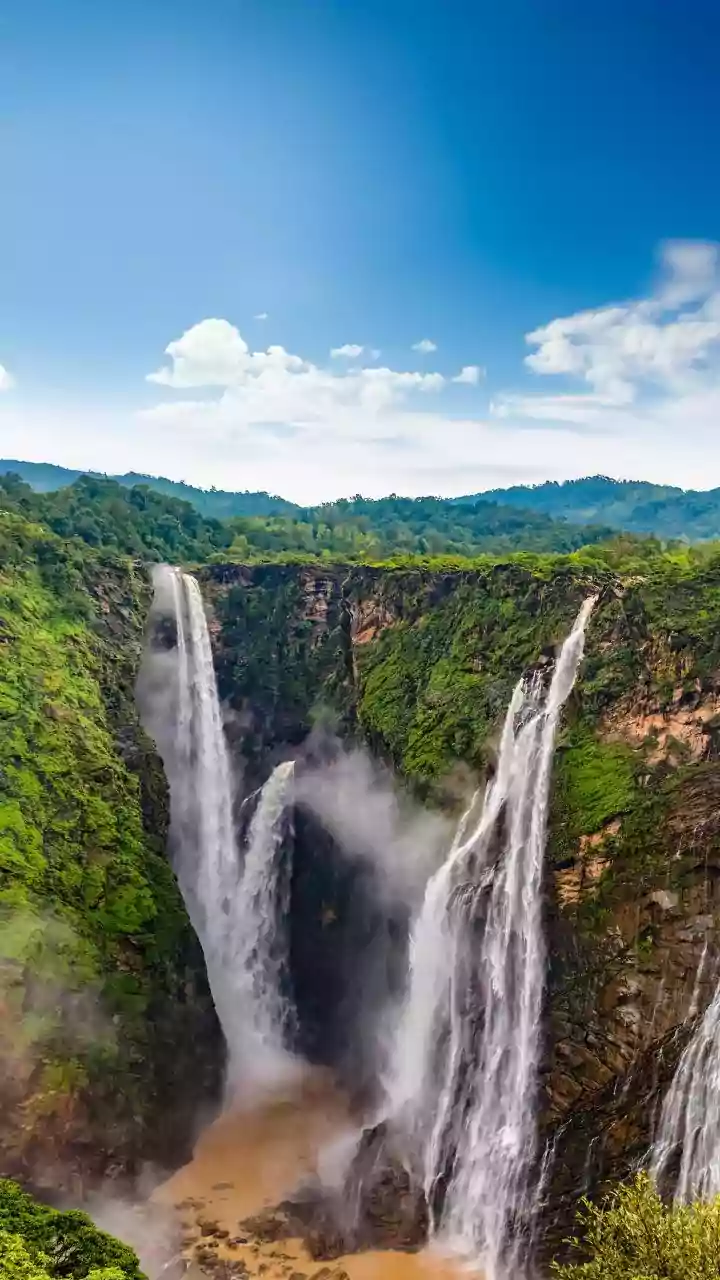
This trend has sparked a renewed interest in regional and non-urban destinations. An Airbnb report from October 2026 noted a nearly 40% year-on-year growth in domestic travel searches for the festive season, with significant interest in destinations beyond major cities. Gen Z travellers are leading this charge, exploring a mix of cultural hubs, coastal towns, and mountain retreats. According to recent festive travel data, destinations like Hampi, Gokarna, Rishikesh, and Jaipur are popular choices. There's also surging interest in Himalayan destinations like Sangla and Kalpa in Kinnaur, as well as hill stations in the south like Ooty and Munnar. Travel platforms are seeing massive booking increases for offbeat places, with travellers seeking unique, experience-led holidays that focus on local culture, food, and nature over crowded tourist spots.