



The New Rule on Your Coffee Pack
The Food Safety and Standards Authority of India (FSSAI) has rolled out a significant update for anyone who buys blended coffee. Soon, all packages of coffee-chicory mixtures must clearly state the exact percentage of each ingredient on the front of the pack.
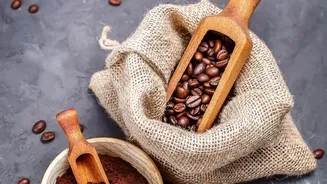
The new labels will simply read “COFFEE…% CHICORY…%”. This change, which gives companies until July 1, 2027, to comply, replaces a more complex proposal and aims to end consumer confusion at a single glance. Before this, while regulations required the ingredients to be listed, the specific ratio wasn't mandatory on the front label, leaving shoppers to guess the composition of their favourite blend. This move is all about transparency, ensuring you know precisely what you're paying for and drinking.
Why Is Chicory in Coffee, Anyway?
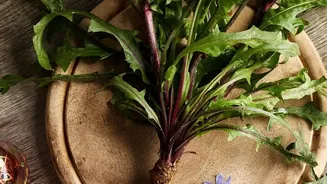
The practice of blending coffee with chicory is steeped in history, born from necessity and evolving into a distinct taste preference. Chicory, a root vegetable, has a flavour profile that, when roasted, mimics some of coffee's dark, nutty notes. Its use as a coffee extender began in Europe during times of coffee shortages and high prices. The tradition arrived in India and became deeply embedded, particularly in the South Indian filter coffee culture. Roasters found that adding chicory, which is significantly cheaper than coffee beans, made the product more affordable. Over time, many people grew to love the unique flavour it imparts—a certain sweetness, a fuller body, and a darker colour that balances the bitterness of robusta beans often used in these blends. Today, it's less about cost-cutting and more about delivering a specific, traditional taste profile.
From 'Adulterant' to 'Essential'
The role of chicory is a point of friendly debate among coffee lovers. For purists, anything other than 100% coffee is seen as a compromise or an adulterant used to dilute the real thing. They argue for the unadulterated taste of the coffee bean, with all its complex aromas and origin characteristics. However, for millions of others, especially fans of traditional filter 'kaapi', chicory is non-negotiable. It provides the thick decoction and caramel-like undertones that they feel are essential for a perfect cup, especially when mixed with milk and sugar. Some popular blends contain anywhere from 10% to over 40% chicory, a ratio that defines their signature taste. This new FSSAI rule doesn't take sides; instead, it empowers both camps to find exactly what they're looking for.
How to Be a Smarter Coffee Shopper
Armed with this new information, your shopping experience changes for the better. If you’re a coffee purist seeking maximum caffeine and the pure flavour of the bean, you can now easily spot and avoid blends with high chicory content. Look for packs labelled '100% Coffee' or those with a very low chicory percentage. If you love the traditional, strong, and slightly sweet taste of South Indian filter coffee, you can now compare brands to find the exact ratio you prefer. A higher chicory content (such as 30-40%) will likely give you a thicker, darker, and less bitter cup. For those watching their caffeine intake, a higher chicory percentage is also a benefit, as chicory is naturally caffeine-free. Ultimately, the label turns you into an informed connoisseur of your own taste.
The Bigger Picture for Your Brew
This move is part of a broader push by FSSAI for greater transparency in food labelling across India. It acknowledges that consumers today are more curious and discerning about what they eat and drink. While the existing rules already state that any blend must contain at least 51% coffee, the front-of-pack percentage makes this information far more accessible. For manufacturers, it creates a level playing field where value is tied to transparency. Brands can now market their specific blends more effectively, whether they're highlighting the purity of 100% Arabica or the authentic taste of a traditional 70/30 coffee-chicory mix. This simple change elevates the conversation, moving it from a simple purchase to a conscious choice.