







The New Travel Lifecycle: From Pin to Post
The travel journey no longer begins with a brochure; it begins with a spark on social media, a saved pin, or a vlogger's recommendation on YouTube. For the modern Indian traveller, the entire experience is digitally managed. We use apps to find inspiration,
create AI-powered itineraries, book flights and hotels, navigate unfamiliar streets, and finally, share our experiences with a global audience. This complete reliance on technology means our digital habits—the apps we trust, the platforms we use, and our online savvy—directly shape the quality, cost, and smoothness of our trips. What was once a series of discrete actions like booking and navigating is now a continuous, interconnected digital loop.
Your Personal AI Travel Agent
The biggest game-changer in recent years has been the rise of Artificial Intelligence as a travel co-pilot. In India, a significant majority of travellers are now using or planning to use AI for their trips. These tools are moving beyond simple flight searches. They act as personalised agents, crafting detailed itineraries based on your budget, interests, and even the weather. Platforms like Booking.com, Expedia, and Kayak are integrating AI bots that can suggest hidden gems, summarize reviews, and troubleshoot disruptions in real-time. While most travellers still want the final say, AI is becoming indispensable for handling the heavy lifting of research and planning, making trips more tailored and less stressful.
The Contactless Revolution is Here to Stay
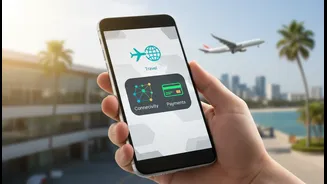
The global health crisis accelerated a trend that was already in motion: the demand for touch-free experiences. From airport check-ins to hotel payments, minimising physical contact is now a baseline expectation. Airports have invested heavily in biometric gates for self-boarding using facial recognition, digital health passports, and automated bag drops. In India, the widespread adoption of UPI has made contactless payments second nature, extending seamlessly to travel. This habit isn't just about hygiene; it's about efficiency. It means shorter queues, faster processing, and giving travellers more control over their journey, a habit that is unlikely to fade.
Trust in the Crowd: The Power of Online Reviews
For Indian tourists, the word of a fellow traveller often carries more weight than a glossy advertisement. Online reviews on platforms like Google Travel and TripAdvisor have become a crucial resource, influencing decisions on everything from heritage site visits to hotel stays. This reliance on user-generated content means our habit of 'checking the reviews' is more powerful than ever. Businesses with a strong, positive online reputation gain trust and visibility, while negative feedback, addressed effectively, can also provide valuable insights. In essence, our collective digital feedback is a constantly evolving, crowd-sourced travel guide that holds businesses accountable and helps fellow travellers make better choices.
The Rise of the Workation and the Digital Nomad
The new flexibility of remote work has blurred the lines between work and leisure, giving rise to the 'workation' and the digital nomad lifestyle. A large percentage of Indian travellers now plan to combine work with their trips, spending weeks or even months working from different locations. This has created a new set of digital habits. Reliable, high-speed Wi-Fi has become a non-negotiable amenity. Destinations like Goa, Manali, and Udaipur are becoming popular hubs, offering a mix of affordable living, co-working spaces, and a strong sense of community for remote workers. Tech that supports this lifestyle—from co-living apps to mobile payment systems—is essential.
Making Sustainable Choices Through Tech
As awareness about the environmental impact of travel grows, a new digital habit is emerging: using technology to travel more sustainably. A new generation of apps is helping eco-conscious travellers make better choices. Apps like MyClimate and Earth Hero help you calculate and offset your carbon footprint. Others, like FairTrip and BookDifferent, guide you towards eco-friendly accommodations and businesses that support local communities. While still a developing habit, the ability to use our devices to reduce our environmental impact adds another important layer to why our digital choices matter.