






The Spark: Geopolitics and Crude Oil
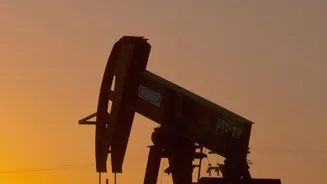
The chain reaction begins with crude oil, the raw material for petrol and diesel. A significant portion of the world's oil comes from the Middle East, a region often marked by geopolitical instability. Any conflict, supply cut announcement by oil-producing
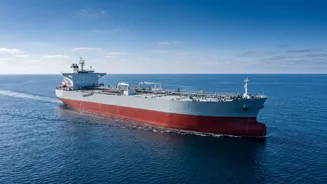
nations, or disruption to key shipping routes like the Strait of Hormuz can send global crude oil prices soaring. Because India imports over 85% of its crude oil needs, it is highly vulnerable to these international price swings. A surge in the global benchmark, Brent crude, almost immediately translates into a higher import bill for the country.
The Currency Complication
The next step in the journey involves the foreign exchange market. All crude oil is traded globally in U.S. dollars. When India buys oil, it must pay in dollars. If the Indian Rupee weakens against the dollar, it means we need to spend more rupees for the same amount of dollars. This amplifies the cost. A simultaneous rise in crude prices and a fall in the rupee's value creates a painful double impact, making our oil imports significantly more expensive in rupee terms, even before the oil reaches our shores.
The Domestic Leg: Refineries and Taxes
Once the imported crude oil arrives in India, it is sent to refineries to be processed into finished products like petrol and diesel. After the refining cost, several other components are added. This is where government policy plays a massive role. Both the Central Government and State Governments levy taxes on fuel. These taxes, including Central Excise Duty and State-level Value Added Tax (VAT), form a substantial portion of the final retail price you pay at the pump. This is why fuel prices can differ significantly from one state to another and why, even when global crude prices fall, retail prices in India might not drop proportionally.
The Diesel Effect: Powering the Economy
While rising petrol prices hit commuters, the real economic shock travels through diesel. Diesel is the lifeblood of the Indian economy. It powers the trucks that transport virtually everything, from factory goods to fresh produce. It also runs tractors for farming, irrigation pumps, and harvesting equipment. When diesel prices rise, the cost of transporting goods across the country increases. Transport associations often introduce a 'fuel surcharge', passing the higher cost directly to their customers—the producers and distributors of goods.
The Final Mile: Your Grocery Bill
This is the final and most tangible step. The increased cost of transportation is passed down the supply chain. The farmer who grew your vegetables might not be earning more, but the cost to get that produce from the farm to the wholesale market (mandi) and then to your local grocery store has gone up. Wholesalers and retailers, facing higher logistics costs, increase their prices to protect their margins. The result is that you end up paying more for daily essentials like vegetables, milk, grains, and other packaged goods. This entire journey—from a conflict in the Gulf to the price tag on a kilogram of onions—is how a global oil price shock directly impacts your household budget.