



The Great Himalayan Rain Shadow
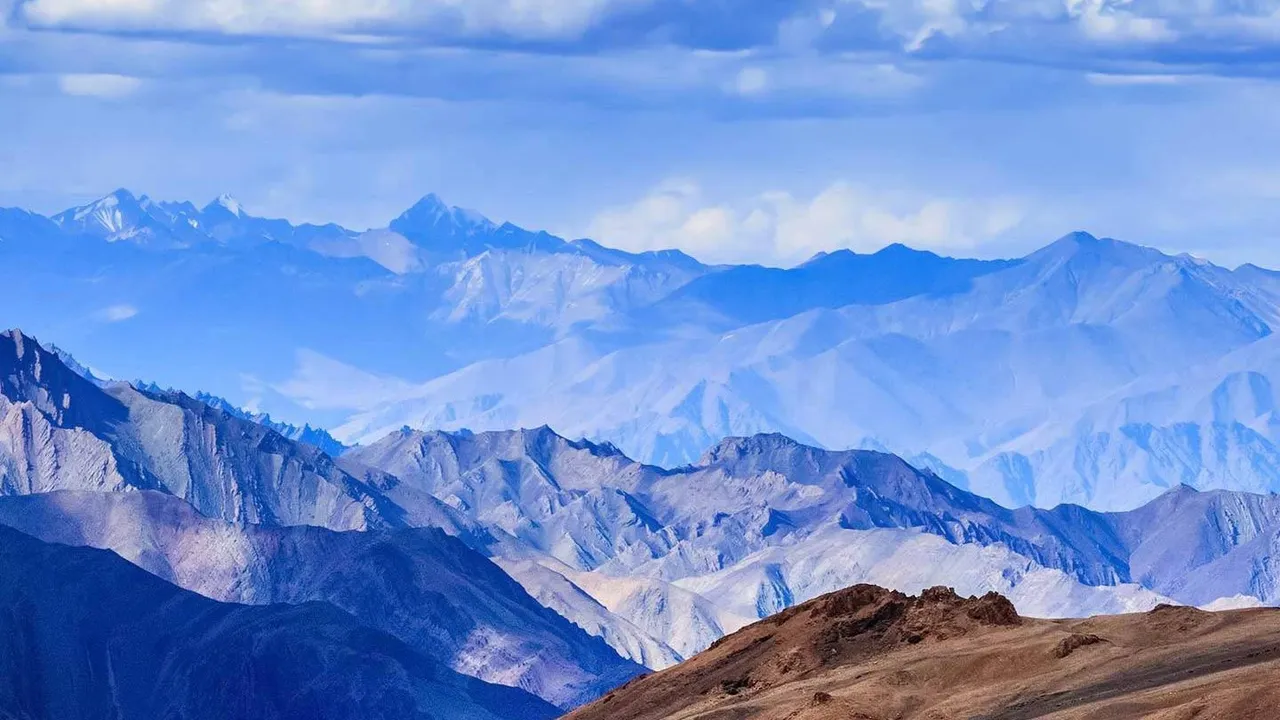
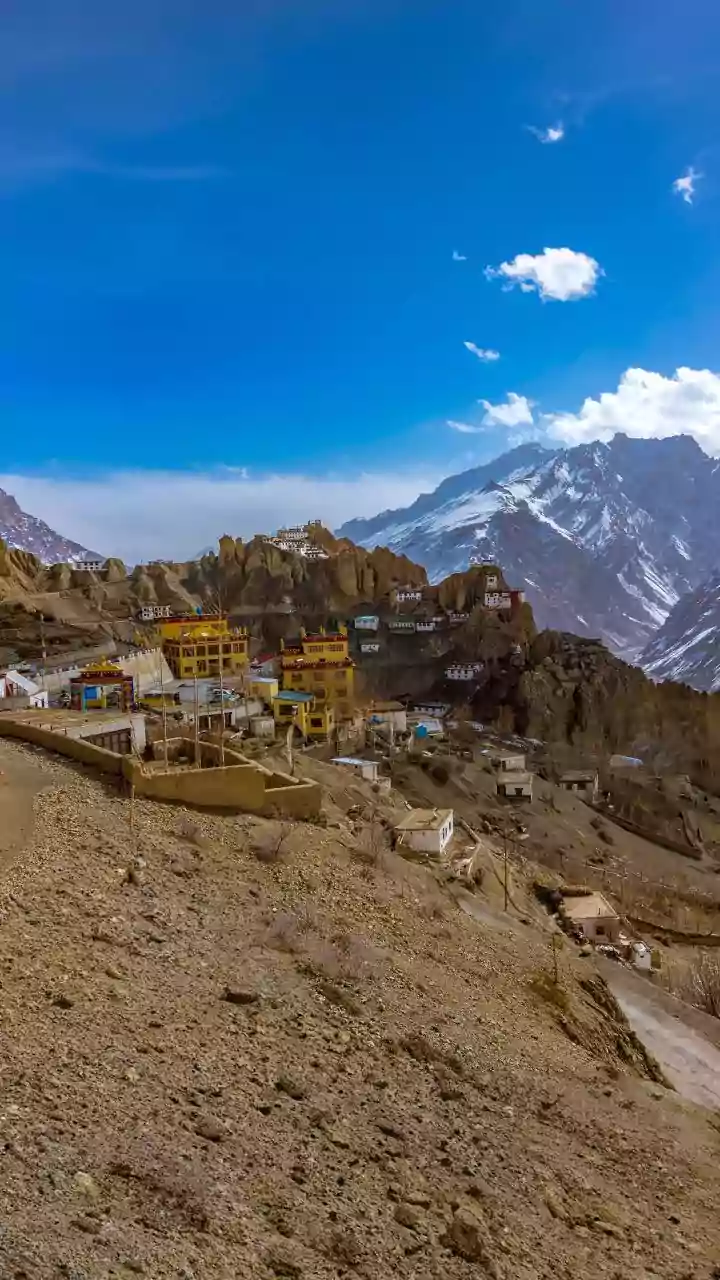
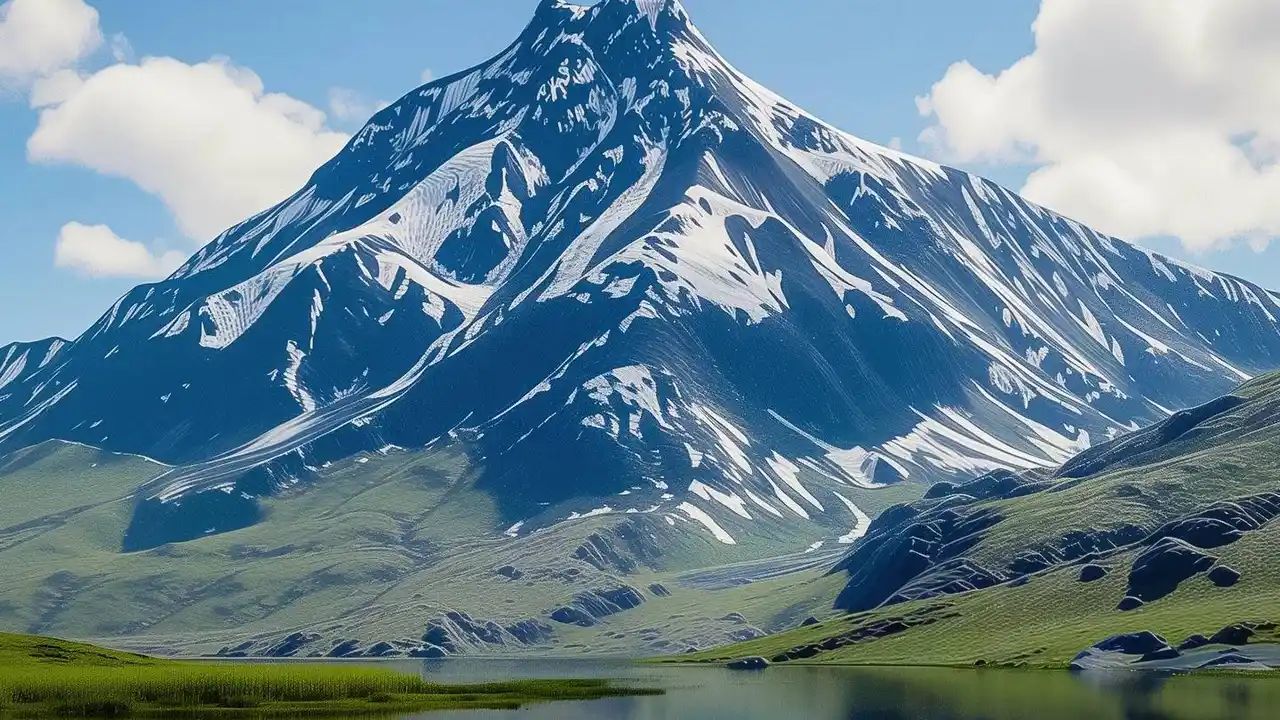
The secret to Ladakh's dry summers lies in its geography. Nestled between the towering Himalayan and Karakoram mountain ranges, Ladakh is located in a rain shadow zone. The massive Himalayas act as a barrier, blocking the moisture-laden monsoon clouds
that sweep in from the Indian Ocean. These clouds exhaust their rain on the southern slopes of the mountains, leaving the air that passes over to Ladakh arid and dry. While the rest of the country experiences heavy downpours, Ladakh enjoys a climate defined by clear blue skies, bright sunshine, and only occasional, light showers, making it an ideal travel destination during these months.
A Landscape of Vivid Contrasts
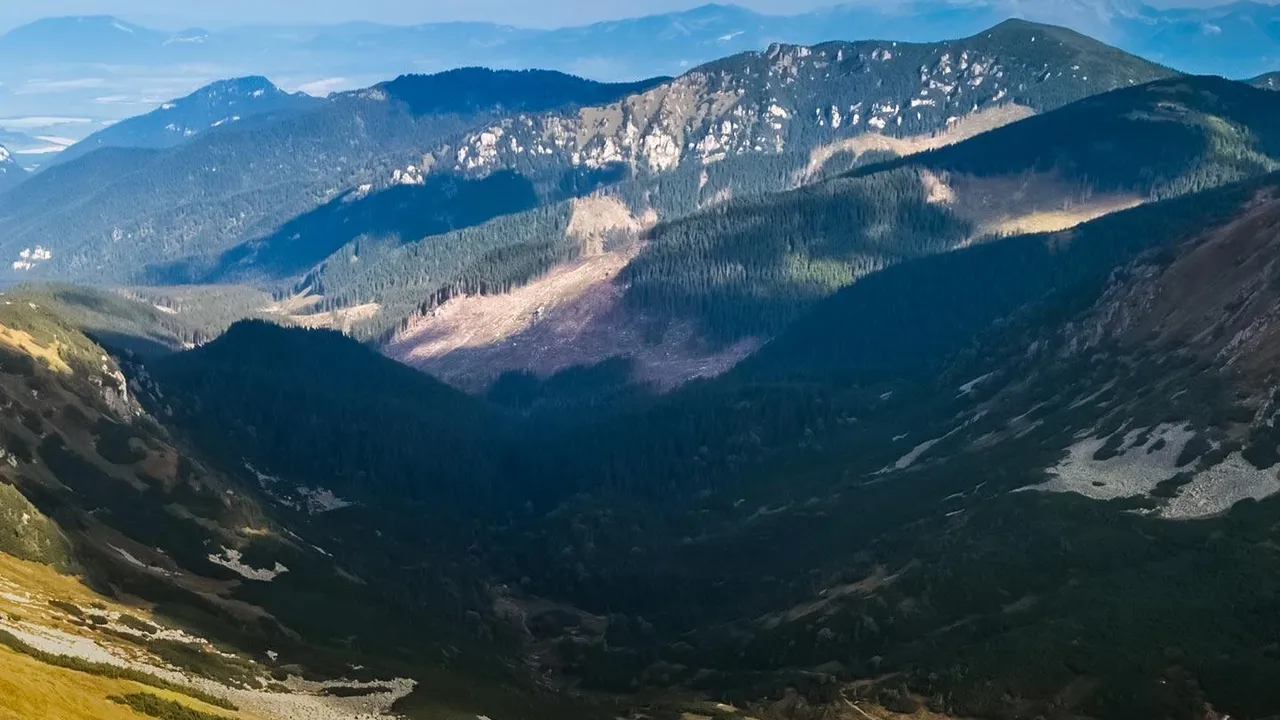
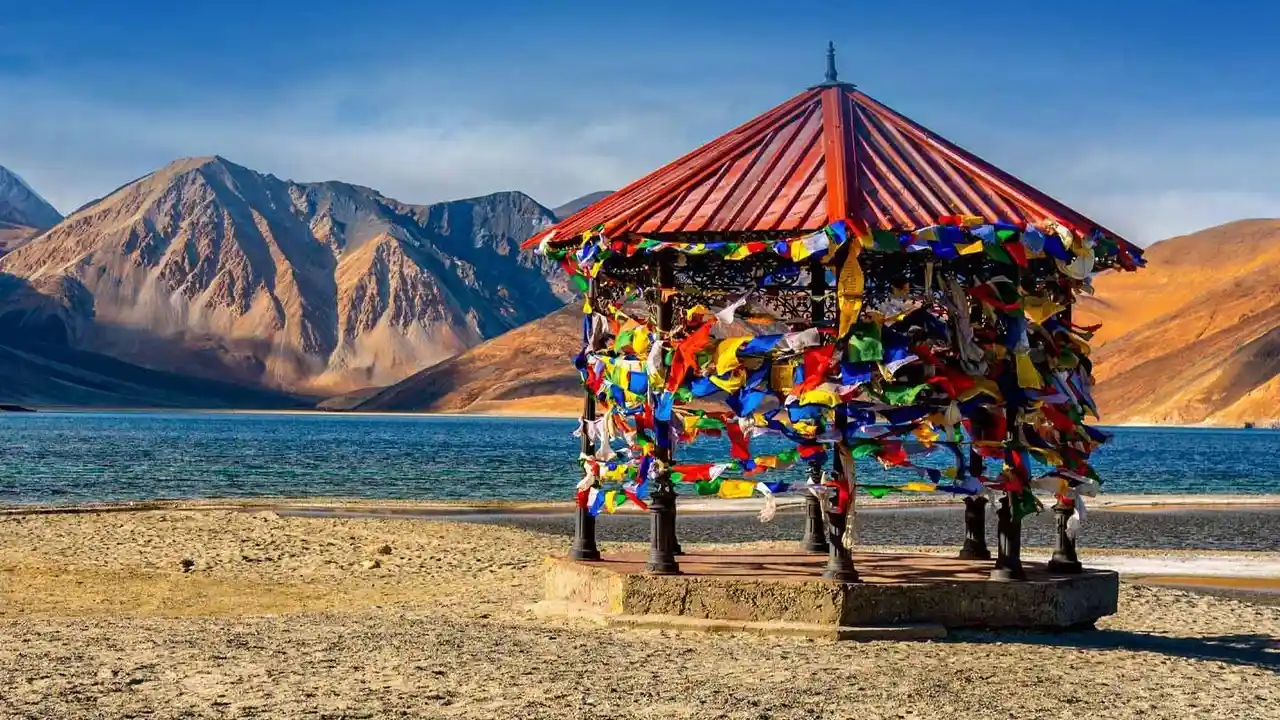
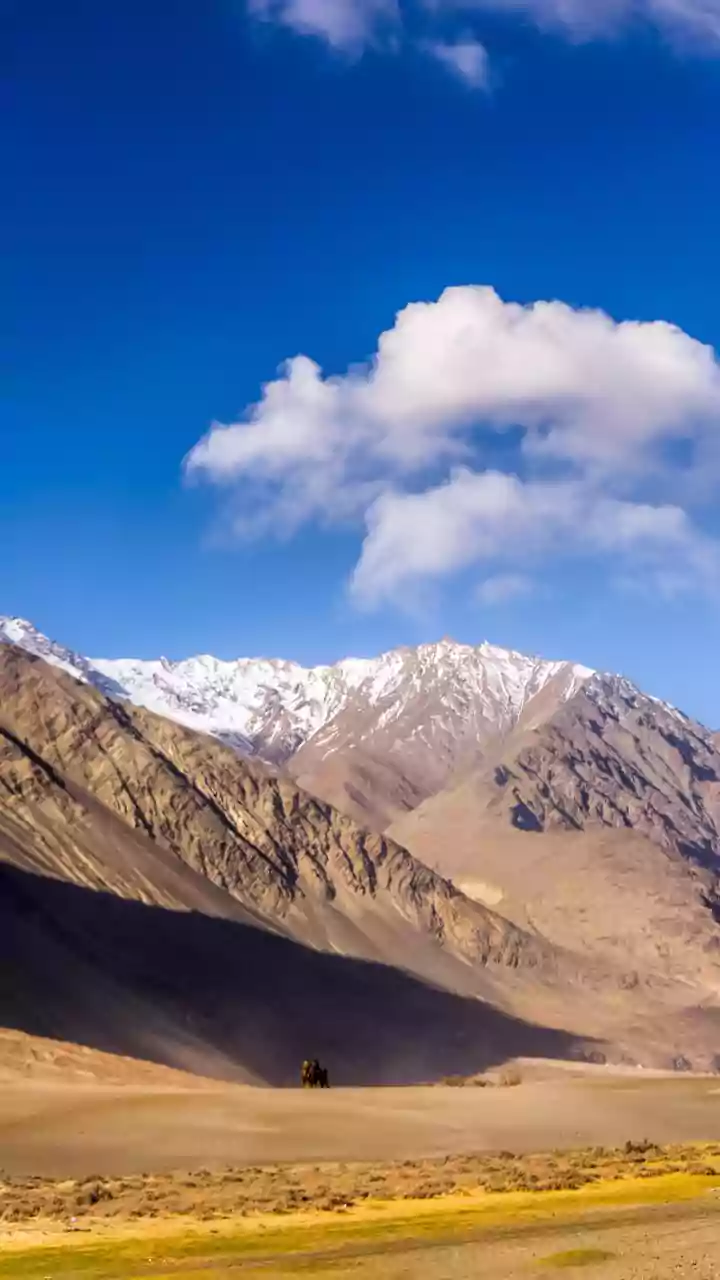
The monsoon months are when Ladakh’s stark beauty is at its most accessible and vibrant. With daytime temperatures in Leh and the Nubra Valley hovering between a pleasant 20°C and 30°C, conditions are perfect for exploration. This is the season when the high passes are clear of snow, unlocking the region's most iconic sights. Picture driving through dramatic mountainscapes to witness the surreal, shifting blues of Pangong Tso, a high-altitude lake that stretches to the horizon. Or journey to the Nubra Valley, where you can find sand dunes nestled between snow-capped peaks and ride the famous double-humped Bactrian camels. The landscape, washed clean by the minimal precipitation it does receive, offers unparalleled clarity for photography and sightseeing.
Adventures Under the Sun
Beyond the breathtaking drives, Ladakh in the monsoon season is an adventurer’s playground. The Zanskar and Indus rivers swell with glacial meltwater, offering thrilling white-water rafting opportunities for both beginners and experts. Trekkers can explore stunning routes like the Markha Valley, which becomes more accessible during this period. The region is also dotted with ancient Buddhist monasteries, such as Thiksey, Hemis, and Diskit, perched dramatically on hilltops. These tranquil centres of culture are fully accessible and offer a peaceful counterpoint to the more adrenaline-fueled activities. The roads to nearly all major tourist destinations, from Tso Moriri lake to Turtuk village, remain open and busy.
The Crucial Rule: Acclimatise First
While the weather is welcoming, the altitude is not to be taken lightly. Leh sits at an elevation of over 3,500 metres (11,500 feet), where the oxygen levels are significantly lower than at sea level. The single most important rule for a safe and enjoyable trip to Ladakh is acclimatisation, especially if you arrive by air. Upon landing in Leh, you must dedicate the first 24 to 48 hours to complete rest. This means no strenuous activity, no immediate trips to high passes, and no sightseeing. Allow your body to adjust by staying hydrated—drinking three to four litres of water daily is recommended—and eating light meals. Ignoring this can lead to Acute Mountain Sickness (AMS), which can quickly ruin your trip.
Planning Your Monsoon-Proof Trip
The most reliable way to reach Ladakh during the monsoon is by flying directly into Leh's Kushok Bakula Rimpochee Airport. While the road journeys from Manali and Srinagar are epic, the highways pass through regions that receive heavy rainfall, making them prone to landslides and delays. If you choose to drive, build at least two to three buffer days into your itinerary to account for potential roadblocks. When packing, think in layers. You’ll need light clothes for sunny days, but also warm jackets for the surprisingly cold nights and high passes. A waterproof jacket is useful for the occasional shower or windy conditions. Due to the thin atmosphere and strong sun, sunscreen, sunglasses, and a hat are absolutely essential.