


The Data Behind the Destination
A new report from travel-search leader Skyscanner confirms a major shift in how people explore India. The India Culture Travel Index, released in late July 2026, shows that 67% of Indian travellers now plan trips around cultural experiences like heritage
sites, food, and festivals. More revealingly, 72% said they would plan a holiday specifically to attend a major festival like Durga Puja or Ganesh Chaturthi. This trend isn't just about showing up for the party; it's about building an entire trip around these 'once-in-a-year' experiences. The data highlights a move away from simple sightseeing toward more immersive, meaningful travel. This surge in interest means more crowds and higher demand, making prior research more valuable than ever.
Beyond the Big-Ticket Festivals
While iconic celebrations like Diwali and Holi attract global attention, the index points to a growing interest in regional and tier-two city experiences. This is where research pays dividends. Planning a trip around a lesser-known festival, like Kerala's Onam or Nagaland's Hornbill Festival, can offer a more intimate and authentic cultural immersion. These events are often less crowded with international tourists, providing a better opportunity to connect with local traditions. Thorough research helps uncover these gems, aligning your visit with unique local calendars that offer a different flavour of India's incredible diversity.
The Logistics of Celebration
The most important tip from experienced festival-goers in India is to plan ahead. During major festivals, transportation and accommodation prices can skyrocket, and availability plummets. Booking flights, trains, and hotels well in advance is absolutely critical. Research should also cover local logistics. Will roads be closed for processions? Will public transport be operating on a limited schedule? For example, during Diwali in Varanasi, the ghats are spectacular but also intensely crowded, which affects all movement in the area. Knowing these details allows you to build a flexible itinerary that accounts for potential delays and ensures you have a comfortable place to rest.
Cultural Etiquette and Respectful Participation
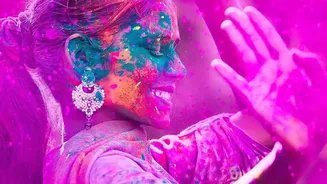
Participating in a festival is a privilege, and research is key to doing it respectfully. This includes understanding the dress code; modest attire is often appropriate, and for festivals like Holi, wearing old clothes you don't mind discarding is a practical necessity. It’s also vital to learn about local customs. For example, always ask for permission before taking photographs of people, especially during religious ceremonies. Engaging respectfully not only enriches your own experience but also fosters a positive interaction with the host community. It's the difference between being a passive observer and a welcome participant in the celebration.
Timing Is More Than Just the Date
Many Indian festival dates are based on lunar or local calendars, meaning they change each year. Verifying the exact dates for the year you plan to travel is a basic first step. Beyond that, smart research involves understanding the festival's timeline. The main event might be on one day, but celebrations, preparations, and related rituals can span several days before and after. Arriving a day or two early can allow you to witness the build-up and local excitement, which is often as fascinating as the peak celebration itself. This deeper understanding of the festival's rhythm transforms a brief event into a more comprehensive cultural experience.