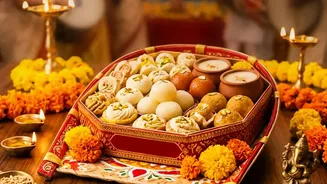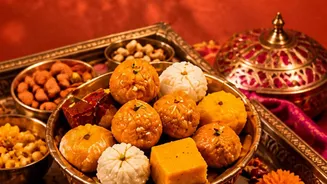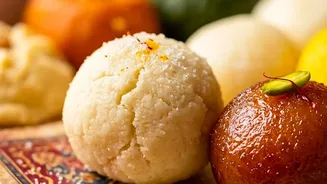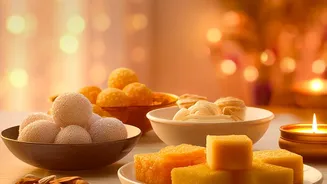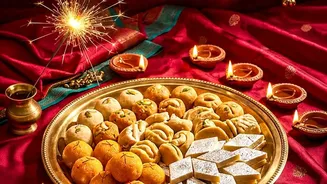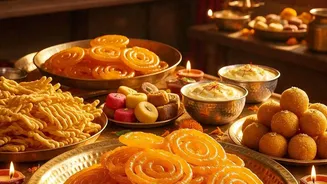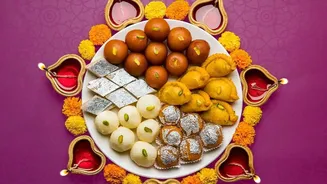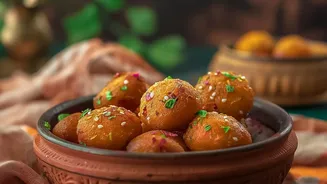


Diwali is a time of joy, light, and delicious food, but the preparations can be demanding. To save time and reduce stress during the festival, preparing sweets in advance is a brilliant strategy. Here’s how you can do it smartly.
The Golden Rule: Low Moisture is Key
The secret to make-ahead
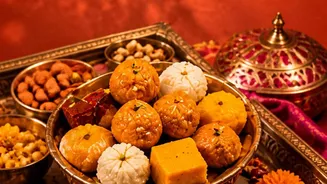
sweets lies in their ingredients. Sweets with low moisture content, primarily those made with roasted flours, ghee, nuts, and sugar, have a naturally longer shelf life. Sugar and ghee act as natural preservatives, slowing down spoilage. In contrast, milk or khoya-based sweets like Kalakand or milk peda are high in moisture and should be made fresh, as they spoil within a few days even when refrigerated. When preparing your Diwali menu, focus on dry sweets that can be stored at room temperature in airtight containers. This approach ensures you have a ready supply of treats without the last-minute rush.
Ladoos: The Reliable Festive Staple
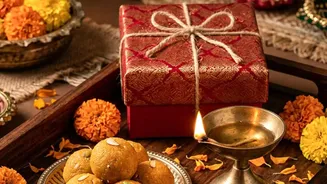
Ladoos are perhaps the most popular and versatile make-ahead Diwali sweet. Besan Ladoo, made from roasted gram flour, ghee, and sugar, can last for two to four weeks if stored correctly in an airtight container. The key is to roast the besan thoroughly until it releases a nutty aroma, which removes moisture and enhances flavour. Similarly, Atta Ladoo and Rava (semolina) Ladoo also have a good shelf life of around two to three weeks. Coconut Ladoos made with desiccated coconut can also be prepared in advance, though their shelf life is slightly shorter, typically around one to two weeks. For all ladoos, ensure they cool completely before storing to prevent any condensation from forming in the container.
Barfis and Nut-Based Sweets
Nut-based sweets are excellent candidates for advance preparation. Kaju Katli (cashew fudge) and Badam Barfi (almond fudge) are made with nut pastes and sugar syrup cooked to a dry consistency. This process minimizes moisture, allowing them to be stored for up to a week at room temperature, and even longer in the refrigerator. Coconut Barfi is another fantastic option. Recipes using condensed milk are quick and can be stored in the fridge for up to two weeks, or even frozen for a month. When making these, pressing the mixture firmly into the tray and allowing it to cool completely before cutting ensures clean edges and better storage.
Crispy and Fried Delights
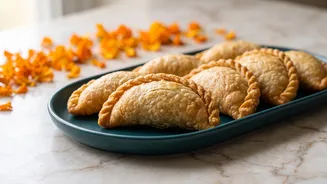
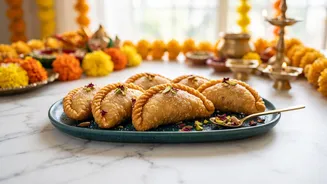
Fried sweets with a dry texture are perfect for making ahead. Shankarpali, a diamond_shaped fried cookie from Maharashtra, is made from a stiff dough of flour, ghee, and sugar. Once fried to a crisp, these can last for three to four weeks in an airtight tin. Similarly, Gujiya, the crescent_shaped pastry filled with khoya and nuts, can also be prepared for a longer shelf life. The trick is to ensure the filling is dry; roast the khoya and semolina well to remove all moisture before adding sugar and nuts. After frying, let the gujiyas cool completely before storing them in an airtight container to maintain their crispness for up to 10_15 days.
Proper Storage is Everything
How you store your sweets is just as important as how you make them. Always use clean, dry, and airtight containers, preferably made of glass or stainless steel, as they don't react with the food. Store different types of sweets in separate containers to prevent their flavours and aromas from mixing. For dry sweets like ladoos and shankarpali, a cool, dry place away from direct sunlight is ideal. Avoid refrigerating them unless necessary, as it can harden the ghee and dull the texture. For barfis or sweets you plan to keep for more than a week, refrigeration is a good option, but let them come to room temperature for about 30 minutes before serving for the best taste and texture.