



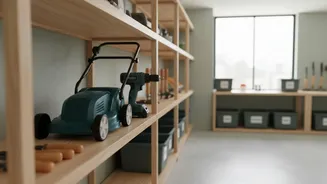

What is a Community Tool Library?
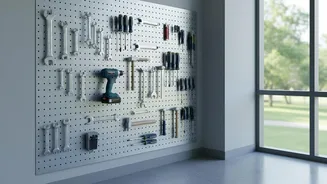
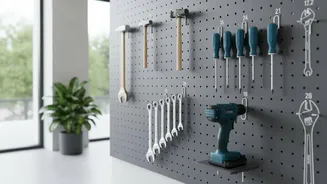
Imagine a library, but instead of borrowing books, you check out power drills, ladders, and lawnmowers. That’s the simple, powerful idea behind a tool-sharing network, often called a 'Library of Things'. It’s a system where residents of a housing society
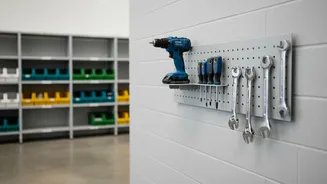
or neighbourhood pool their resources, creating a shared inventory of tools and equipment that anyone in the community can borrow. This can range from an informal arrangement between a few neighbours to a more structured library with a dedicated space and a simple checkout process. The goal is to provide access to items people need occasionally without the burden of individual ownership, saving everyone money and valuable storage space in their homes.
The Obvious Wins: Saving Money and Space
The most immediate benefit of a tool-sharing network is financial. Many home improvement or repair tasks require specialised equipment that can be costly to buy for a single use. By sharing, residents avoid these purchases, significantly lowering the cost of maintaining their homes. Think about the high-pressure washer for cleaning the balcony once a year or the electric sander for a one-off furniture project. Sharing also addresses a major challenge of urban living: a lack of storage space. Instead of dozens of households each storing their own rarely-used ladder or drill, the community can store a few shared ones in a common area, decluttering individual homes.
Beyond Drills: What Can You Share?
While basic hand and power tools are the foundation of any tool library, the possibilities are much broader. Successful sharing networks often include a wide variety of items that are useful but not needed every day. This can include gardening equipment like lawnmowers and hedge trimmers, automotive tools for minor repairs, and cleaning equipment like carpet cleaners or steam cleaners. Some communities expand the concept to include kitchen gadgets like large food processors or ice cream makers, camping gear, board games, and even musical instruments. The inventory is typically driven by the community’s collective needs and what residents are willing to contribute.
Building Community, Not Just Shelves
Perhaps the most valuable, though less tangible, benefit is the strengthening of community bonds. The simple act of borrowing or lending a tool creates a positive interaction between neighbours, fostering trust and a sense of mutual support. These networks become more than just a resource; they are a catalyst for conversation and connection. Organisers note that sharing resources helps reduce isolation and builds a more resilient, collaborative neighbourhood where people look out for one another. This social capital is priceless, turning a block of apartments into a genuine community.
How to Start a Sharing Network in Your Society
Starting a tool library doesn't have to be complicated. You can begin small by simply talking to your immediate neighbours. Create a WhatsApp group or a shared online spreadsheet (like Google Sheets) to list available tools and manage requests. For a more formal setup, form a small committee within the housing society. The next steps are to take an inventory of tools residents are willing to share and identify a secure, common space for storage, like a portion of a bike room or storage area. Establishing clear rules for borrowing, returning, and handling damages is crucial for smooth operation. A simple sign-out sheet on a clipboard can track usage and ensure accountability.
Navigating the Practical Challenges
While the benefits are clear, running a shared resource comes with potential challenges. Wear and tear, accidental damage, and tools not being returned on time are common concerns. To manage this, many established tool libraries have clear guidelines and expectations for borrowers. Some implement a small annual membership fee or a refundable deposit system to cover maintenance and potential replacements. Clear labelling of all items with the owner's or society's name is also recommended. The key is to create a system that feels fair and transparent to all members, ensuring the long-term sustainability of the library.