
More Than Just Baked Earth
When we hear 'terracotta', we often picture rustic garden pots. But the current trend goes far beyond that. Upcycled terracotta involves creatively repurposing this humble material, giving it a second life. This isn't just about new items; it's about transforming
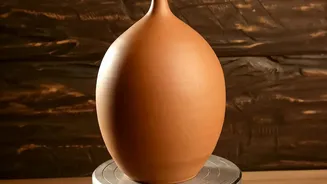
what already exists. Think of discarded industrial materials, broken pottery shards, or old clay vessels being cleverly redesigned into something new and beautiful. Brands and artisans are now transforming waste materials into stunning decor. This approach sits at the intersection of heritage craftsmanship and a modern, eco-conscious philosophy. By choosing upcycled items, you're not just buying a product; you're participating in a circular economy that reduces landfill waste and honours the material's entire lifecycle.
A Natural Answer to Urban Living
The appeal of terracotta in bustling metro cities is deeply psychological. After years of minimalist grey and white interiors, urban dwellers are craving warmth and a connection to nature. Terracotta, which literally means "baked earth," offers an immediate sense of calm and nostalgia. Its natural, reddish-brown hue provides a grounding contrast to the sleek surfaces of modern apartments. This trend is also part of a larger wellness shift, where the home is seen as a sanctuary. Incorporating natural, handcrafted elements is a way to make our living spaces feel more personal and soothing in a world that often feels fast-paced and mass-produced.
Beyond the Balcony Planter
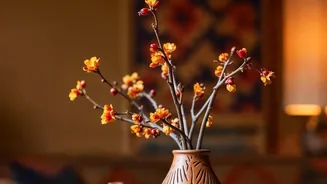
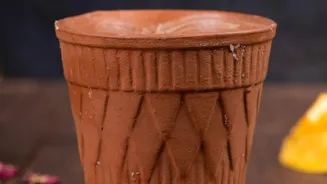
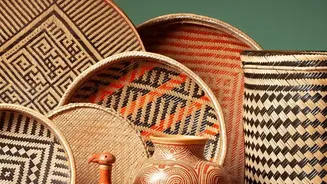
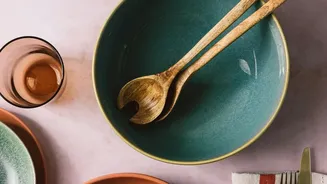
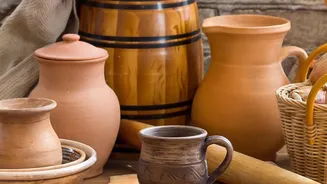
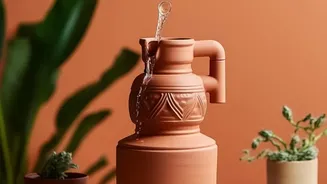
The versatility of upcycled terracotta is one of its biggest strengths. It’s appearing in homes in forms far more creative than the traditional planter. Artisans are crafting everything from pendant lights and lamp bases that cast a warm, cosy glow to unique wall hangings made from pottery fragments. In the kitchen, terracotta is being used for serveware like bowls and plates, bringing a touch of heritage to daily meals. We're also seeing it used as utensil holders, decorative platters, and even as a textural element in furniture. This move beyond the garden allows the material's earthy charm to permeate every corner of the home, proving its adaptability to contemporary needs.
Styling Terracotta in Modern Spaces
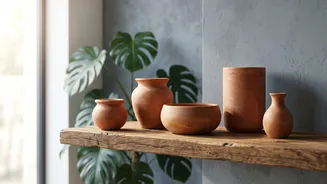
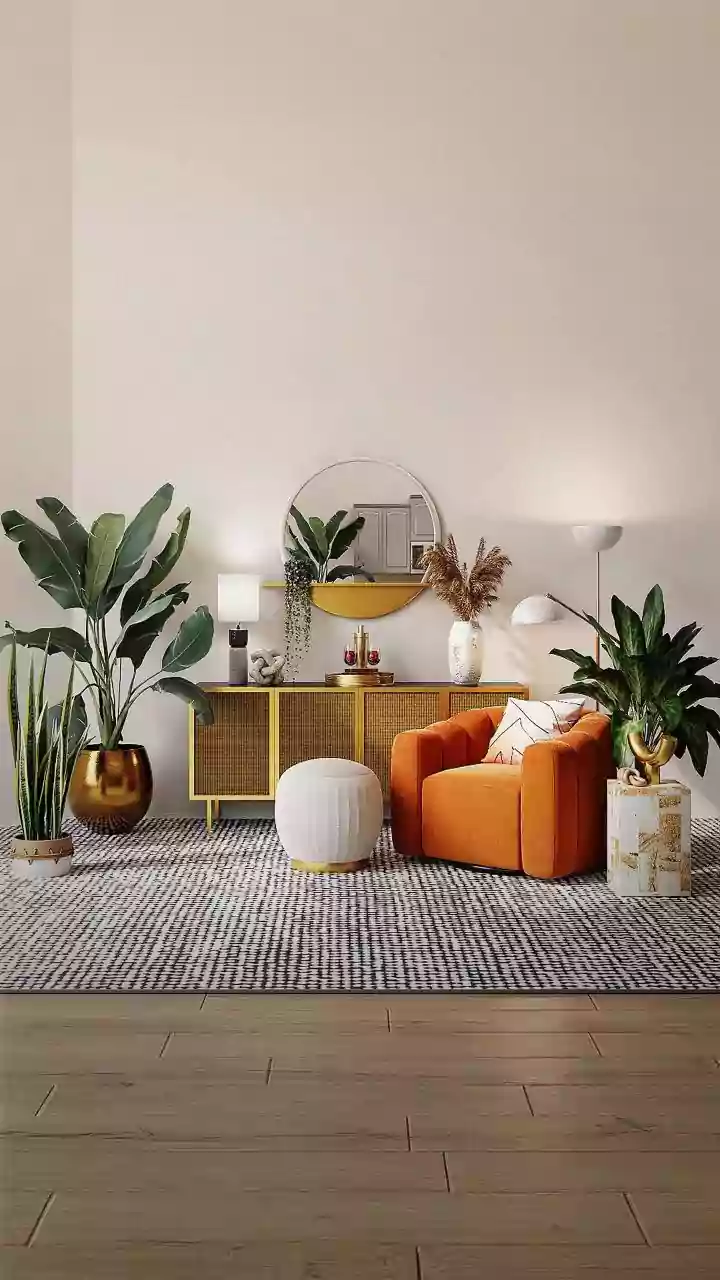
Integrating terracotta into a modern metro flat without making it look dated is easier than you might think. The key is balance. Pair terracotta pieces with a neutral colour palette of whites, beiges, and greys to let their warm tones stand out. Mix the rustic texture of clay with the clean lines of modern furniture to create a dynamic and sophisticated look. Grouping two or three terracotta items, like a vase, a planter, and a candle holder, can create a stylish focal point rather than scattering them randomly. Combining terracotta with natural materials like wood, cane, and linen textiles enhances its organic feel and creates a cohesive, layered interior.
A Conscious and Accessible Choice
Choosing upcycled terracotta is a statement of conscious consumerism. The material is inherently eco-friendly, made from natural clay and often fired at lower temperatures than other ceramics. The upcycling process takes this a step further by diverting waste and reducing the demand for new raw materials. Furthermore, this trend often supports local artisans and preserves traditional craft techniques passed down through generations. In a market saturated with mass-produced goods, handcrafted terracotta offers authenticity and a story. It remains one of the most accessible crafts in India, allowing you to bring a piece of sustainable, artisan-made beauty into your home without a hefty price tag.