






The End of Checklist Tourism
For decades, the mark of a successful trip was a frantic race against time—ticking off landmarks, hopping between cities, and collecting photos to prove you were there. But many are now questioning this approach, realising that a holiday filled with back-to-back
tours often feels more like a task list than a restorative break. This feeling, often dubbed 'vacation burnout', has sparked a quiet rebellion against the pressure to 'see it all'. Instead of returning home with a blur of rushed memories, travellers in 2026 are intentionally seeking something deeper and more personal.
What is Meaningful Travel?
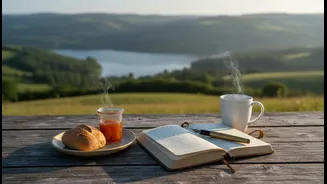
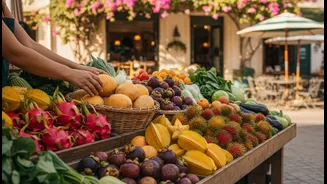
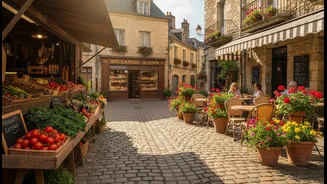
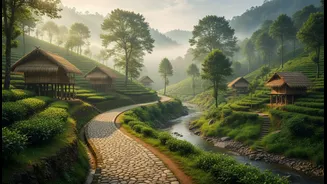
At its heart, this trend is about shifting from sightseeing to 'sightdoing'—from passive observation to active participation. Often called 'slow travel' or 'immersive travel', it’s a mindset that values quality over quantity. It means spending more time in fewer places, allowing you to connect with the local culture, people, and food on a more profound level. Instead of a two-day whirlwind tour of a capital city, a slow traveller might spend a week exploring one neighbourhood, learning the daily rhythms, frequenting local cafes, and discovering hidden gems not found in a guidebook. It’s about creating lasting memories, not just capturing fleeting moments.
Why We Crave Deeper Connection
Several factors are driving this change. Post-pandemic, many people are re-evaluating their priorities, seeking experiences that nourish the soul and offer personal growth. There’s a growing desire to escape the constant digital noise of daily life and find moments of genuine presence and peace. This type of travel is also often more sustainable, as it encourages spending money at locally-owned businesses and using lower-carbon transport like trains or walking, which keeps more money within the community and reduces environmental impact. Ultimately, it fosters a richer cultural understanding, breaking down stereotypes and building human connections that a tour bus window simply cannot offer.
How to Plan a More Meaningful Trip
Embracing this philosophy doesn’t require a radical overhaul of your travel plans. It starts with small shifts in intention. Instead of asking “What are the top 10 sights?”, ask a local what they did last weekend. Build unstructured time into your itinerary, leaving room for spontaneity and unexpected discoveries. Focus on an experience rather than a place: learn a new skill like a local craft or cooking, volunteer for a cause you care about, or simply spend an entire afternoon in a park observing daily life. Choose accommodations that offer a sense of place, like a homestay or a small guesthouse, where you can interact with hosts and get a feel for local life.