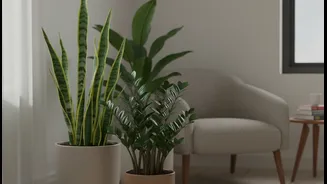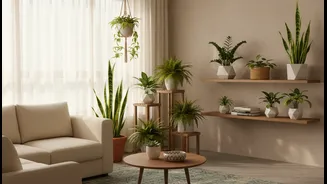




More Than Just a Touch of Green
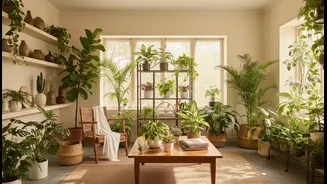
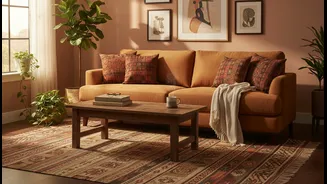
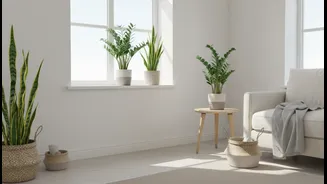
In the hustle of modern urban life, Indian homes are increasingly seeking a connection to nature. This goes beyond just a few potted plants on a windowsill. The current trend, known as biophilic design, is about creating living spaces that integrate natural
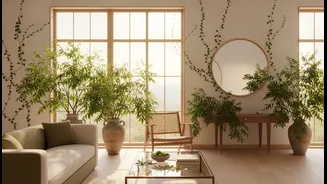
elements to improve our well-being. It’s a return to an old Indian tradition of living in harmony with nature, where plants are not just ornaments but active contributors to the home’s environment. This shift prioritises plants that are both beautiful and functional, offering benefits like cleaner air, a sense of calm, and even practical uses in the home, which is where neem and vines truly shine.
The Humble Neem’s New Indoor Life
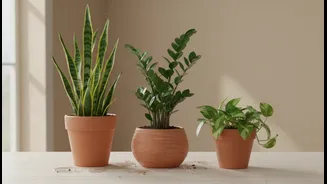
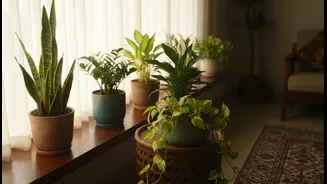
For generations, the neem tree has been a fixture in Indian life, revered for its immense medicinal and purifying properties. Traditionally planted in courtyards, its benefits are now being brought indoors. Growing a neem sapling in a pot is surprisingly manageable and offers a host of practical advantages. Its leaves are known to be natural insect repellents, and keeping a plant near a window can help ward off mosquitoes. Ayurveda has long celebrated its air-purifying qualities. To incorporate it into your decor, start with a young neem plant in a medium-sized terracotta pot with good drainage. Place it on a balcony or a windowsill where it can get plenty of bright sunlight. Its delicate, serrated leaves add a touch of lush, vibrant green, all while quietly working to make your home healthier.
Vines: Nature's Living Wallpaper
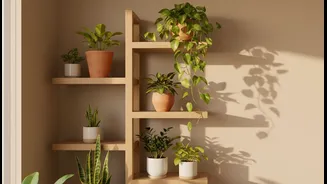
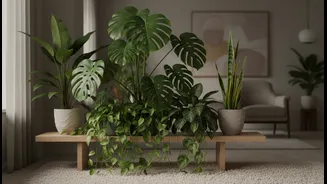
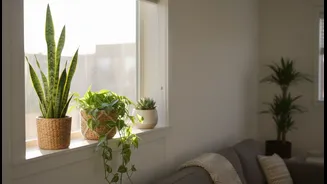
If you want to make a big impact with minimal floor space, climbing vines are the perfect solution. Plants like the ubiquitous Money Plant (Pothos) are incredibly resilient, thriving in various light conditions and forgiving even for novice gardeners. Their versatility is their greatest strength. You can let them cascade from a high shelf, train them to climb up a wall using small, clear hooks, or wrap them around a window frame or bookshelf. This creates a stunning ‘living wall’ effect that adds texture, dimension, and a dynamic sense of life to a room. Other beautiful options for Indian homes include the Rangoon Creeper (Madhumalti) for its fragrant, colour-changing flowers or the fast-growing Bengal Clock Vine.
Getting Started: Simple Styling and Care
Embracing this trend doesn’t require a complete overhaul. Start small. For a neem plant, choose a pot that is at least 12 inches in diameter to give it room to grow, and use a well-draining soil mix. Be careful not to overwater it; let the soil dry out between waterings. For vines, the styling possibilities are endless. To create a vine wall, use small, removable adhesive hooks to guide the stems in the pattern you desire. This method is renter-friendly and allows you to create intricate designs without damaging your walls. You can also weave in fairy lights for a magical evening glow. Most indoor vines like Pothos prefer their soil to be consistently moist but not waterlogged. Trim any yellowing leaves to keep the plant healthy and looking its best.