





What is Root Rot?
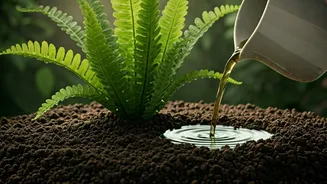
Root rot is a disease that occurs when a plant's roots are deprived of oxygen and begin to decay. This is most commonly caused by overwatering or poor drainage, which creates a waterlogged, low-oxygen environment perfect for fungi and bacteria to thrive.
As these pathogens multiply, they attack the roots, turning them from healthy, firm structures into soft, decaying matter. This decay prevents the plant from absorbing the water and nutrients it needs to survive, leading to a slow decline and, if left untreated, eventual death.
Reading the Warning Signs Above Ground
By the time you see symptoms on the leaves, the problem below ground is often well underway. The most common sign is a plant that appears wilted even though the soil is moist. This happens because the rotting roots can no longer effectively absorb water. Other tell-tale signs include yellowing or browning leaves, particularly on the lower parts of the plant, stunted growth, and a general failure to thrive. In some cases, you might even notice a foul, swampy odor coming from the soil, which is a clear indicator of decay.
How to Perform a Soil Check
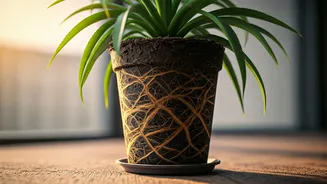
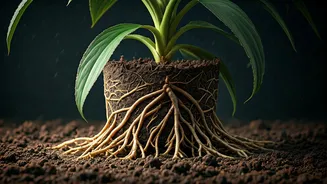
A visual inspection of the leaves isn't enough; you need to get your hands dirty. Gently slide the plant out of its pot to examine the root ball. Healthy roots should be firm and typically white or light tan in color. If you see roots that are dark brown or black, feel mushy or slimy to the touch, and fall apart easily, you are looking at root rot. The soil itself might also smell sour or rotten. This direct inspection is the only definitive way to confirm the presence of root rot and assess the extent of the damage.
An Ounce of Prevention
The best way to deal with root rot is to prevent it from ever starting. First and foremost, ensure your pots have adequate drainage holes. This is non-negotiable. Use a well-draining potting mix; you can improve standard soil by adding perlite or orchid bark to increase aeration. Most importantly, master your watering technique. Instead of watering on a strict schedule, check the soil first. A good rule of thumb is to stick your finger one to two inches into the soil; if it feels dry at that depth, it's time to water. After watering, always empty any excess water from the saucer.
Emergency Root Rescue
If you discover root rot, quick action can sometimes save the plant. Carefully remove the plant from its pot and wash away all the old soil from the roots. Using a clean, sterilized pair of scissors or shears, trim away all the dark, mushy, and rotting roots. Be thorough and cut back to healthy, white tissue. If you have to remove a significant portion of the roots, you may need to prune back some of the plant's leaves as well, so the smaller root system doesn't have to support as much foliage. Repot the plant in a clean pot with fresh, well-draining soil. Water lightly and give the plant time to recover before resuming a normal watering routine.